Sarjis Alam calls for equal Bangladesh-India ties and Sheikh Hasina's return
Sarjis Alam has emphasized maintaining normal ties with India based on mutual respect, equality, and sovereignty. He also urged New Delhi to return ousted leader Sheikh Hasina to face trial in Bangladesh.
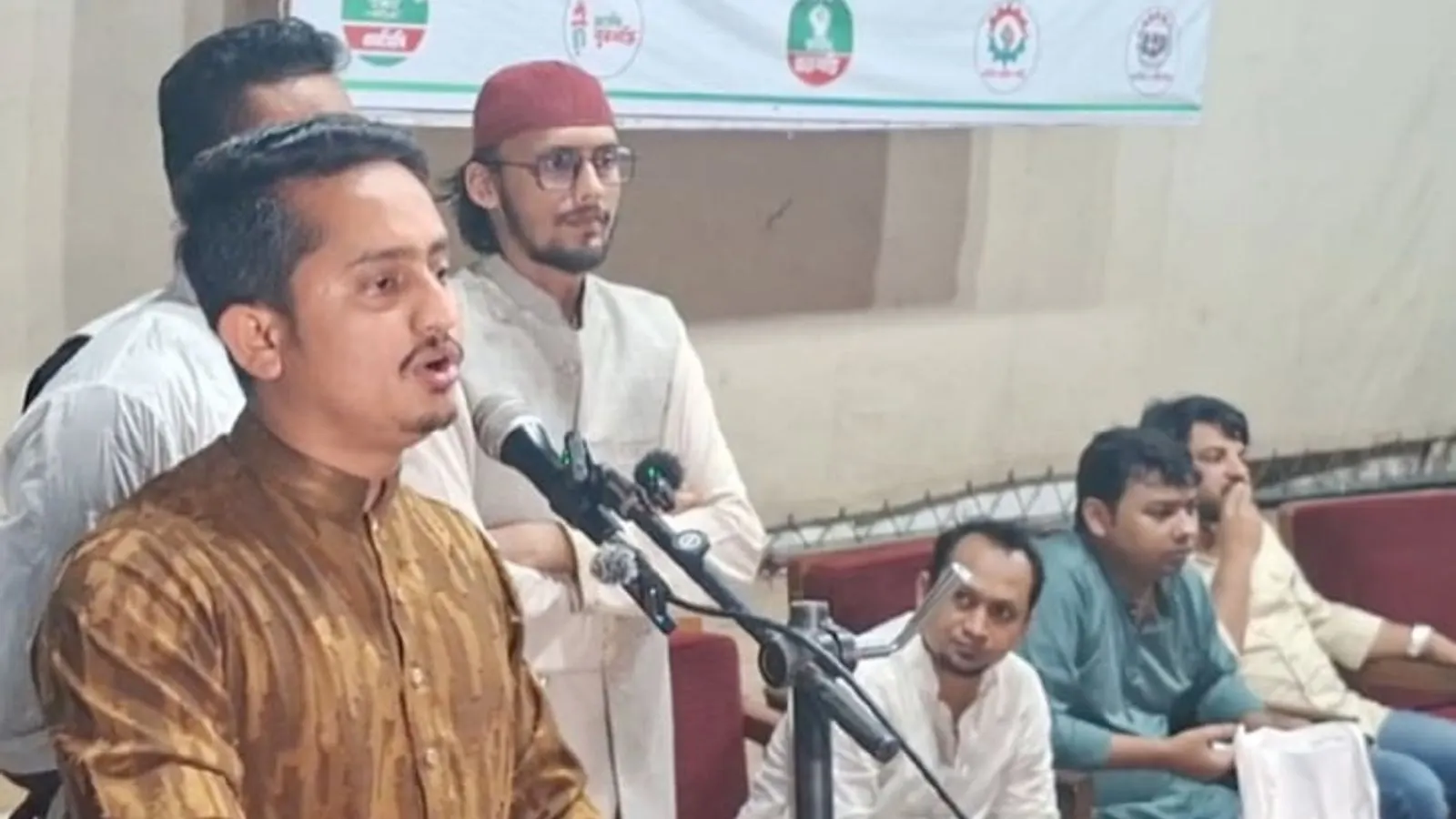
Sarjis Alam has stated that Bangladesh needs a normal and reciprocal relationship with India, emphasizing that such ties must be built on the foundations of dignity, justice, equality, and mutual respect for sovereignty. He made these remarks while discussing bilateral relations and calling for the return of former Prime Minister Sheikh Hasina to the country.
Addressing the diplomatic situation, Sarjis Alam noted that Sheikh Hasina, who is accused and facing the death penalty for genocide in Bangladesh, has been given shelter by India. He stated that the Bangladeshi side has urged India to return her to cooperate with the judicial process, adding that the accused in the Hadi murder case must also be extradited.
Commenting on foreign policy statements regarding leadership visits, Sarjis Alam criticized notions that Bangladeshi Prime Minister Tarique Rahman must visit India immediately or face consequences. He asserted that such remarks do not reflect respectful behavior toward an independent and sovereign state, rejecting any attempts at subordination.
Sarjis Alam expressed appreciation for the recent strong statements issued by the Ministry of Foreign Affairs of Bangladesh. However, he stressed that these official positions should not remain limited to verbal declarations alone but must also be reflected in practical actions and tangible statecraft.
Elaborating on the framework of future bilateral ties, Sarjis Alam reiterated that if India wishes to build relations based on equality, dignity, justice, and mutual interests, Bangladesh has no objections. Conversely, he warned that any attempt to forge relationships based on individuals, political parties, or subservience will not prove to be sustainable.
The event was attended by various prominent leaders from organizations including the National Citizen Party (NCP) and the Anti-Discrimination Student Movement, alongside figures such as Sarwar Tushar, SM Suja Uddin, Rifat Rashid, and Abu Baker Majumdar, who joined the discussions on national sovereignty and foreign policy.