Parliamentary Committee Seeks Details on 101 Climate Trust Projects
The parliamentary standing committee on the Ministry of Environment, Forest and Climate Change has demanded detailed information on 101 projects under the Climate Change Trust. It also recommended halting financing from Bangladesh Bank for illegal brick kilns.
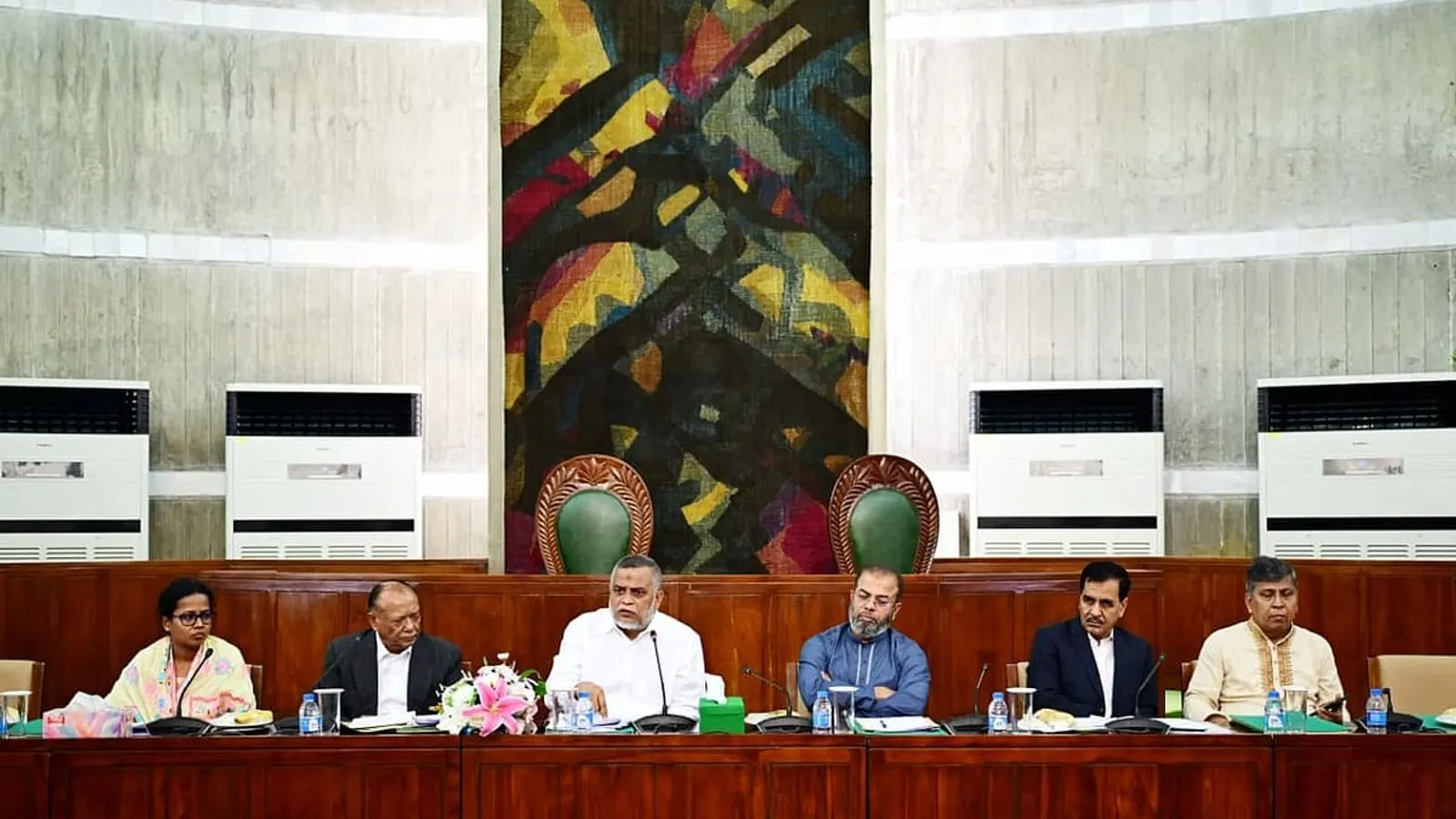
The parliamentary standing committee on the Ministry of Environment, Forest and Climate Change held its very first meeting on September 19, 2026, at the cabinet room of the Jatiya Sangsad Bhaban. The high-level session brought together key members of the national parliament to review crucial environmental and developmental policies, focusing heavily on financial accountability, climate project execution, and industrial pollution control measures across the country.
During the proceedings, the parliamentary committee officially demanded comprehensive data and detailed information regarding the 101 distinct projects currently being operated under the Climate Change Trust. Lawmakers emphasized the critical need for absolute transparency in how these climate-related initiatives are being implemented, monitored, and evaluated to ensure they genuinely benefit the environment and vulnerable communities.
In addition to examining current project data, the committee directed its strict attention toward historical financial records. Specifically, the parliamentary body formally asked for a detailed, comprehensive account of how all the funds allocated in favor of the ministry have been spent over the course of the past 16 years, scrutinizing the overall financial management and resource allocation strategies employed during that extended period.
Addressing the persistent problem of industrial pollution, the parliamentary standing committee issued a strong recommendation aimed at financial institutions. The committee specifically recommended that Bangladesh Bank immediately cut off and stop all forms of financing for illegal brick kilns operating throughout the country, thereby cutting off the financial lifeblood of environmentally damaging operations.
Furthermore, the Department of Environment received a direct, formal instruction from the committee to compile and publish a complete, thorough list encompassing both legal and illegal brick kilns nationwide. To foster sustainable urban development and reduce topsoil erosion, the parliamentary committee also recommended utilizing eco-friendly blocks instead of traditional bricks in all ongoing and future construction infrastructure projects.