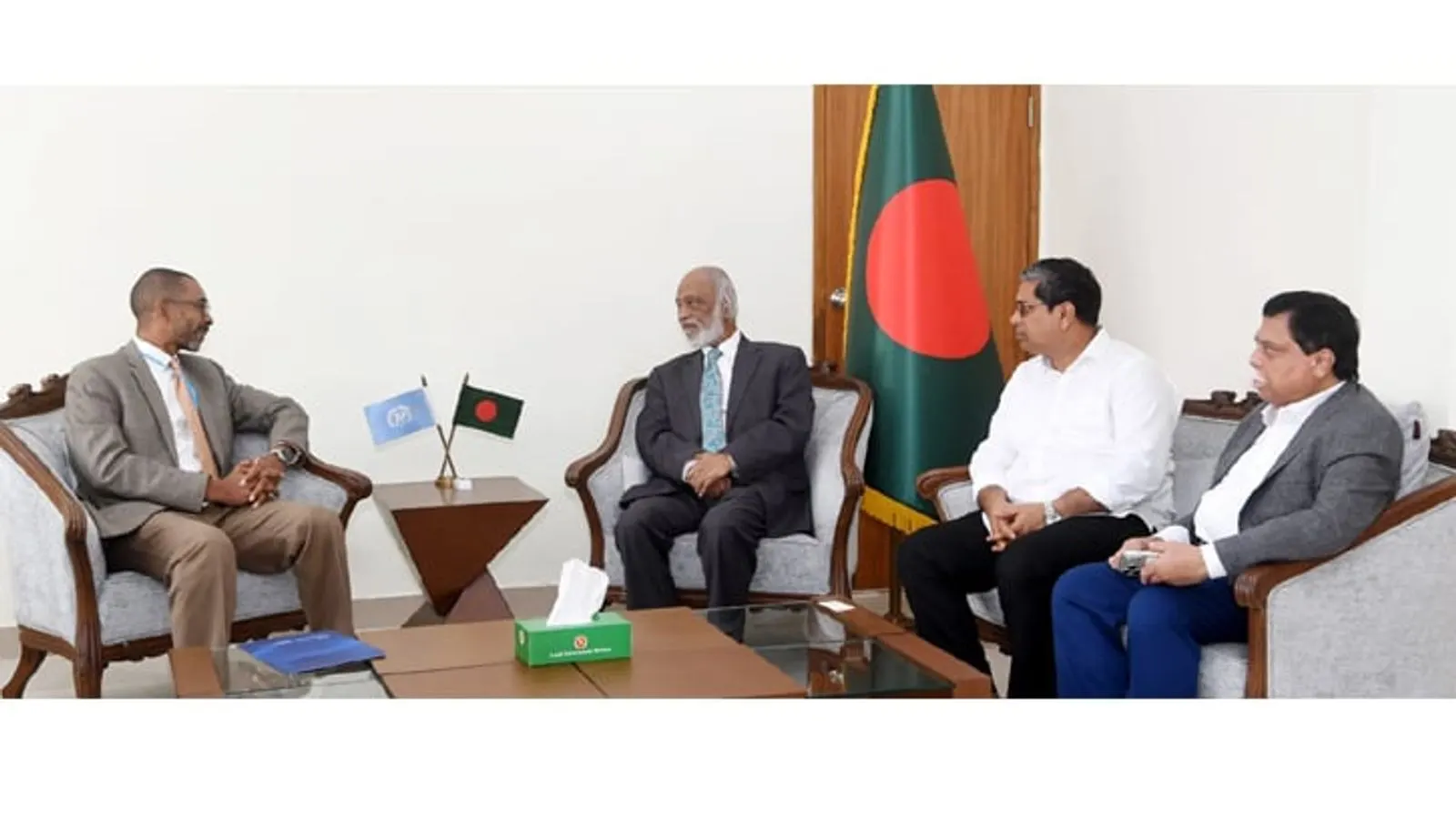

Dhaka River Pollution and Waste Management Review Meeting Held
Prime Minister Tarique Rahman chaired a high-level review meeting at the Bangladesh Secretariat on pollution control, waste removal, and circular waterway development for rivers surrounding Dhaka. The session focused on restoring navigability and addressing severe environmental degradation in the Buriganga, Turag, Dholeshwari, Balu, and Shitalakkhya rivers.
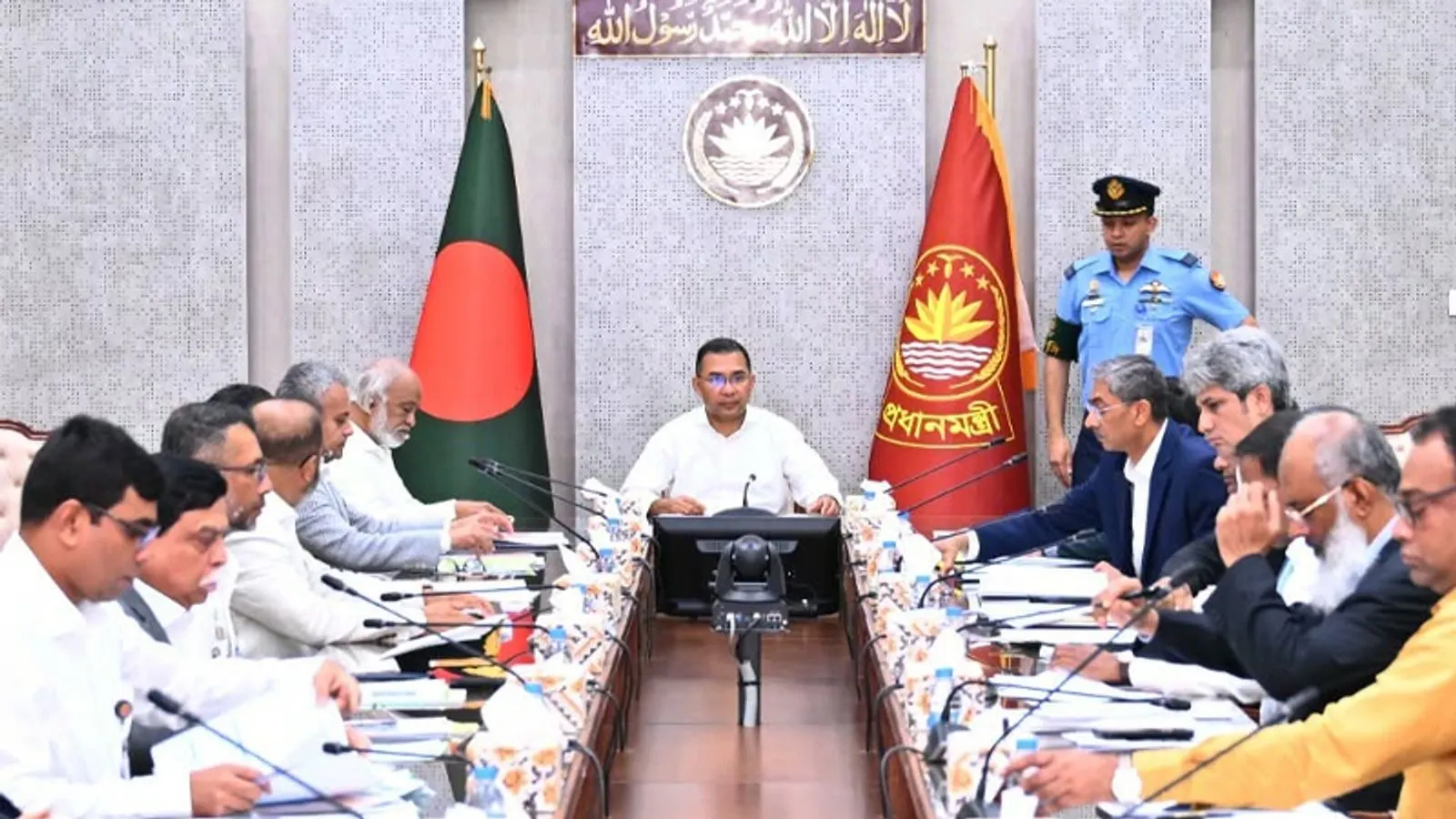
A high-level review meeting focused on pollution control, waste removal, and the development of circular waterways for the rivers surrounding Dhaka was held on September 6, 2025, at the Bangladesh Secretariat in Dhaka. Prime Minister Tarique Rahman presided over the crucial session, which brought together key government ministers, state ministers, and high-ranking officials to address the worsening environmental and ecological crisis facing the capital's vital waterways.
The comprehensive discussions during the meeting centered specifically on the Buriganga, Turag, Dholeshwari, Balu, and Shitalakkhya rivers, alongside all adjacent canals and drainage systems. Participants evaluated pressing strategies to effectively control ongoing pollution and restore the essential navigability of these water bodies, which have suffered from severe ecological degradation due to industrial discharge, municipal waste, and urban encroachment over many years.
Prime Minister Tarique Rahman emphasized the critical need for proactive environmental stewardship during the proceedings. Highlighting the collective responsibility required to safeguard the natural ecosystem, he stated: "We must try to leave behind a pollution-free river and a livable environment not only for ourselves but also for the next generation. For this, we should not wait only for government directives; everyone must work from their respective positions out of a sense of personal responsibility."
The high-profile gathering at the Bangladesh Secretariat included the Minister for Local Government, Rural Development and Cooperatives; the Minister of Environment, Forest and Climate Change; the Minister of Industries; the Minister of Water Resources; and the Minister of Shipping. In addition to these cabinet ministers, various state ministers and other senior government officials actively participated in the deliberations to coordinate cross-ministerial actions.
The collaborative framework of the review session underscored the involvement of multiple key administrative bodies, including the Ministry of Local Government, Rural Development and Cooperatives, the Ministry of Environment, Forest and Climate Change, the Ministry of Industries and Commerce, the Ministry of Water Resources, and the Ministry of Shipping. Furthermore, representatives from the Bangladesh Navy, the Dhaka City Corporation, the Narayanganj City Corporation, and the Gazipur City Corporation are integral to the broader institutional landscape addressing urban management in the region.
The administrative and political leadership present at the Bangladesh Secretariat also included notable figures such as Dr. Abdul Moyeen Khan, Abdul Awwal Mintoo, Khondkar Abdul Muktadir, Shahiduddin Chowdhury Annie, Sheikh Rabiul Alam, Mir Shahe Alam, Junaid Saki, Rajib Ahsan, Sheikh Faridul Islam, Dr. Saimum Parvez, A B M Abdus Sattar, and Abdullah-Al-Maksus. This diverse assembly reflected a broad scope of political and organizational engagement aimed at tackling the complex challenges of urban pollution and river management in Bangladesh.