Global Firefly Populations Face Extinction Risk From Habitat Loss and Light Pollution
Global firefly populations are facing significant threats, with roughly 20 percent of assessed species currently at risk of extinction. Researchers attribute this decline to habitat destruction, light pollution, pesticide use, climate change, and unmanaged tourism.
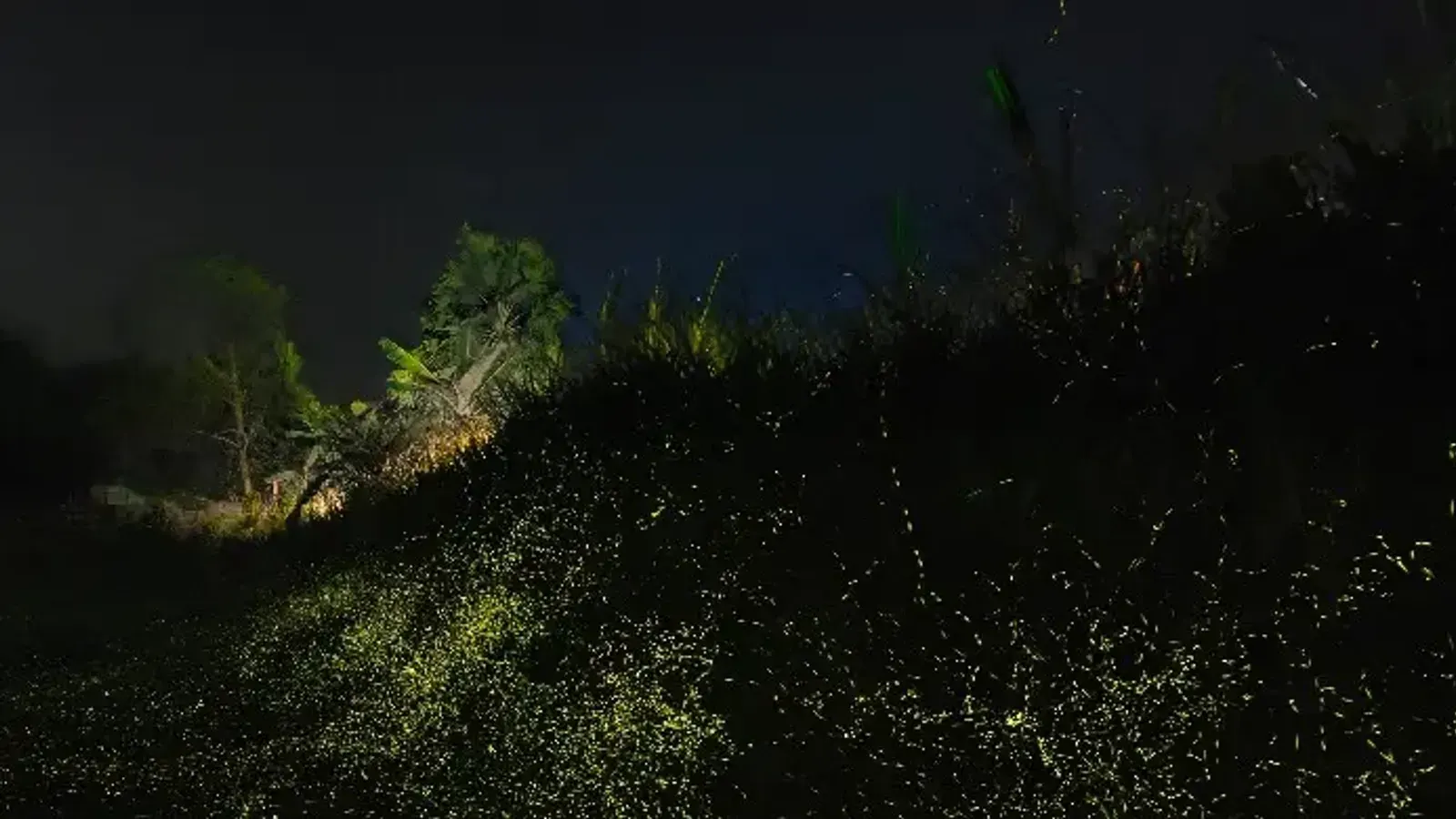
Global firefly populations are facing mounting pressures that threaten their survival across multiple regions worldwide. According to findings highlighted by international experts, approximately 20 percent of assessed firefly species are currently facing the risk of extinction. This growing environmental concern encompasses various locations globally, with specific references to countries such as Belgium, Malaysia, Japan, Taiwan, Thailand, the United States, and Mexico.
Scientific understanding of the broader family of fireflies remains limited relative to the sheer scale of biodiversity. Out of the more than 2,600 distinct firefly species known to exist across the Earth, researchers have only managed to evaluate the conservation status of about 150 species. This means the vast majority of firefly species have not yet been formally assessed for their risk of extinction.
Experts have identified several primary drivers behind the ongoing decline in firefly numbers. The deterioration and destruction of natural habitats, combined with the excessive use of chemical pesticides and ongoing shifts in the global climate, have severely impacted these bioluminescent insects. Additionally, unmanaged and heavy tourism places further stress on local populations, as more than 200,000 people travel to various destinations every year specifically to observe fireflies.
Artificial lighting has also emerged as a critical threat to nocturnal species. Data shows that more than 23 percent of the Earth's terrestrial land surface experiences some level of artificial light at night, disrupting the natural behaviors, communication, and reproduction cycles of fireflies.
To address these compounding crises, the IUCN Firefly Specialist Group has been actively engaged in coordinated international efforts. Since 2018, the group has been systematically gathering data from various regions around the world and conducting comprehensive evaluations of the conservation status of numerous firefly species to better understand and mitigate their global decline.