Scientists Reveal T-Rex Body Temperature Was 36 Degrees Celsius
Researchers in the United States have determined the body temperature of the extinct dinosaur Tyrannosaurus rex using advanced chemical analysis. By studying fossilized teeth from a famous T-Rex named 'Thomas', scientists found that its internal temperature was comparable to modern mammals.
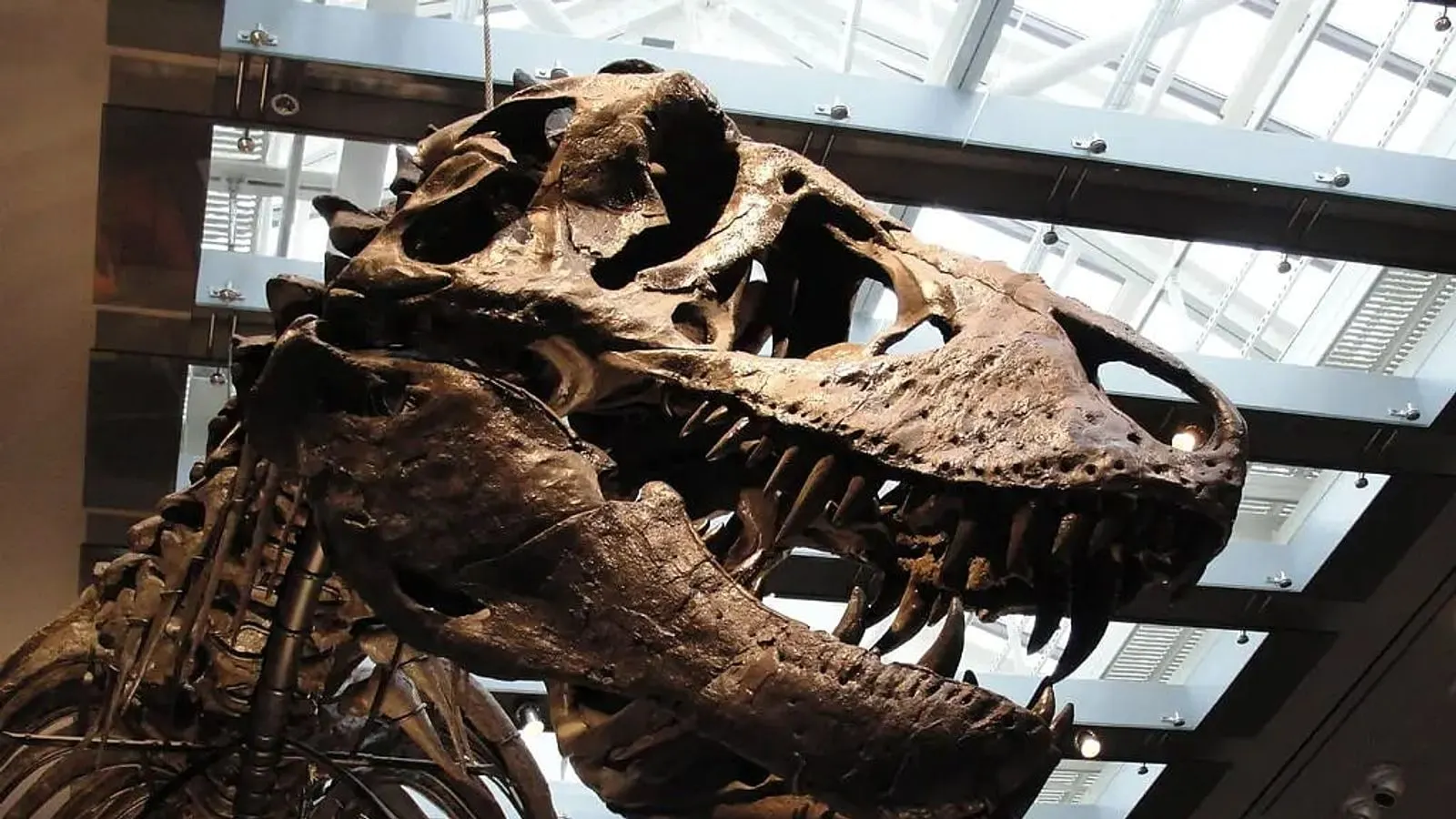
In a groundbreaking scientific development originating from the United States, researchers have successfully determined the exact body temperature of the long-extinct Tyrannosaurus rex. According to the findings, the iconic predatory dinosaur possessed a body temperature of approximately 97 degrees Fahrenheit, which translates to 36 degrees Celsius. This significant temperature milestone sheds new light on the physiological traits of prehistoric creatures that vanished from the Earth approximately 66 million years ago.
To conduct this meticulous temperature-determination research, a team of specialized scientists utilized two fossilized teeth belonging to a famous T-Rex specimen known by the name 'Thomas'. The crucial biological materials and fossils used in this study were originally discovered within a specific geological area known as the Hell Creek Formation, located in the United States. The research itself was spearheaded and conducted by experts affiliated with the University of California, Los Angeles (UCLA).
The methodology behind this discovery relies heavily on sophisticated chemical analysis of ancient minerals. Explaining the scientific principle, researcher Robert Eagle stated that when any mineral is in the process of forming, certain characteristics of its chemical composition become, in effect, 'frozen' at that exact moment in time. Consequently, by carefully examining and testing those specific chemical characteristics, scientists are successfully able to gain a clear understanding of temperature conditions from many millions of years ago.
To better understand the physiological standing of the Tyrannosaurus rex, the researchers compared its calculated 36 degrees Celsius or 97 degrees Fahrenheit body temperature against a variety of modern animals. For context, an Indian elephant maintains a body temperature of approximately 36 degrees Celsius, while a human being's normal physiological body temperature hovers around 37 degrees Celsius. Meanwhile, flightless birds such as ostriches record temperatures ranging between 38.3 and 39.4 degrees Celsius, chickens exhibit a notably higher body temperature of 40.6 to 41.7 degrees Celsius, and ancient crocodile-like creatures possessed a markedly lower average temperature of just 31.1 degrees Celsius.
This comprehensive research project on dinosaur body temperatures brought together several prominent institutions and experts from across the scientific community. Alongside lead researchers from the University of California, Los Angeles (UCLA) and scientist Robert Eagle, the collaborative effort also involved key figures like Steven Brusatte from the University of Edinburgh. Furthermore, contributions and institutional backing were provided by the Natural History Museum of Los Angeles County and its specialized Dinosaur Institute.