

UCLA Researchers Develop Scalable Stem Cell Therapy for Solid Tumors
Scientists in Los Angeles have created a method using donated cord blood stem cells to produce safer, off-the-shelf T cell receptor therapies. The novel AlloESO-T cells successfully controlled tumor growth in mouse models without causing graft-versus-host disease.
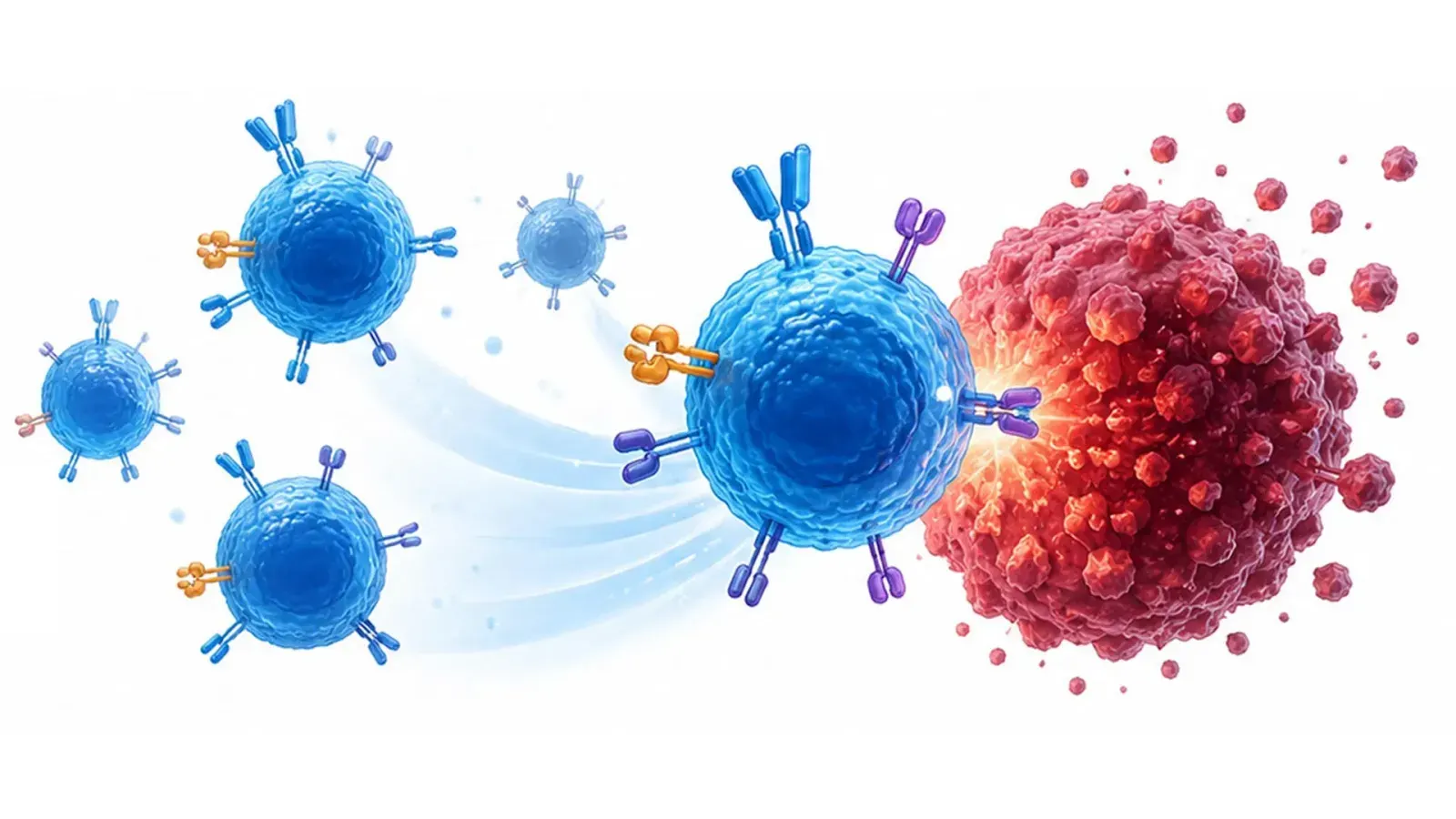
Researchers based in Los Angeles, USA, at the University of California, Los Angeles (UCLA), have successfully developed a scalable and innovative method for creating consistent batches of cancer-targeting T cells. The newly engineered cells, designated as AlloESO-T cells, are derived directly from blood stem cells obtained from donated cord blood.
The scientific breakthrough was led by researchers affiliated with prominent institutions, including the UCLA Broad Stem Cell Research Center and the UCLA Health Jonsson Comprehensive Cancer Center. Among the key figures driving the research are Lili Yang and Yichen (John) Zhu, who have focused on improving the accessibility and safety of advanced cancer treatments.
Explaining the foundational biology behind the platform, Yichen (John) Zhu noted that stem cells possess unique properties compared to mature immune cells. 'Stem cells are undifferentiated -- they're not yet mature T cells with a fixed receptor already in place,' Zhu stated, highlighting the strategic advantage of beginning the manufacturing process with these uncommitted precursor cells.
To create the therapeutic product, the team engineers the stem cells to recognize the NY-ESO-1 protein while simultaneously equipping them with natural killer cell receptors designed to detect cellular stress signals. Elaborating on the resulting cellular product, Zhu explained that 'when we differentiate our engineered stem cells into T cells, essentially all of the resulting cells carry the same receptor and go after the same tumor target.'
Addressing the common challenge of antigen escape—whereby tumor cells lose or hide the specific antigen a therapy is designed to find—Zhu pointed out an inherent safety and efficacy advantage in their design. 'Some tumor cells lose or hide the antigen a therapy is designed to find -- what we call antigen escape. When that happens, a therapy built around a single target loses its grip. Our stem cell-derived cells still have a second mechanism to kill those tumor cells,' Zhu said.
In preclinical evaluations utilizing mouse models of ovarian cancer and melanoma, the administration of AlloESO-T cells successfully controlled tumor growth and helped the animals survive longer. Crucially, these laboratory tests demonstrated that the treatment achieved these outcomes without inducing graft-versus-host disease, marking a major milestone toward clinical translation. Highlighting the long-term vision for the technology, Lili Yang concluded: 'This platform brings us closer to a future where the product is already made, frozen and ready to go as soon as the patient needs.'