
Bangladesh Campuses Clash as Local Election Debates Emerge
Clashes between student organizations left over a hundred injured across Bangladeshi campuses during the July uprising's second anniversary. Meanwhile, the Election Commission plans a phased local government vote starting in October.
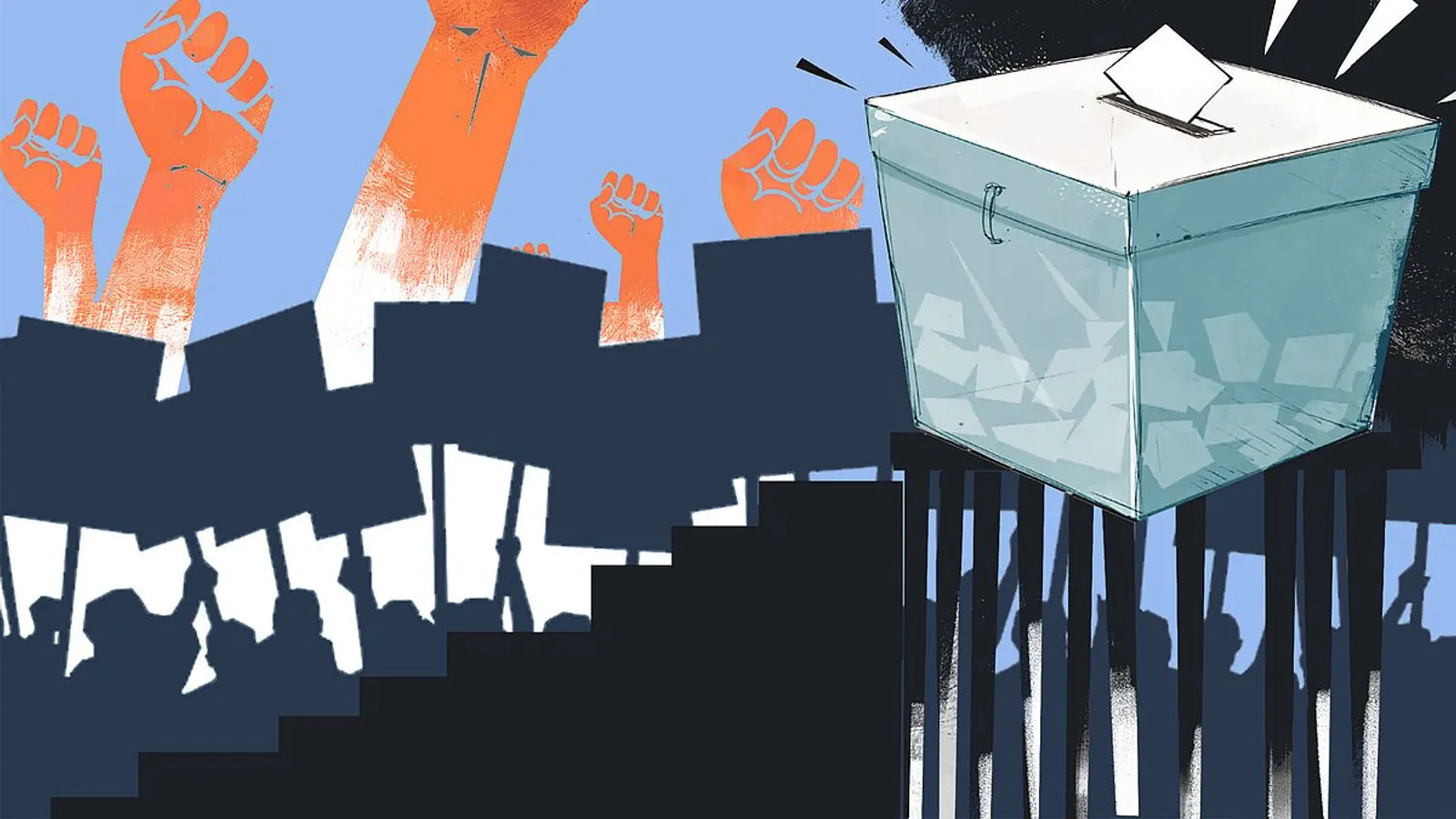
Bangladesh is currently marking the second anniversary of the July uprising with significant political developments, marked by both unrest within educational institutions and preparations for long-awaited local government elections. The country's university and college campuses recently witnessed intense clashes between members of Chhatra Dal and Chhatra Shibir, two prominent student organizations. According to verified reports from the affected locations, the violent confrontations resulted in more than one hundred students sustaining injuries, highlighting ongoing tensions within student politics on various campuses.
This campus unrest coincides with a prolonged period of administrative vacuum within the nation's grassroots governance structures. Local government institutions across Bangladesh have been operating without elected representatives for approximately two years. Consequently, the vast majority of local bodies—including more than four thousand five hundred union councils, roughly three hundred thirty municipalities, about four hundred ninety-five upazilas, and thirteen city corporations, which now includes Bogura—have been functioning under the direct control of government-appointed administrators rather than elected officials.
Addressing the ongoing governance gap, the Election Commission has formulated a timeline to restore elected representation through a series of local polls. The commission has expressed its intention to officially announce the election schedule during the second half of August, with the objective of initiating the first phase of voting by October. Election officials have indicated that the entire electoral process across all necessary phases will require a substantial timeframe of ten to twelve months to successfully complete throughout the country.
In the broader context of reforming these grassroots structures, the Local Government Reform Commission, headed by Tofael Ahmed, previously formulated and submitted a comprehensive set of significant recommendations. These proposed reforms aim to restructure local governance as the nation prepares for the upcoming electoral cycle. Alongside these administrative preparations, the political landscape remains complex, involving various political parties and entities such as the BNP, Jamaat-e-Islami, NCP, and Awami League, against the backdrop of ongoing institutional transitions involving the Election Commission and Dhaka University.