
Bangladesh Approves LNG, Fertilizer, and Equipment Deals Amid Crisis
The Economic Affairs Cabinet Committee has cleared the procurement of 14 liquefied natural gas cargoes alongside new fertilizer contracts and training simulators. Meanwhile, national grid gas supplies from floating terminals have dropped due to an ongoing cargo crisis.

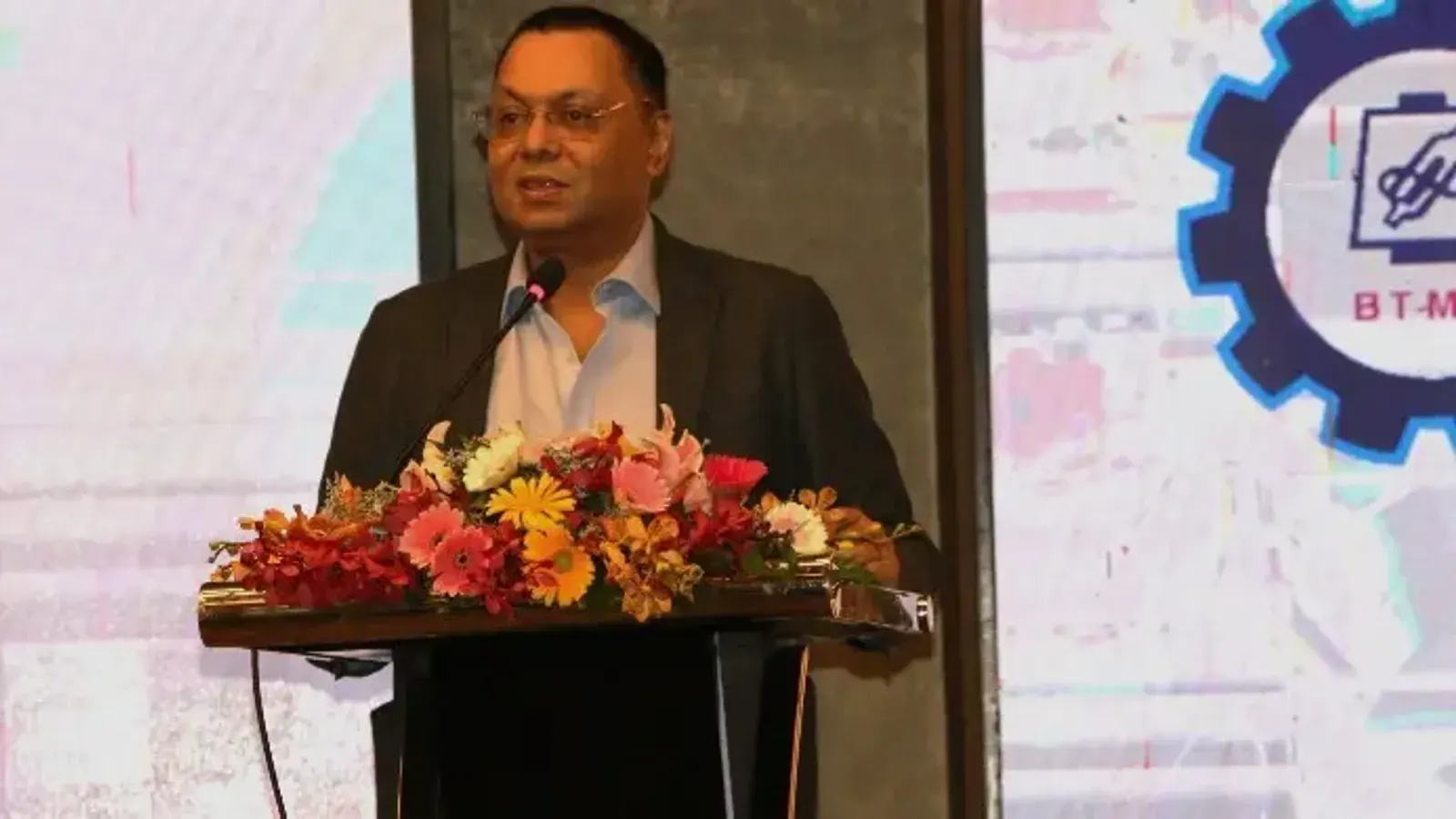
On August 19, 2026, the Economic Affairs Cabinet Committee in Bangladesh officially approved the import of 14 cargoes of liquefied natural gas (LNG) sourced from seven distinct institutions. The high-level cabinet meeting that authorized these critical energy and industrial decisions was presided over by Finance Minister Amir Khasru Mahmud Chowdhury.
In addition to the extensive LNG procurement plans, the committee granted official approval for a vital urea fertilizer import contract. This agreement has been established between the Bangladesh Chemical Industries Corporation (BCIC) and Fertiglobe Distribution Limited to secure necessary agricultural supplies specifically for the 2026-27 fiscal year.
The government's industrial development agenda also advanced as the cabinet approved taking technical assistance from Japan-based MHI. This specialized support is designated for the implementation and operation of the Ghorashal-Palash urea fertilizer factory project under the Ministry of Industries.
Furthermore, infrastructural enhancements within the employment sector were greenlit during the session. The Bureau of Manpower, Employment and Training (BMET), operating under the Ministry of Expatriates' Welfare and Overseas Employment, received authorization to procure a total of 40 driving simulators destined for 40 technical training centers across the country.
These policy decisions and procurement approvals come at a time when the nation is experiencing noticeable constraints in its energy sector. Specifically, the natural gas supply originating from Excelerate Energy's floating storage and regasification unit (FSRU) located in Moheshkhali has experienced a measurable decrease due to an ongoing cargo crisis.
Consequently, the impacted floating terminal operations yielded a reduced gas supply ranging between 550 to 570 million cubic feet per day (mmcfd) to the national grid on August 19, 2026. This dynamic underscores the critical timing of the newly approved 14 LNG cargo imports managed through the Energy and Mineral Resources Division and Rupantarita Prakritik Gas Company Limited (RPGCL), alongside other key industry stakeholders such as Summit.