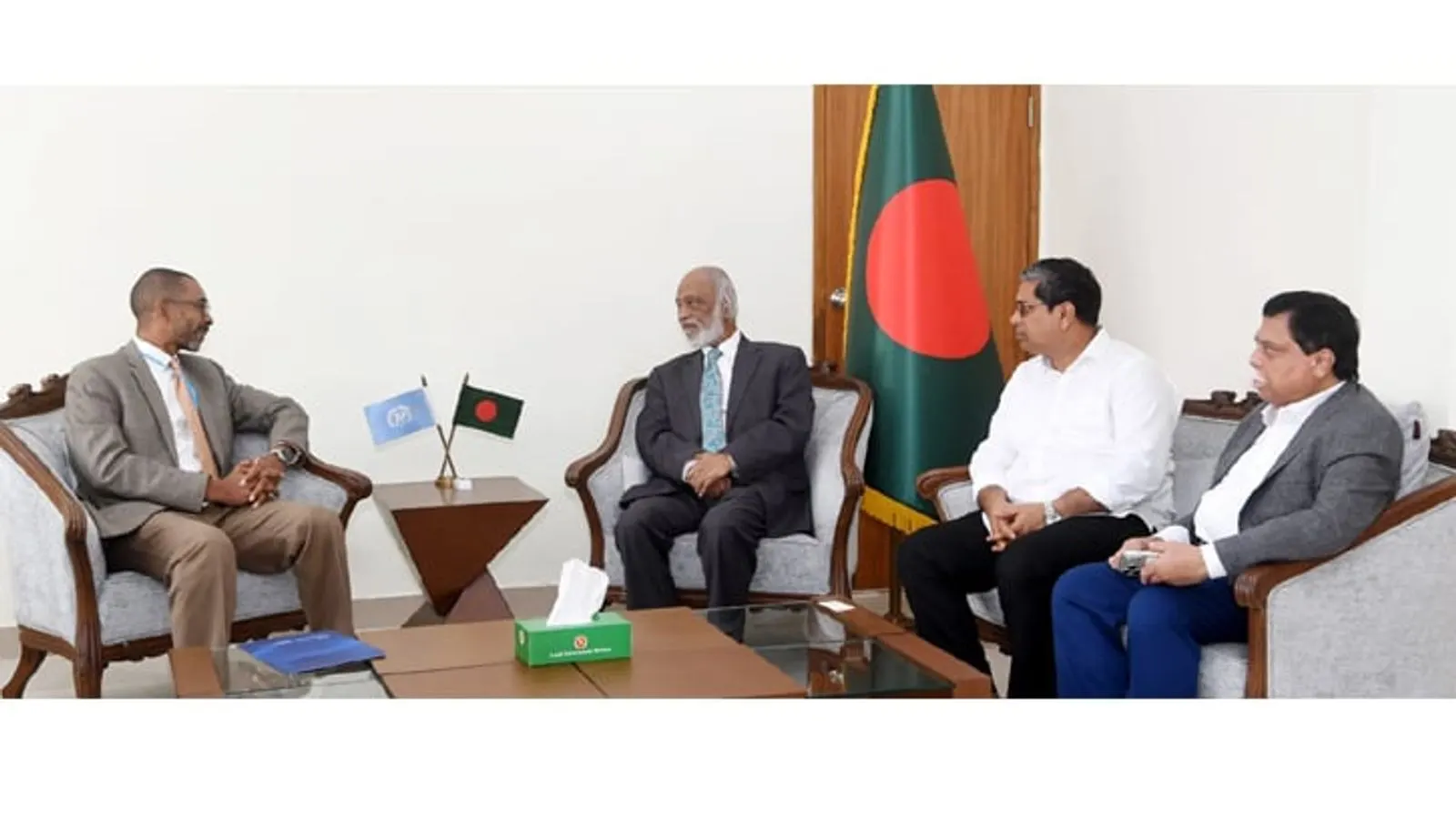

Bangladesh Reviews Six Months of Governance Amid Energy and Development Push
The administration led by Tarique Rahman has marked its six-month milestone in Dhaka with a comprehensive review of national progress across energy, education, and environmental sectors. Officials outlined strategic developments ranging from renewable energy expansions to significant budget increases in social services despite global economic headwinds.
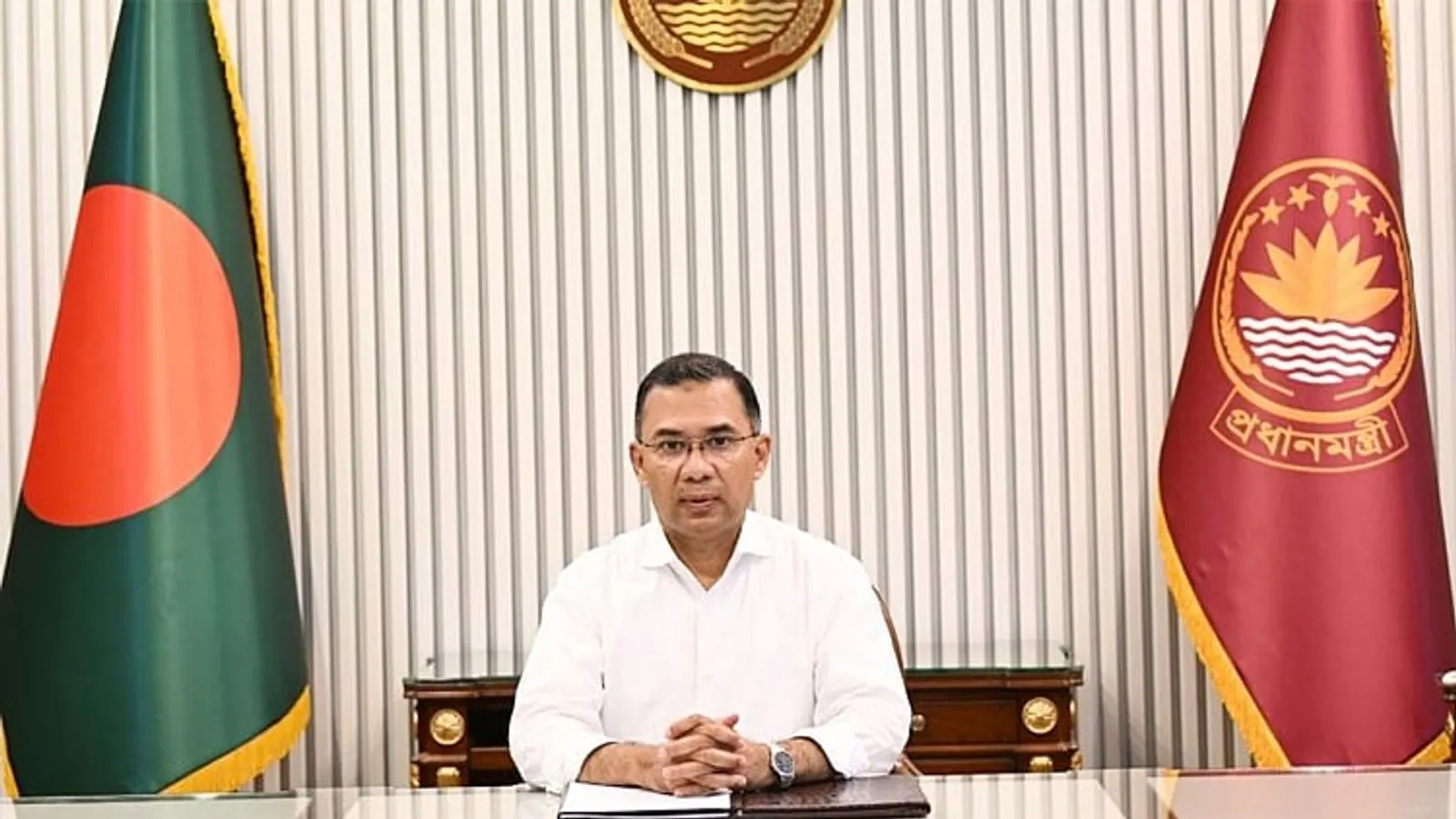
The government led by Tarique Rahman has officially completed its first six months in office, prompting a detailed review of progress across various national sectors in Dhaka, Bangladesh, during August 2025. This milestone period has been characterized by active policy implementation and structural evaluations across multiple governmental ministries, addressing both developmental ambitions and external economic pressures.
Economic challenges stemming from international markets have directly impacted domestic policies, most notably through energy sector adjustments. Due to a severe energy crisis originating in the Middle East—where fuel oil prices surged by approximately 33 percent—the government in Bangladesh was compelled to increase domestic fuel oil prices by nearly 10 percent to manage fiscal stability.
Despite these external constraints, infrastructural and environmental initiatives have moved forward significantly. The Executive Committee of the National Economic Council (ECNEC) approved the first phase of the Padma Barrage project, involving a substantial total expenditure of 34,497.25 crore Bangladeshi taka. In parallel, the administration has pursued aggressive targets for green energy, aiming to generate 10,000 megawatts of solar power by the year 2030. During the administration's initial 180 days, 200 megawatts of new solar power were successfully integrated into the national grid. Furthermore, a World Bank-assisted project added 338 megawatts of renewable electricity to the national grid, an achievement projected to reduce carbon emissions by approximately 3.77 lakh tons annually. Additional urban infrastructure efforts include a waste-to-energy project in Aminbazar designed to utilize approximately 3,000 tons of daily waste to produce 42.5 megawatts of electricity.
Environmental management and disaster preparedness have also formed core pillars of the six-month review. Out of an ambitious nationwide program to excavate 20,000 kilometers of canals, approximately 2,165 kilometers have already been excavated or re-excavated. Forestry initiatives feature a comprehensive plan to plant 25 crore trees over a five-year span, supported by a 2026 target of 5,14,88,930 saplings; within the first 180 days alone, 2,22,68,000 saplings were planted. Climate resilience was tested in regions including Chattogram, where 1,057 cyclone shelters provided safe refuge to over 12,000 displaced individuals.
Substantial budgetary allocations marked the social sectors, with education receiving 1,36,606 crore taka—representing a 56.6 percent increase that elevates education spending to 2 percent of the national GDP. Technological infrastructure reached 65,569 government primary schools across the country through uninterrupted internet connectivity grants. Financial support for students was distributed digitally across two installments, delivering a total of 1,181.44 crore taka in stipends directly to the mobile accounts of guardians for 74,10,579 students in the first tranche and 66,70,273 students in the second tranche.
Health and social welfare programs received parallel investments, with the health sector allocated 69,409 crore taka, accounting for 1.02 percent of the GDP. To bolster grassroots healthcare delivery, 100,000 health service workers were recruited nationwide, 80 percent of whom are women. Additionally, welfare stipends reached 13,949 religious leaders and service workers during a pilot phase, while a broader decision was finalized to grant allowances to 2,56,074 religious leaders and service workers across 86,709 religious institutions during the 2026-27 fiscal year, backed by a dedicated allocation of 1,100 crore taka.