Yukio Mishima's Failed Coup and Seppuku in Tokyo
Renowned Japanese author Yukio Mishima committed seppuku on November 25, 1970, following a failed coup attempt in Tokyo. The Nobel-nominated writer left behind a complex legacy in literature and society.
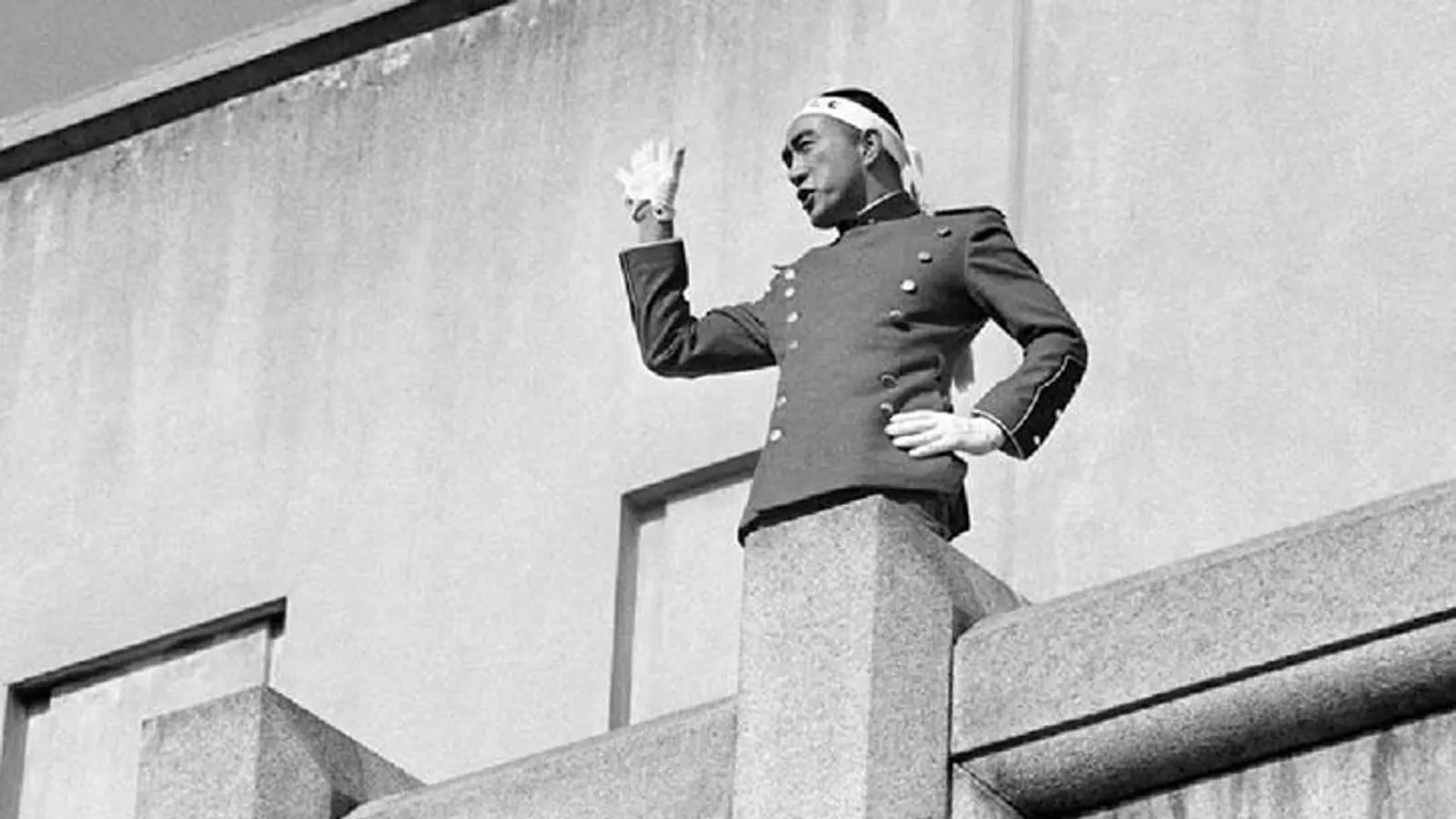
Renowned Japanese author Yukio Mishima, whose birth name was Kimitake Hiraoka, committed seppuku (ritual disembowelment) on November 25, 1970, in Tokyo, Japan, following a failed coup attempt. Born in Tokyo on January 14, 1925, Mishima grew up to become one of the most prominent literary figures of his generation, recognized both domestically and internationally for his profound contributions to Japanese literature and culture.
During his illustrious writing career, Mishima achieved extraordinary global acclaim, most notably being nominated for the prestigious Nobel Prize in Literature five separate times during the 1960s. His literary genius earned him immense respect from his peers, with fellow luminary Yasunari Kawabata famously praising his extraordinary literary stature by stating that a writer of Mishima's immense power emerges only once every two or three hundred years.
In addition to his prolific writing career, Mishima took a decisive and militant turn in his political activism as his nationalist views intensified. In 1968, he founded the Tatenokai, also known as the Shield Society, which was a civilian militia dedicated to preserving traditional Japanese values and honoring the Emperor, operating alongside the Self-Defense Force.
The culmination of Mishima's political ideology and radical nationalism occurred on November 25, 1970, when he orchestrated a failed coup attempt in Tokyo. Unable to achieve his political objectives through the uprising, Mishima tragically ended his own life through the traditional method of seppuku, marking a shocking and dramatic conclusion to the life of a globally celebrated intellectual.