
Phulbari Remembers 2006 Coal Mine Crackdown Tragedy
August 26 marks the anniversary of the 2006 protests in Dinajpur against Asia Energy. BDR gunfire during the office siege left three youths dead and over 200 injured.
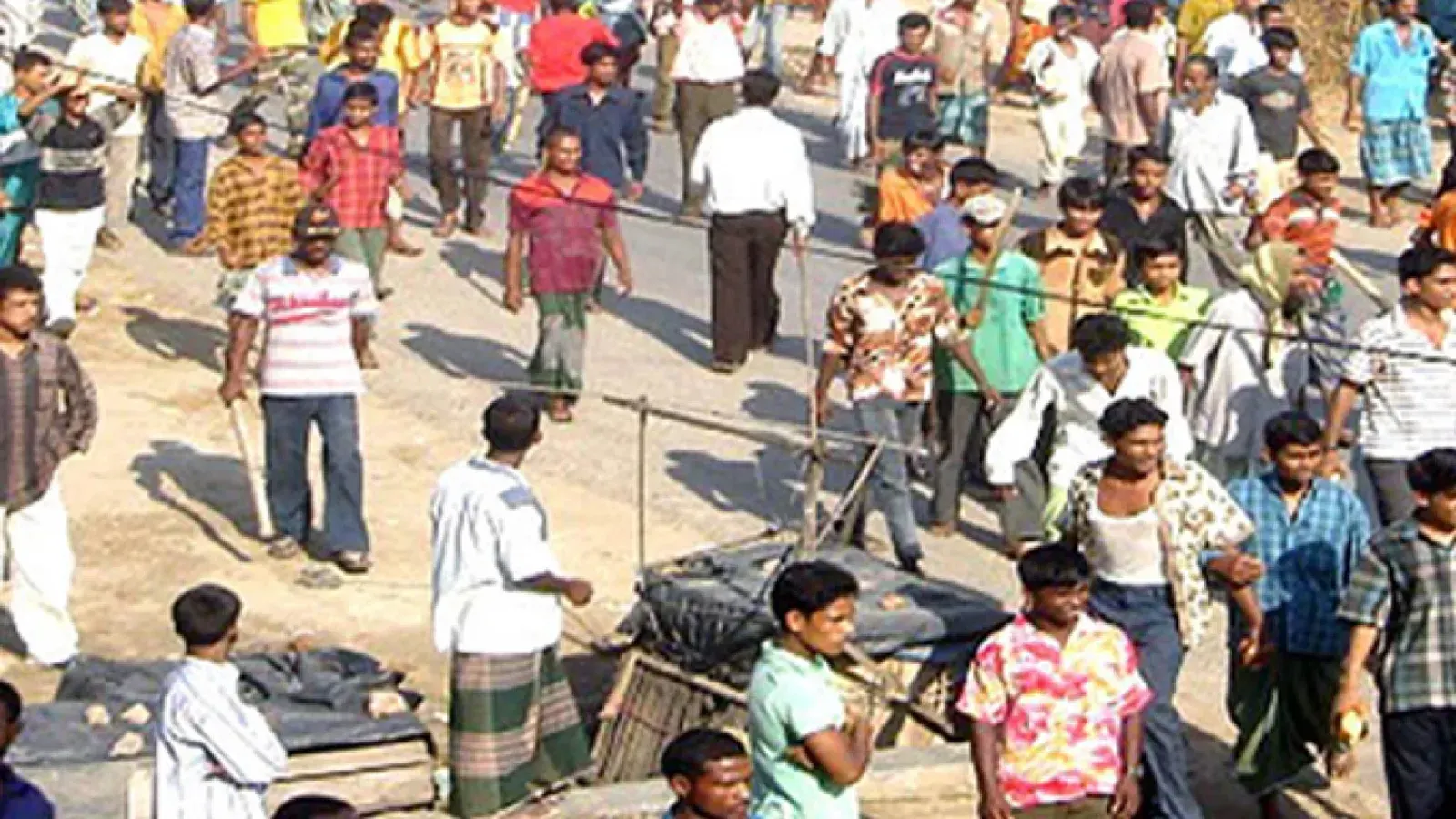
The historical events of August 26, 2006, in Phulbari, Dinajpur, remain a significant point of reference in local resource management protests. On this date, demonstrators gathered to enforce an office siege targeting Asia Energy, a company involved in regional energy exploration proposals. The mobilization drew widespread local participation, reflecting deep-seated concerns over the extraction plans and their projected impact on the region's agricultural landscape and local communities.
During the course of the demonstration, BDR personnel opened fire on the assembled crowd. The resulting violence led to the deaths of three young individuals: Tarikul, Amin, and Salekin. In addition to the fatalities, the crackdown left more than two hundred male and female protesters injured, creating a lasting impact on the community and drawing intense national attention to the unfolding situation in the northern district.
The resistance movement against the mining project involved various local and national figures, including Tarek Rahman, Amin, Salekin, Prodip Sarker, Bablu Roy, Srimanta Baske, Muhammad Shahidullah, Anu Muhammad, Murtuza Sarker Manik, Syed Saiful Islam Jewel, and Joy Prokash Gupta. Organizations such as the National Committee to Protect Oil, Gas, Mineral Resources, Power and Ports, the Phulbari Protection Committee, and the then-ruling BNP-Jamaat coalition government were central to the political and social dynamics surrounding the conflict.
Resource assessments of the region indicate substantial underground deposits. Geological findings point to five coal mines in total, with the Jamalগঞ্জ mine containing approximately one billion tons of coal, making it the largest deposit. Meanwhile, the Phulbari coal mine holds roughly 570 million tons of coal. Under the commercial arrangements that sparked controversy, Bangladesh stood to receive only six percent of the extracted coal, while Asia Energy was slated to take ninety-four percent.
Historical context for these resource extraction efforts dates back to 1994, when the government previously entered into an agreement with the Australian firm BHP. The dissatisfaction with such terms fueled the 2006 protests and continues to shape local sentiments regarding foreign corporate involvement in domestic resource extraction.
Reflecting on the ongoing grievances tied to the region's natural resources, local leaders Syed Saiful Islam Jewel and Joy Prokash Gupta issued a firm warning regarding corporate presence in the area. They stated, 'If the demands are not implemented, the people of Phulbari will unite again to expel Asia Energy. Three-crop land is our permanent asset. It cannot be destroyed for temporary assets.'