

New Study on AMR and Handwashing in Bangladesh and Kenya
Recent research published in Nature Communications examines antimicrobial resistance and handwashing among rural populations in Bangladesh and Kenya. Findings show that improved hygiene measures significantly reduce antibiotic use in children.
Antimicrobial resistance, commonly known as AMR, represents a critical global health challenge where harmful microorganisms adapt and become immune to medications, rendering standard antibiotics completely ineffective against infections. To better understand the drivers of this alarming trend in developing regions, researchers conducted detailed studies focusing on rural communities in Bangladesh and Kenya. The comprehensive findings were subsequently published in the esteemed scientific journal Nature Communications, shedding light on the heavy reliance on antibiotics among young children and the potential of basic public health interventions.
The research in Bangladesh revealed staggering statistics regarding early childhood exposure to antimicrobial drugs. According to the findings, approximately 98 percent of all children who participated in the study had consumed antibiotics at least once before reaching the age of six months. Furthermore, the frequency of medication use among these infants was exceptionally high, with children taking an average of about ten antibiotic courses every year. This heavy reliance stands in stark contrast to developed nations, such as the United States, where a typical child receives fewer than two antibiotic courses annually.
Compounding the issue of high consumption rates is the manner in which these medications are acquired by families. The data gathered during the research indicated that roughly 77 percent of all antibiotics utilized by the study participants were purchased directly from local pharmacies without any official prescription from a qualified physician. This widespread self-medication and unregulated access contribute significantly to the rapid development of antimicrobial resistance within these vulnerable rural populations, posing long-term threats to public health infrastructure.
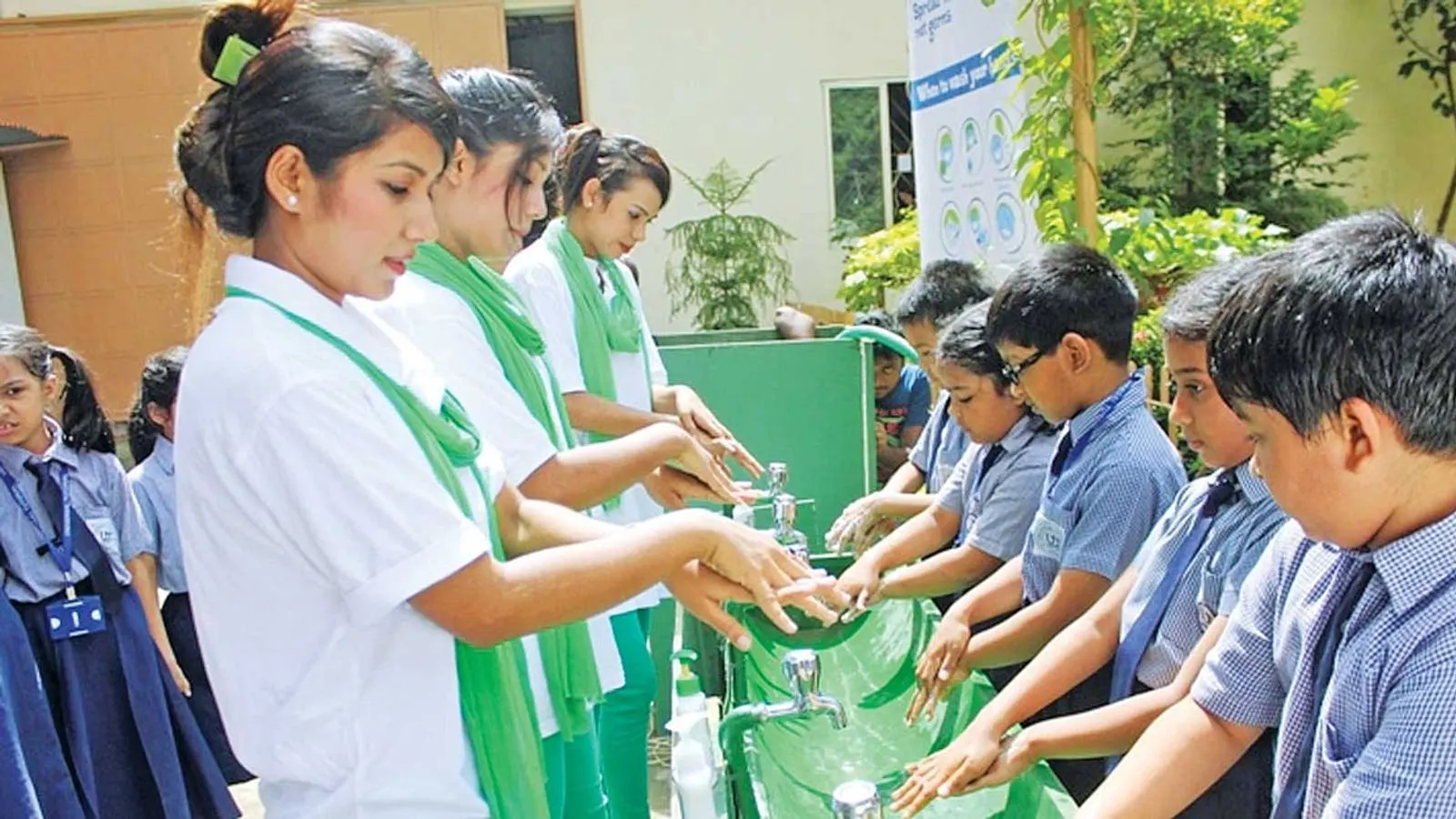
Despite these concerning baseline statistics, the research also identified a highly promising and cost-effective solution through improved domestic hygiene practices. When researchers introduced targeted interventions to bring families under structured handwashing and sanitation guidelines, the results were immediately apparent. Among the households that successfully adopted these enhanced health and hygiene protocols, the rate of antibiotic usage among young children dropped notably.
Specifically, the data demonstrated that the proportion of children who had consumed antibiotics at least once during the preceding ninety days decreased by 10 to 14 percent in the families that maintained proper hygiene measures. More impressively, the frequency of children undergoing multiple antibiotic treatment courses experienced a reduction ranging from 26 to 35 percent. These definitive outcomes underscore the vital role that fundamental water, sanitation, and hygiene practices can play in combating the escalating crisis of antimicrobial resistance in rural Bangladesh and Kenya.