

New Research Highlights Limitations of Sleep Trackers in US
Recent research from the United States examines the effectiveness of popular wearable sleep trackers. Experts reveal notable discrepancies between device data and subjective sleep quality, particularly among older adults and individuals experiencing depression.
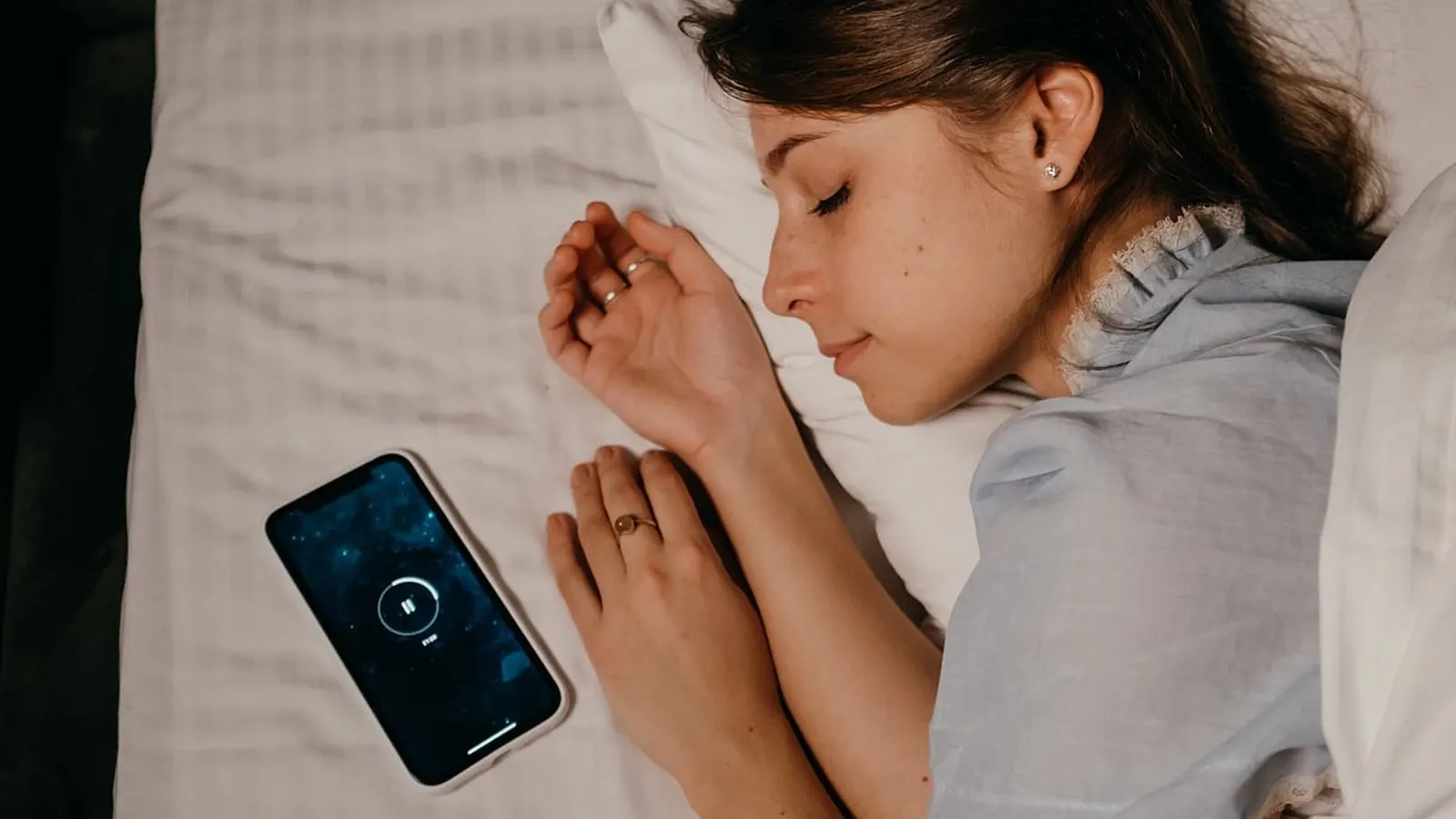
New research conducted in the United States has revealed significant limitations regarding the ability of commercial sleep trackers to accurately assess subjective sleep quality. These widely used consumer devices typically function by analyzing various patterns, durations, and overall metrics related to an individual's nightly rest. To capture this information, users generally wear the technology directly on their wrists in the form of a specialized smartwatch or a fitness band throughout the night.
In this notable investigation, two prominent medical researchers thoroughly examined data drawn from five separate studies. The collaborative review encompassed information gathered from approximately two thousand individual participants. Leading this comprehensive evaluation were pulmonologist Dr. Norat Srivallibhotla from Duke University, located in North Carolina, alongside fellow researcher Dr. Wisit Cheungpasitporn, who is affiliated with the renowned Mayo Clinic.
While these wrist-worn gadgets have become increasingly popular for daily health monitoring, the findings highlight a crucial disconnect between technological measurements and human perception. The researchers discovered that discrepancies between the data recorded by the devices and a person's actual internal feeling of how well they slept were notably more pronounced among specific demographic groups within the studied population.
Specifically, the mismatch between objective tracker metrics and subjective sleep experience was found to be much higher among elderly individuals. Additionally, a similar elevated level of inconsistency was documented when researchers analyzed the data concerning people who currently suffer from depression. These results suggest that relying solely on wristbands and smartwatches may not provide a complete or accurate picture of true sleep satisfaction for these vulnerable groups.