Nutritionist Anjali Mukherjee Shares Essential Brain Health Nutrients
Nutritionist Anjali Mukherjee has taken to Instagram to share vital tips regarding essential nutrients and food sources required for optimal brain health. Her guidance highlights specific dietary items that provide necessary vitamins and minerals to support cognitive function.
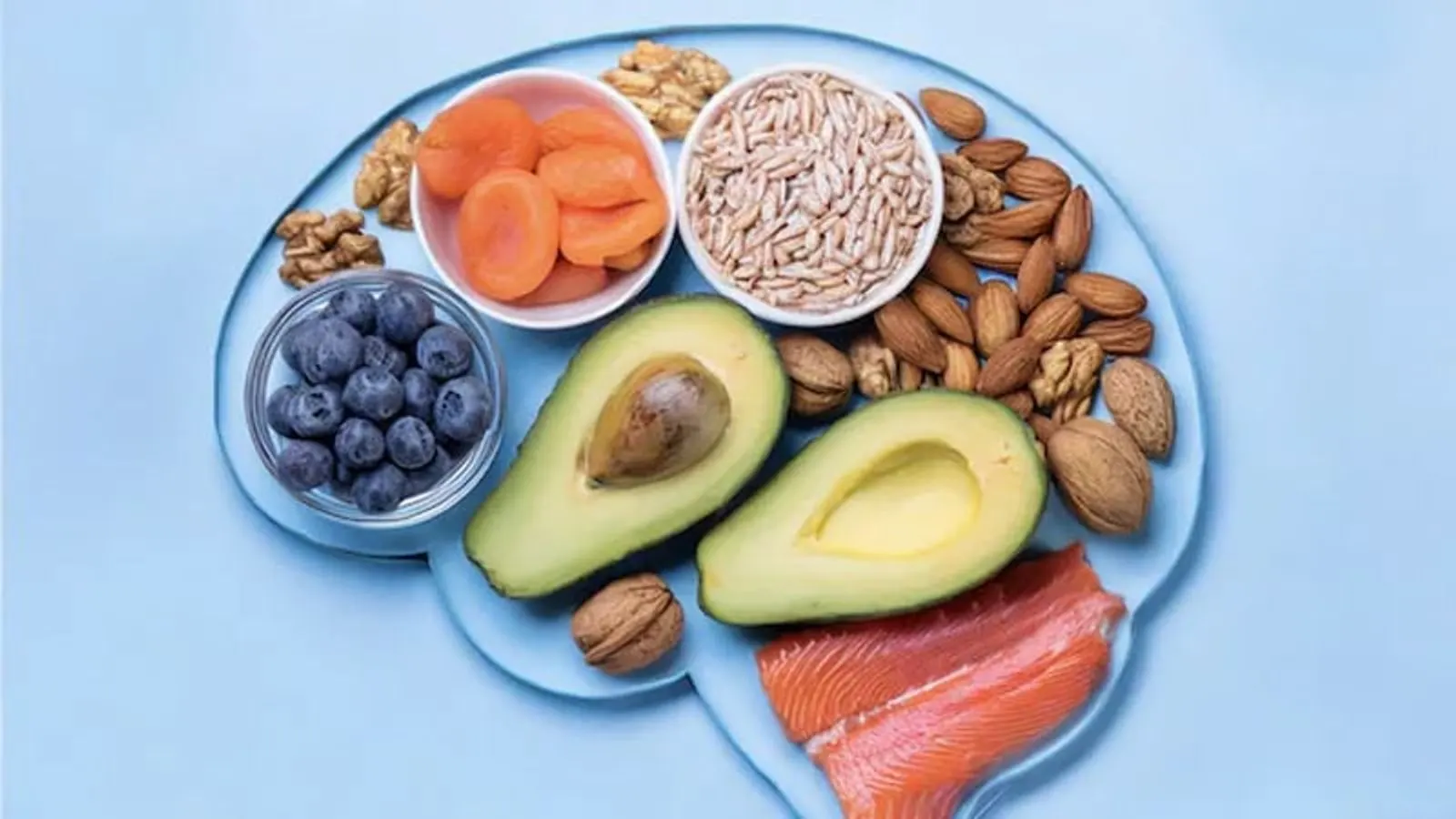
In a recent informational post shared on the popular social media platform Instagram, well-known nutritionist Anjali Mukherjee detailed the critical nutritional components necessary for maintaining the normal and healthy functioning of the human brain. According to the expert, incorporating the right variety of nutrients into one's daily diet is essential for overall neurological well-being and sustained cognitive performance.
Among the primary nutrients highlighted by Mukherjee is omega-3 fat, which plays a significant role in supporting brain health. For individuals looking to increase their intake of this vital nutrient, the nutritionist points to several rich dietary sources, noting that fatty fish, flaxseeds, chia seeds, and walnuts are among the best options available.
In addition to omega-3 fatty acids, the expert's guidance emphasizes the importance of other specific compounds, including choline. Individuals can easily source choline from a variety of everyday food items, with eggs, soybeans, tofu, milk, and peanuts recognized as dependable sources of this crucial nutrient.
The comprehensive nutritional breakdown also addresses the significance of B vitamins for cognitive health. Mukherjee identifies lentils, leafy green vegetables, whole grains, eggs, dairy products, and nutrient-fortified foods as excellent sources capable of supplying the body with these necessary B vitamins.
Furthermore, the advisory highlights essential minerals such as iron, magnesium, and zinc, detailing the specific foods required to maintain adequate levels. Iron can be obtained from lentils, beans, sesame seeds, leafy vegetables, and meat; magnesium is found in nuts, various seeds, lentils, whole grains, and leafy vegetables; while zinc is readily supplied by pumpkin seeds, sesame seeds, beans, dairy products, eggs, and seafood.