Malaysia PM Asks Bangladesh to Review Telecom Foreign Ownership Limit
Malaysian Prime Minister Anwar Ibrahim has sent a letter to Bangladesh Prime Minister Tarique Rahman requesting a review of the proposed foreign ownership limits in the telecommunications sector. The development comes amid ongoing discussions regarding the 'Telecommunications Network and Licensing Policy, 2025', which sets caps on foreign equity and local partnerships.
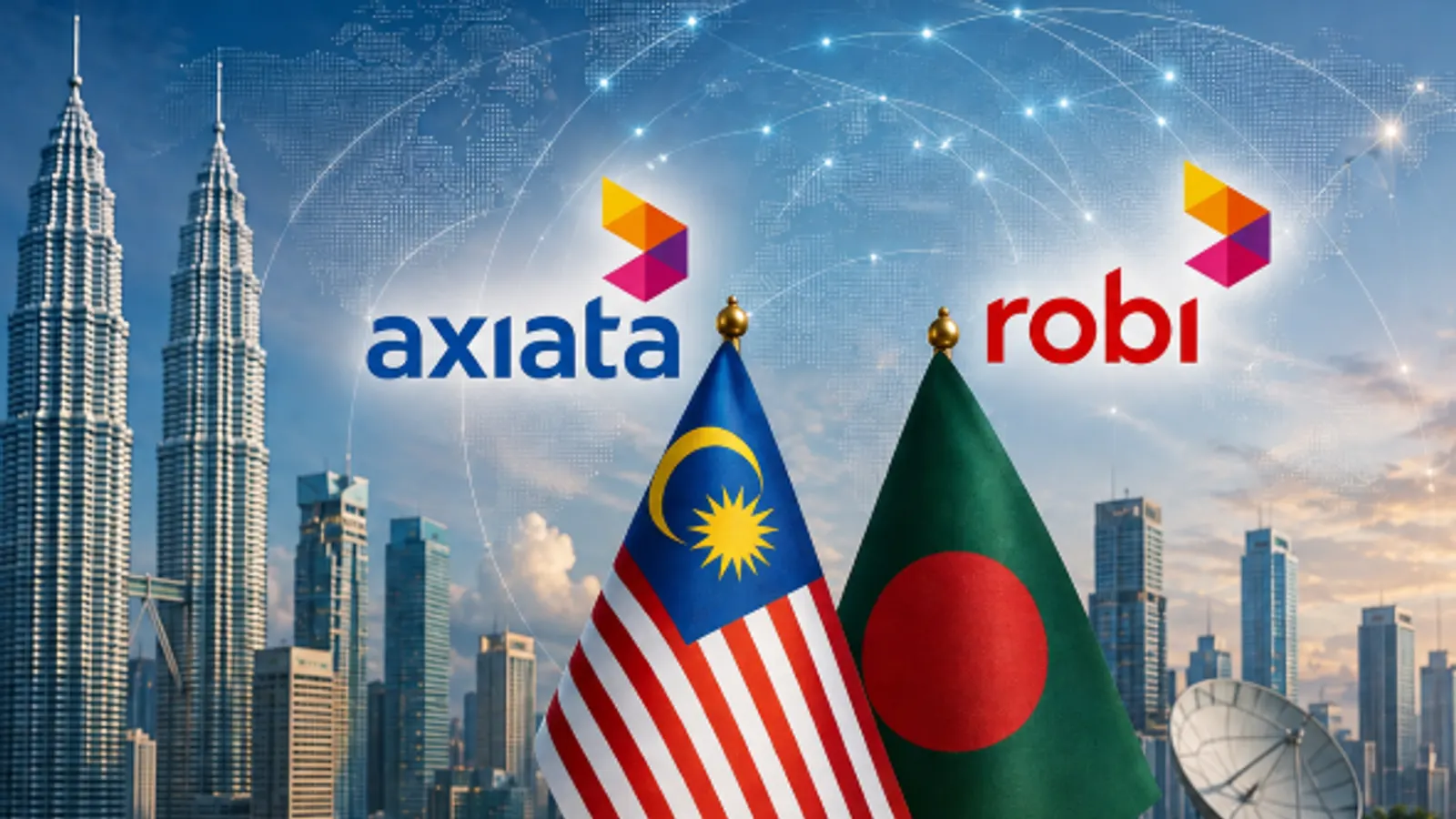
Malaysian Prime Minister Anwar Ibrahim has written a letter to Bangladesh Prime Minister Tarique Rahman, requesting a review of the proposed limits on foreign ownership within the telecommunications sector. The communication, originating from diplomatic channels involving the Malaysian High Commission, the Malaysian Ministry of Foreign Affairs, and the Ministry of International Trade and Industry, brings renewed attention to the regulatory framework governing foreign investment in Bangladesh.
The issue centers around the provisions outlined in the draft 'Telecommunications Network and Licensing Policy, 2025'. Under the currently proposed guidelines, the framework establishes a maximum foreign ownership limit of 80 percent, while imposing a mandatory domestic partnership requirement of 20 percent. Previously, discussions and guidelines surrounding the sector had involved figures of up to 85 percent for foreign ownership and a 15 percent domestic stakeholder obligation, highlighting ongoing shifts in regulatory policy.
Stakeholders and industry representatives have voiced significant concerns regarding these proposed caps. Shahed Alam stated that objections have been raised against the proposed limits on foreign share ownership for mobile operators. He emphasized that existing operators should be exempted from such new restrictions, warning that applying them retrospectively to previous investments would be inconsistent with the foreign investment protection act and could negatively impact investor confidence. Alam further argued that ownership caps should be left to market dynamics, noting that regulatory restrictions create adverse market reactions that are undesirable.
Taimur Rahman echoed similar sentiments, stating that opposition to this capping on foreign investment has existed from the very beginning. He asserted that the matter should be left entirely to investors and requested that the government reconsider its position. Meanwhile, Rehan Asif Asad noted that authorities intend to conduct further final observations and approve the telecommunication sector policies and guidelines within the next month.
Addressing the division of responsibilities regarding financial regulations, Major General (Retd) Md Emdadul Bari explained that determining the exact percentage of shares for telecom sector investments is not something they originally intended to decide independently, and that the ministry will take the ultimate decision. He added that the Bangladesh Telecommunication Regulatory Commission (BTRC) lacks the specific expertise for such financial matters, noting that financial aspects fall under the purview of the Ministry of Finance and the Ministry of Commerce. He stated that agencies such as the Bangladesh Investment Development Authority (BIDA), which evaluates foreign investment, along with the Posts and Telecommunications Division, will consult together to reach a definitive decision.
As these policy deliberations continue, the existing market structure features notable local participation. Within Grameenphone, local shareholding currently stands at 34.2 percent, with Grameen Telecom serving as the local share partner. The unfolding decisions by the Ministry of Finance, Commerce Ministry, BIDA, and the Posts and Telecommunications Division will shape the future landscape for major operators and international groups such as Axiata Group Berhad, Robi, Veon, Banglalink, Telenor, Grameenphone, Grameen Telecom, and Edotko, as well as political entities like the BNP and reporting platforms like Techshahar.