

History and Evolution of BT Group and Global Telecom Companies
BT Group traces its extensive lineage back to the founding of the Electric Telegraph Company in 1846. The telecommunications giant has undergone profound structural transformations across centuries, evolving into a modern provider of broadband, mobile, and network infrastructure.
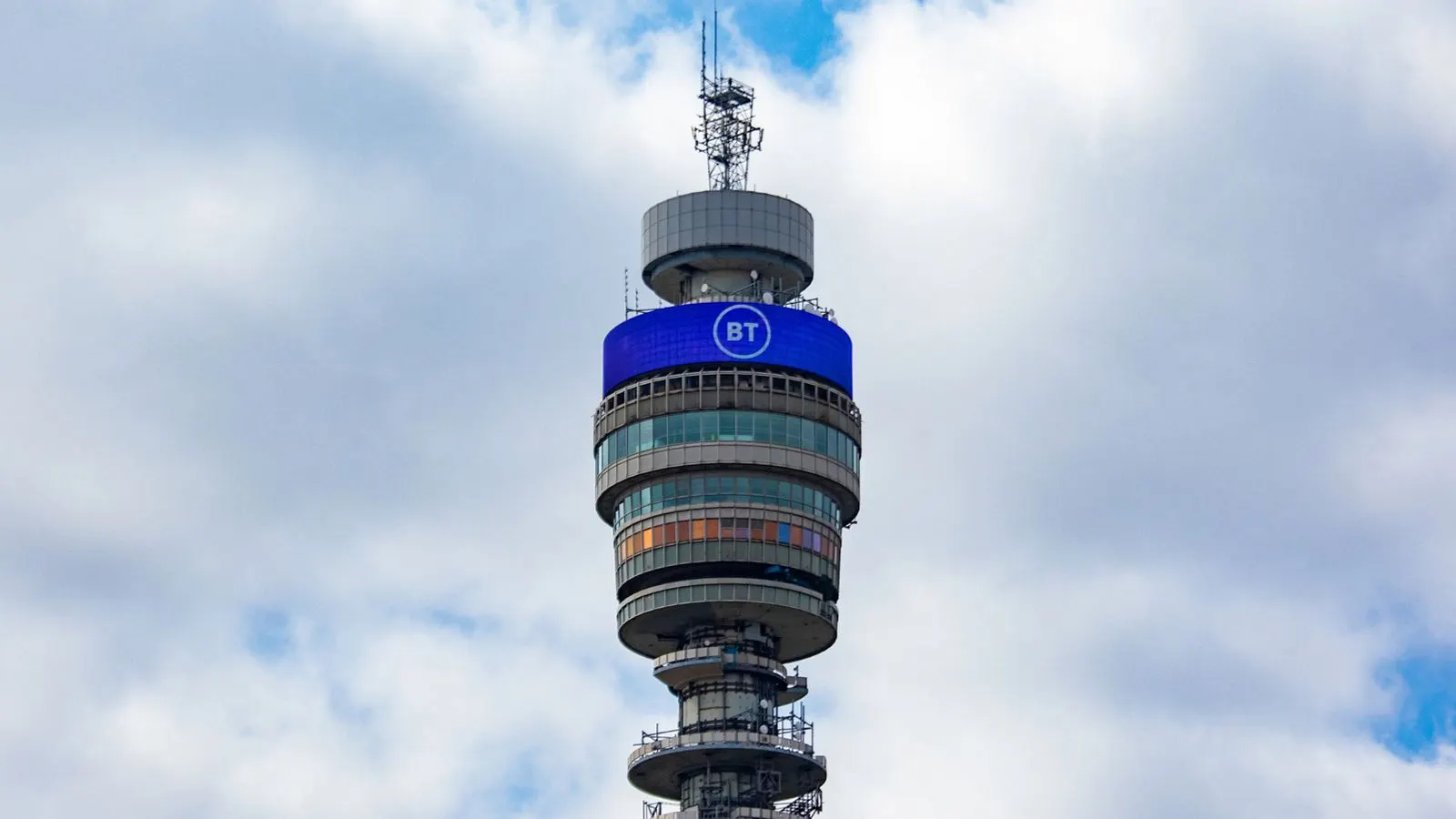
The historical foundations of BT Group trace directly back to the year 1846 with the establishment of the Electric Telegraph Company, representing the earliest lineage of the modern telecommunications provider. This pioneering enterprise was formed during an era of rapid technological industrialization in the United Kingdom, laying the groundwork for widespread electrical communications across the nation. A few years later, in 1855, the Electric Telegraph Company merged with the International Telegraph Company to form the Electric and International Telegraph Company, consolidating early telegraph infrastructure and operations under a unified corporate entity.
As the telecommunications sector continued to expand throughout the nineteenth century, government oversight and structural consolidation reshaped the industry landscape. In 1870, the General Post Office officially took over the Electric and International Telegraph Company, bringing private telegraph operations into state management. Decades later, in 1912, the National Telephone Company was likewise absorbed into the growing Post Office system, further centralizing the nation's telephone and telegraph services under public administration.
The structural identity of the organization shifted significantly toward the end of the twentieth century. In 1980, Post Office Telecommunications officially became known as British Telecom, and by 1981, British Telecommunications formally took over all telecommunications and data-processing operations from the state. A major turning point occurred in 1984 with the privatization of BT plc, which began when the government sold a majority stake in the company to private investors, opening the telecommunications market to broader commercial competition.
In the decades that followed, BT continued to expand its market presence and modernize its service offerings through major corporate acquisitions and structural reforms. Most notably, BT completed its acquisition of EE in 2016, integrating the major mobile operator into its broader portfolio. By 2026, BT brought BT Mobile back specifically for its broadband customers, further strengthening its multi-service consumer propositions.
Network infrastructure development and regulatory oversight have remained central to the company's operations in the contemporary era. Openreach, which maintains the underlying network infrastructure, has operated as legally separate from BT since structural reforms were proposed by Ofcom, the UK communications regulator. By June 30, Openreach's expansive full-fiber footprint covered a substantial number of premises, with millions of those locations successfully connected to the high-speed network.