Leopard cubs trapped in small Gazipur Safari Park rooms for nearly a decade
Two leopard cubs rescued by police in 2017 have spent nearly a decade confined in small rooms at the Gazipur Safari Park without a proper enclosure. Environment ministry adviser Syeda Rizwana Hasan recently inspected the facility and ordered the immediate creation of a suitable habitat.
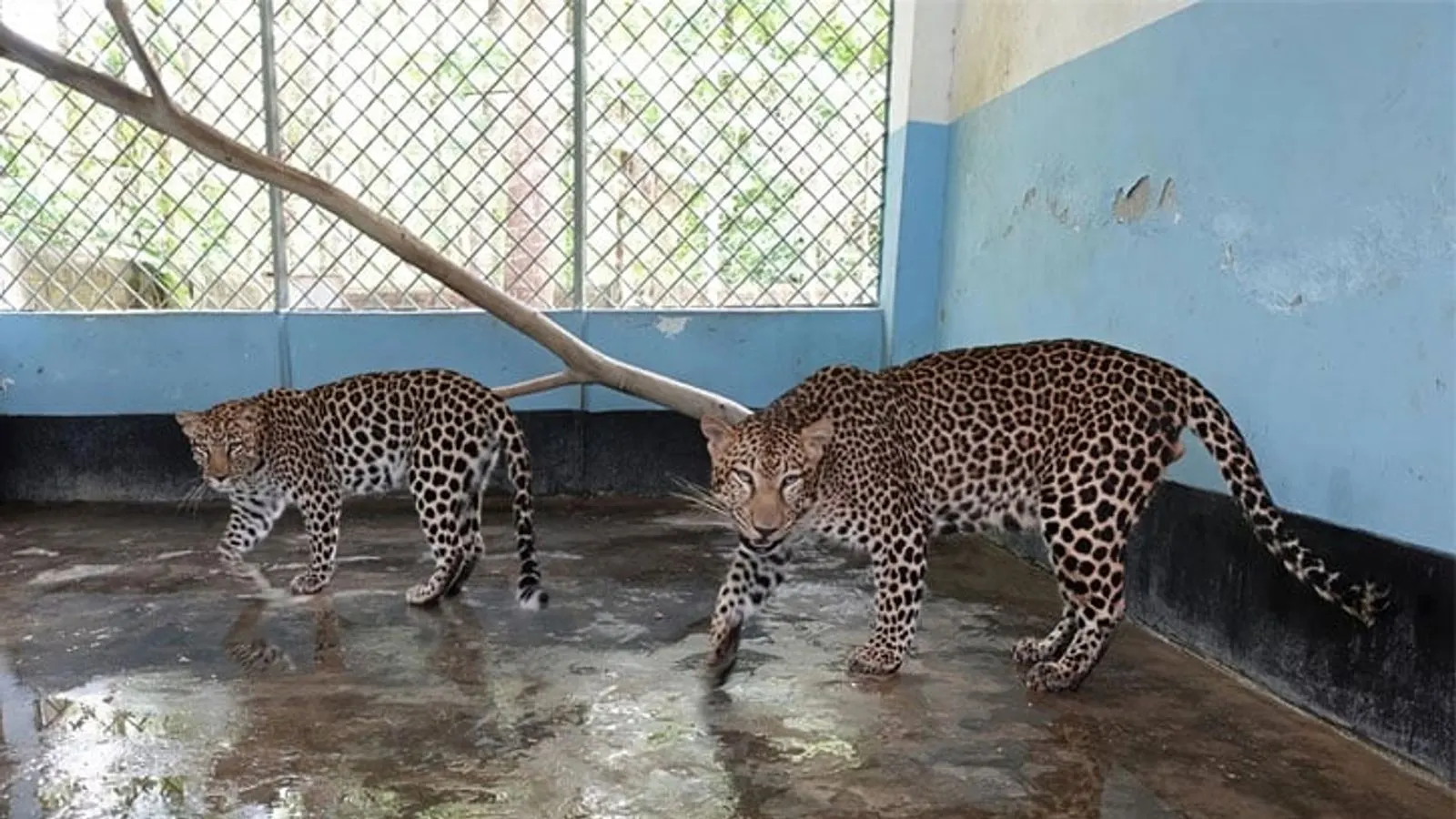
Two leopard cubs that were rescued by law enforcement authorities nearly a decade ago have been forced to live in cramped conditions at the Gazipur Safari Park, sparking serious concerns among wildlife experts and government officials regarding animal welfare and the fundamental objectives of modern conservation facilities.
The animals' ordeal began back in 2017 when police successfully recovered two leopard cubs from Jashore. At the time of their initial rescue, the young wild cats were approximately one and a half months old. Following their recovery, the authorities transferred the two leopard cubs directly to the Gazipur Safari Park, located in Sreepur, Gazipur, with the expectation that they would be properly integrated into the park's wildlife management system.
However, rather than being provided with a naturalistic habitat, the two leopards have been kept confined inside two small rooms situated within the wildlife hospital of the Gazipur Safari Park. Disturbingly, this restrictive containment has continued for approximately a decade, leaving the animals trapped in enclosed spaces that are entirely unsuited for their long-term physical and psychological well-being as apex predators.
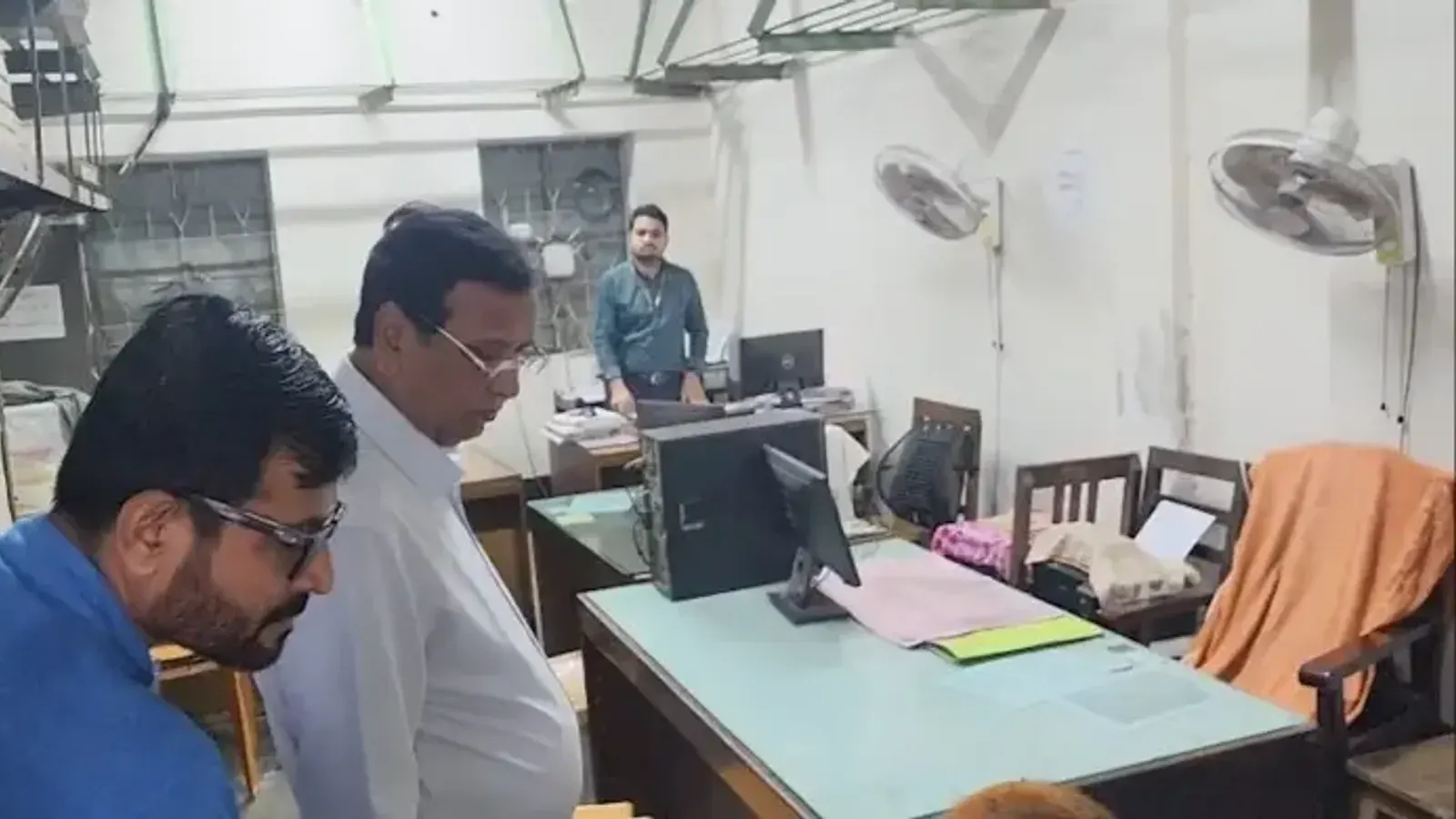
The issue gained high-level official attention on April 9, 2025, when Syeda Rizwana Hasan, who was serving as the adviser to the interim Ministry of Environment, Forest and Climate Change at the time, conducted an official inspection visit to the Gazipur Safari Park. During her comprehensive tour of the facility, she directly observed the deplorable housing conditions of the leopards and subsequently issued strict directives for a proper enclosure to be constructed for them without further delay.
Weighing in on the situation, Jahangirnagar University professor Monirul H. Khan emphasized the biological and operational contradictions of keeping large cats in such prolonged confinement. He noted that while keeping animals in quarantine for a maximum of four weeks is scientifically justified to ensure they remain pathogen-free, extending that isolation for years violates the core philosophy of wildlife facilities.
Professor Monirul H. Khan further explained that the primary purpose of establishing a safari park is to house animals in relatively open and natural environments, making the practice of keeping creatures locked inside tiny rooms for years completely contrary to that concept. He strongly concluded that just as tigers and lions are managed, suitable enclosures must be built urgently for the leopards as well, alongside key officials like M.K.M. Iqbal Hossain Chowdhury representing the broader administrative framework of the Forest Department.