

Jashore Cracks Down on Adulterated Food Amid Rise in Child Illness
Authorities in Jashore have launched a major crackdown on adulterated and substandard food items following a concerning surge in food poisoning cases among children. Multiple raids across the district have resulted in heavy fines, jail terms, and the seizure of fake products.
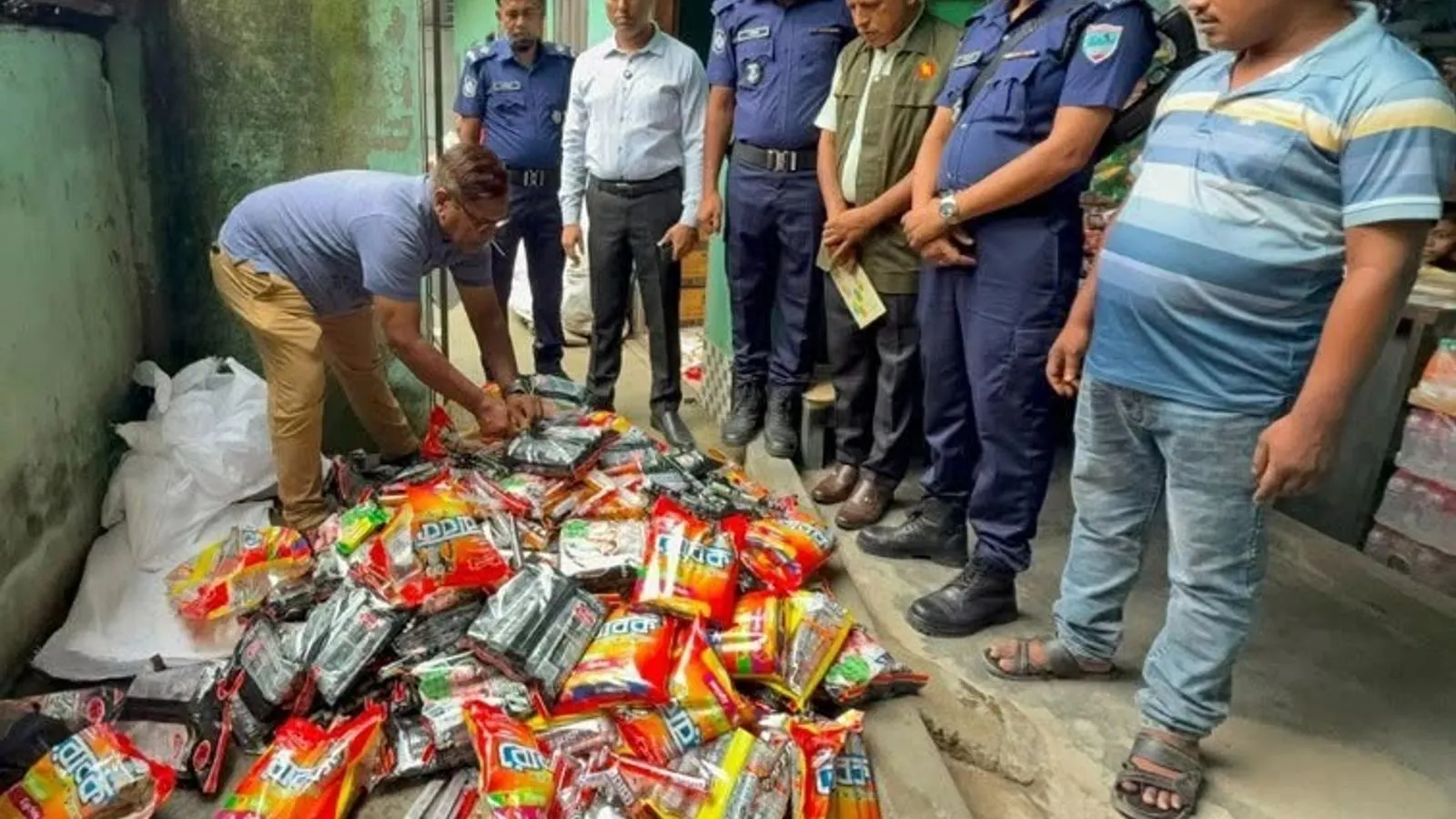
A sharp rise in child food poisoning admissions at Jashore General Hospital has prompted a comprehensive regulatory crackdown on substandard and adulterated food products across Jashore, Bangladesh. Over the past week, a total of 15 children—comprising 10 boys and five girls—were admitted and treated specifically within the hospital’s diarrhoea ward. Medical professionals have directly linked these alarming hospital admissions to the consumption of unauthorised and potentially toxic packaged foods widely available in the local market.
Addressing the severe health risks posed by these contaminated products, Dr Nazmus Sadiq issued a stark medical warning regarding the chemical additives frequently found in fraudulent food items. "Unauthorised textile dyes and chemicals used in food can enter children’s bloodstream and impair the functions of the liver and kidneys. They can also increase the risk of cancer," Dr Nazmus Sadiq stated, highlighting the long-term dangers facing young consumers.
To combat this escalating public health crisis, a coordinated enforcement effort involving the district administration, the Directorate of National Consumers’ Right Protection, the Bangladesh Food Safety Authority, and Rab-6 has been deployed. Authorities have conducted more than a dozen targeted anti-adulteration drives across Jashore this year. During a raid on Riva Foods, enforcement teams seized large quantities of illicit products bearing fake Bangladesh Standards and Testing Institution (BSTI) seals with an estimated market value of around Tk 5 lakh.
Further intensifying the region-wide sweep, a joint raid executed on April 5 in Keshabpur’s Verchi village successfully uncovered and seized thousands of litres of adulterated liquid milk. The milk operator responsible for the illegal production was promptly penalized with a fine of Tk 2 lakh. In a separate judicial action, the owner of Bismillah Madhu Trading faced swift punishment for manufacturing substandard honey and various other food items, receiving a sentence of six months in jail alongside a Tk 50,000 fine.
Amid these ongoing enforcement actions, medical experts and local stakeholders are calling for even stricter systemic oversight to permanently dismantle illegal manufacturing networks. Emphasizing the necessity for rigorous prevention, Dr Nazmus Sadiq urged that "the masterminds behind this racket must be identified and given exemplary punishment. At the same time, BSTI officials and sanitary inspectors need to strengthen market monitoring" to protect vulnerable children from recurrent exposure to hazardous chemicals.