Dhaka Unveils 2026 Hawker Management Policy to Regulate Street Vendors
The Dhaka South City Corporation hosted a consultation meeting to release the 2026 hawker management policy on August 17, 2026. The new framework introduces registration fees, digital ID cards, and designated spaces to balance vendor livelihoods with pedestrian access.
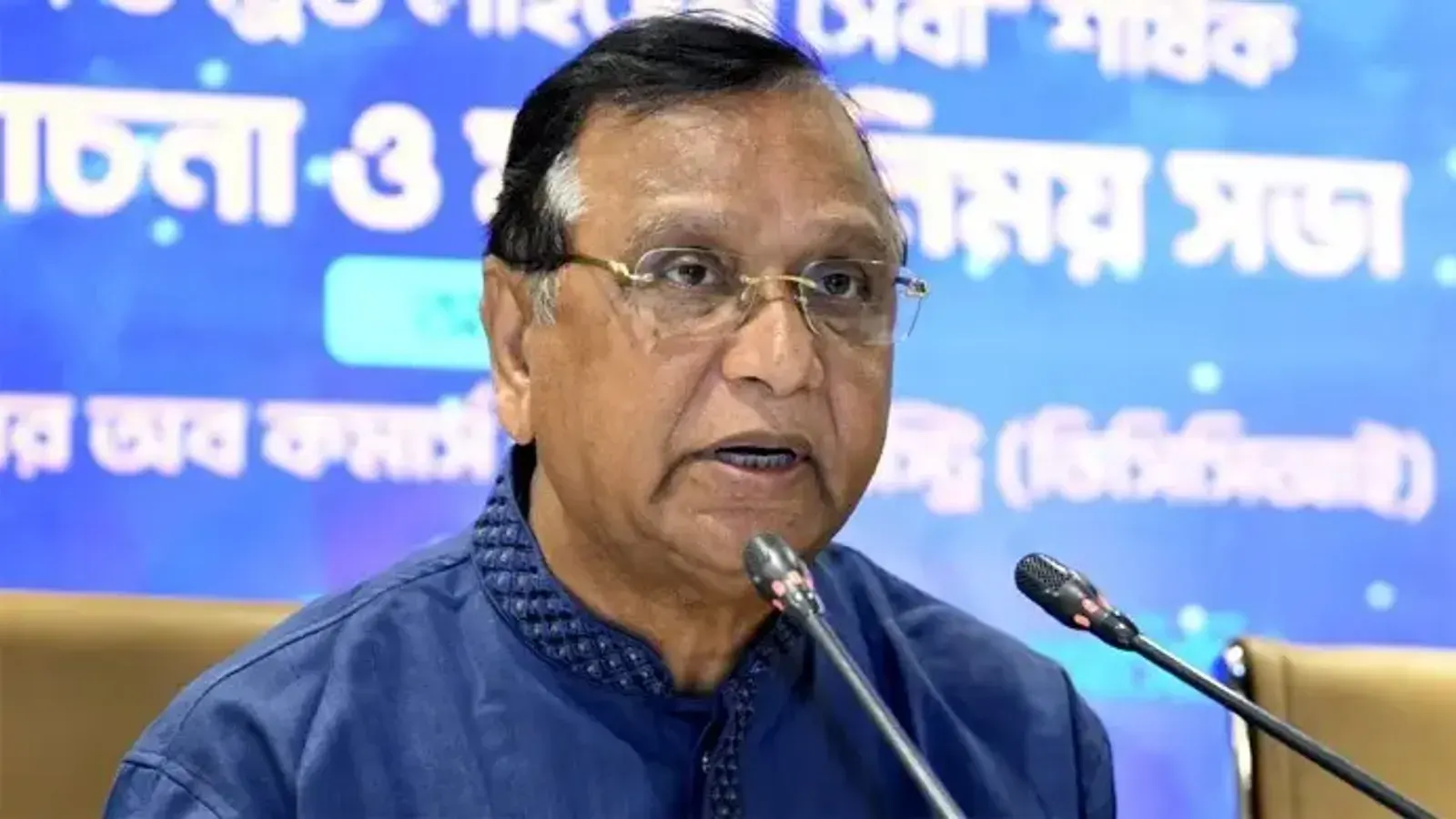
On August 17, 2026, a significant consultation meeting was held at the Nagar Bhaban Auditorium in Dhaka to officially release the 'Dhaka City Hawker Management Policy-2026'. The event brought together key stakeholders to discuss structured approaches for managing street vendors across the capital under a framework published by the Local Government Division.
During the event, Md. Abdus Salam, Administrator of the Dhaka South City Corporation (DSCC), emphasized the necessity of a structured approach. He stated that there is no alternative to orderly hawker management to ensure proper facilities for the city and its citizens, noting that the DSCC does not want to shut down vendors' livelihoods, although it is impossible to rehabilitate all floating people from across the country in Dhaka.
Elaborating on the financial and administrative framework, the policy establishes specific fee structures for vendors. Hawkers will be required to pay a one-time registration fee of 5,000 taka, an annual renewal fee of 2,500 taka, and a monthly space usage and waste management fee of 3,000 taka. Furthermore, to be eligible for hawker registration, applicants must be at least 18 years of age.
Addressing the physical organization of the streets, Md. Abdus Salam stressed that hawkers will not be allowed to set up on main roads under any circumstances. However, on streets with wide footpaths, a specific number of registered hawkers will be granted business opportunities, provided that a minimum of 1.5 meters—approximately 5 feet—of space is kept open for pedestrian movement. For other vendors, holiday markets and night markets will be introduced.
To ensure transparency and enforcement, registered hawkers will be provided with digital identification cards featuring barcodes or QR codes. In addition, the policy incorporates social equity measures by reserving 30 percent of the allocated spaces specifically for female and disabled hawkers.
Concluding the consultation, Md. Abdus Salam reiterated the long-term vision of the initiative, stating that a lasting and sustainable solution to the hawker problem is urgently needed. Vendors must register and regularly renew their status through fees determined by the government, and adhering to discipline regarding designated roads and operating hours is vital for achieving a sustainable resolution.