Chuadanga Arsenic Crisis Ignored as Officials Report Zero Cases
Villagers in Chuadanga are falling ill and dying from arsenic-laced water while local health authorities report zero cases to the Directorate General of Health Services. A three-member team visited Gopinathpur village on Wednesday following the crisis.
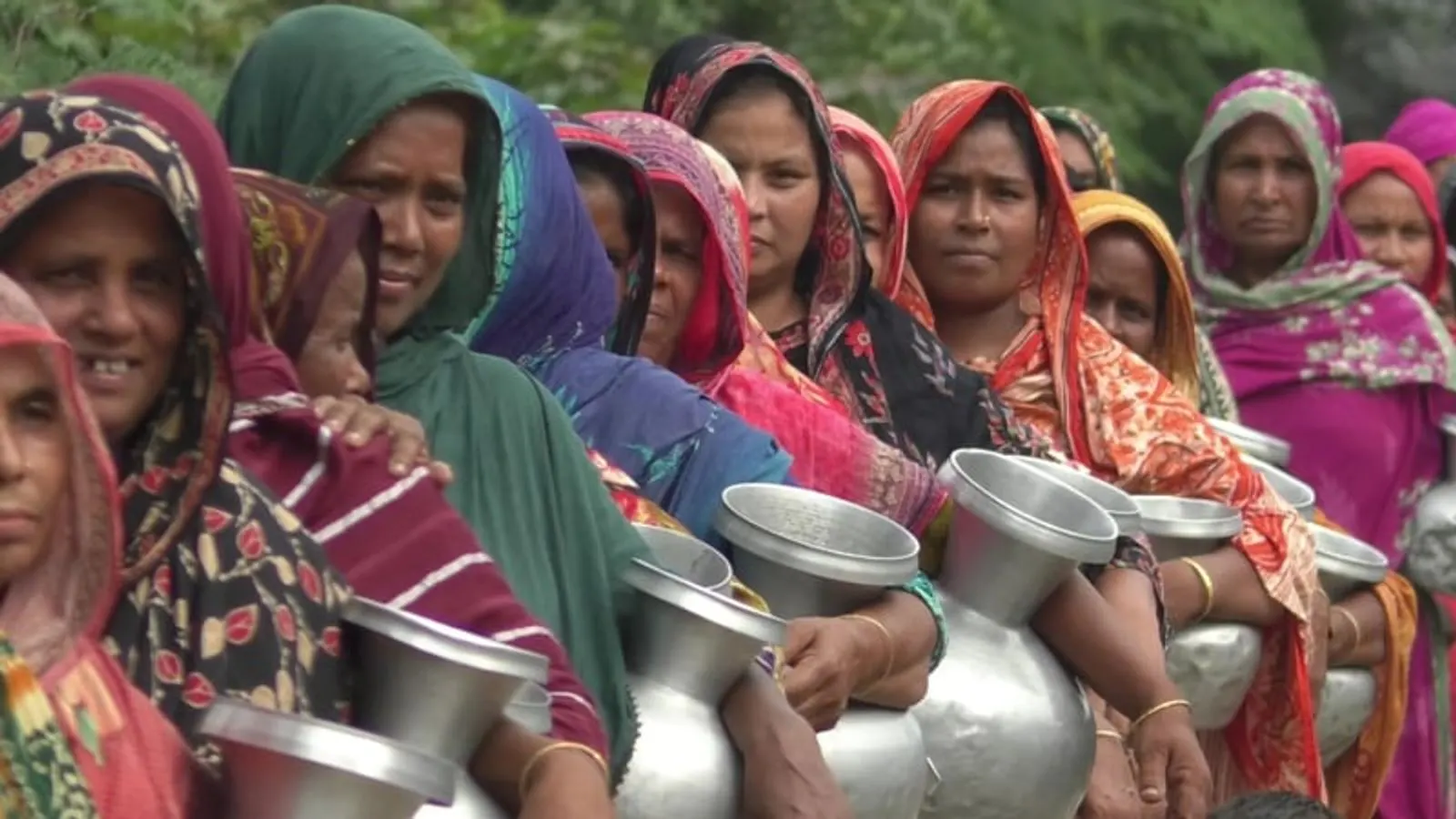
A severe health crisis has emerged in several villages across Chuadanga, where residents are suffering from illnesses and facing fatalities due to the consumption of arsenic-contaminated and unsafe drinking water. Local communities in areas including Gopinathpur and Baro Dudhpatila in Damurhuda upazila, as well as Dihi, Krishnapur, and Begampur in the sadar upazila, have been heavily impacted by the hazardous water conditions plaguing the region.
Despite the widespread suffering and casualties occurring within these rural communities, official documentation has completely contradicted the grim reality on the ground. The district health department has officially reported to the higher authorities that the number of arsenic-affected patients in the Chuadanga district stands at zero.
This conflicting stance by the local health administration has raised serious concerns regarding how the ongoing public health emergency is being monitored and addressed. By submitting reports claiming an absolute absence of arsenic-related illnesses to the Directorate General of Health Services, the district health department has effectively overlooked the severe dangers faced by local villagers who continue to rely on unsafe water sources.
Amid growing scrutiny over the inaccurate reporting and the worsening conditions in the affected areas, local authorities have initiated brief localized inquiries. On Wednesday morning, a specially constituted three-member delegation representing the district health department visited Gopinathpur village to inspect the situation firsthand.
The alarming situation highlights a stark contrast between official administrative records and the lived experiences of villagers in Chuadanga. While the district health department's reports suggest a complete lack of affected individuals, the toll of unsafe water consumption persists across the various impacted villages in the district.