The Science of Washing Rice: Dust, Arsenic, and Microplastics
A detailed look at the scientific reasons and methods for washing rice before cooking, based on findings from international food authorities and studies. The practice helps remove dust, starch, and certain contaminants like microplastics and inorganic arsenic.
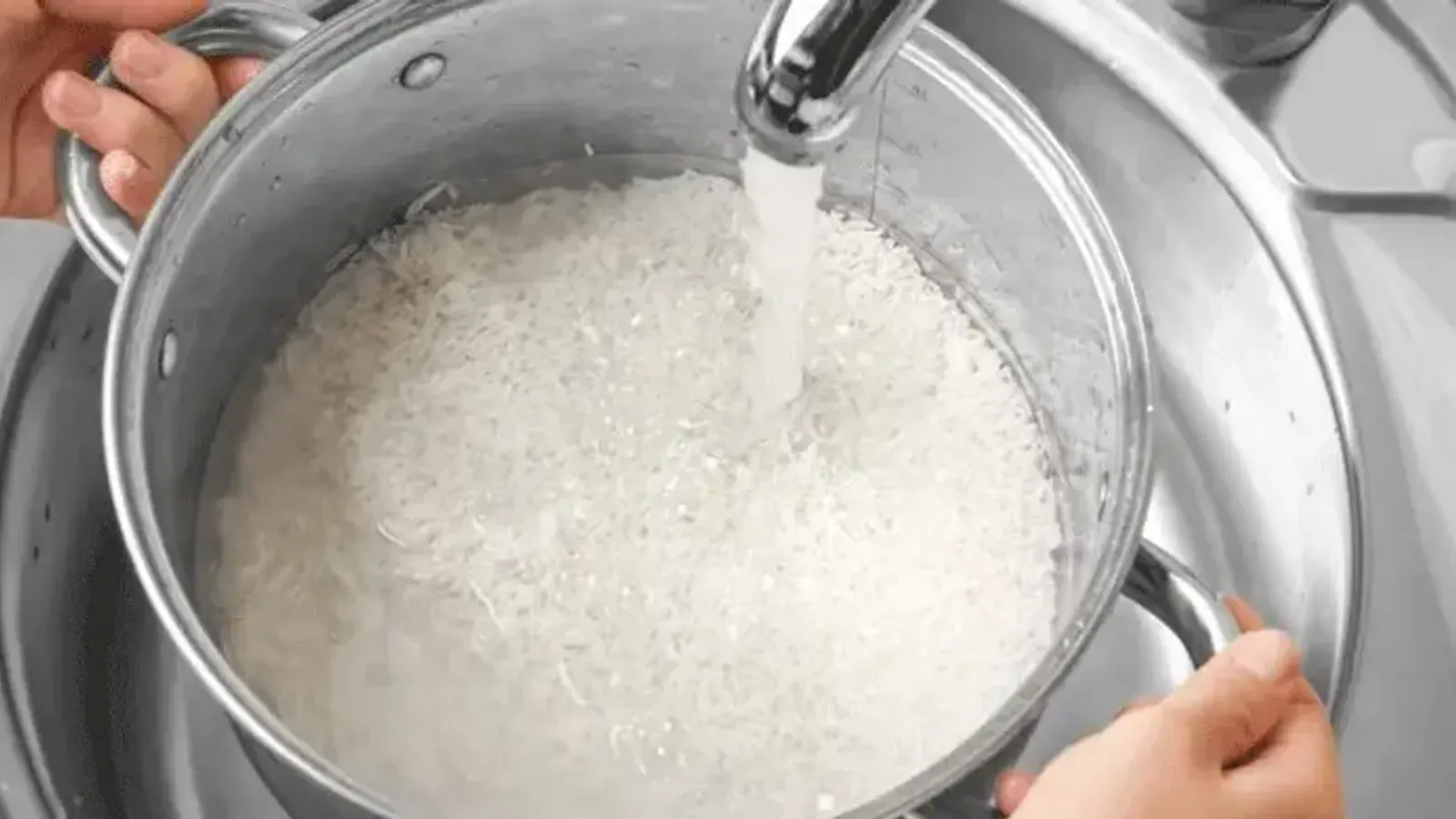
When preparing rice for a meal, the step of washing the grain before cooking serves several practical and hygienic purposes. According to reports dated August 22, 2026, various stages of production, including the conversion of paddy into rice, transportation, and storage, often result in dust, husk, or other microscopic particles mixing with the grains. Washing the rice effectively cleans away these unwanted foreign particles that accumulate along the supply chain before the product reaches the consumer's kitchen.
Beyond basic cleanliness, the culinary technique of rinsing rice plays a significant role in determining the final texture of the cooked dish. Washing the grains helps to eliminate excess surface starch. When this surplus starch is washed away prior to boiling or steaming, it prevents the cooked grains from becoming overly sticky, ensuring that the resulting rice turns out light and fluffy with distinct, separated grains.
In addition to improving texture and removing dust, washing rice has documented scientific implications regarding food safety and environmental contaminants. Research indicates that rice absorbs inorganic arsenic from the environment at higher rates than many other cereal crops. To address this, specialized cooking methods have been studied; for instance, cooking one part rice with six to ten parts water and discarding the excess liquid can reduce inorganic arsenic by 40 to 60 percent in certain types of rice.
Furthermore, contemporary environmental concerns regarding food supplies have led to investigations into modern pollutants. According to a study conducted in 2021, washing rice in water prior to the cooking process can successfully reduce certain types of plastic particles by 20 to 40 percent. These findings highlight how a simple kitchen routine provides measurable benefits in mitigating modern environmental contaminants.
The insights regarding these washing and cooking methods draw upon information and data referenced by notable organizations and publications, including the Food and Drug Administration (FDA), the Food and Agriculture Organization (FAO), and Hindustan Times. While different varieties of rice may require specific handling, the fundamental science behind cleaning the grains remains consistent across global culinary practices aimed at optimizing both safety and meal quality.