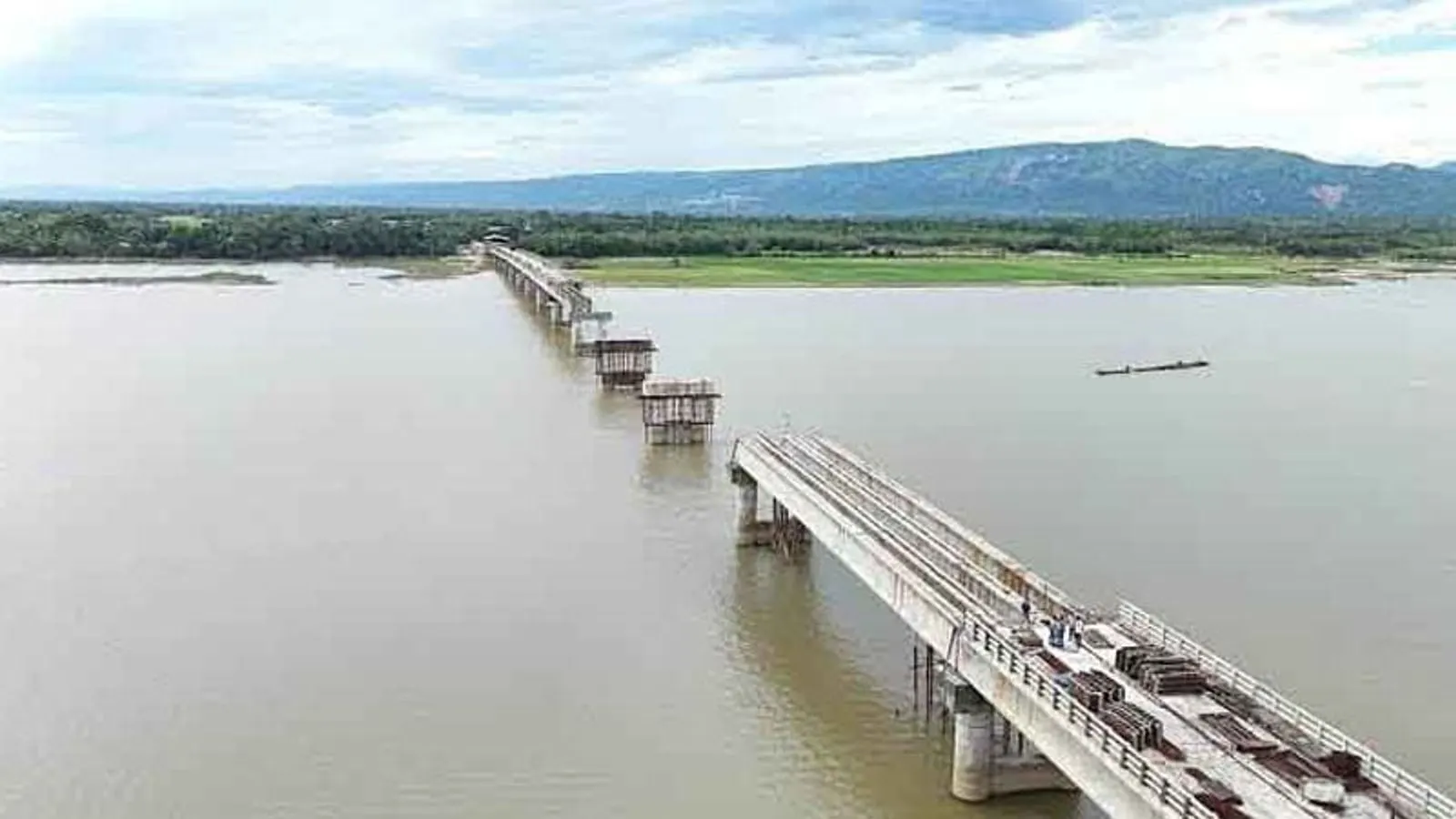
Chittagong's Aging Dewanhat Bridge Faces Rebuild Challenges Amid New Elevated Infrastructure
The dilapidated Dewanhat Bridge in Chittagong faces severe space constraints for reconstruction due to newer elevated expressways and overpasses. Authorities are now considering retrofitting the nearly 50-year-old structure to strengthen its load-bearing capacity.
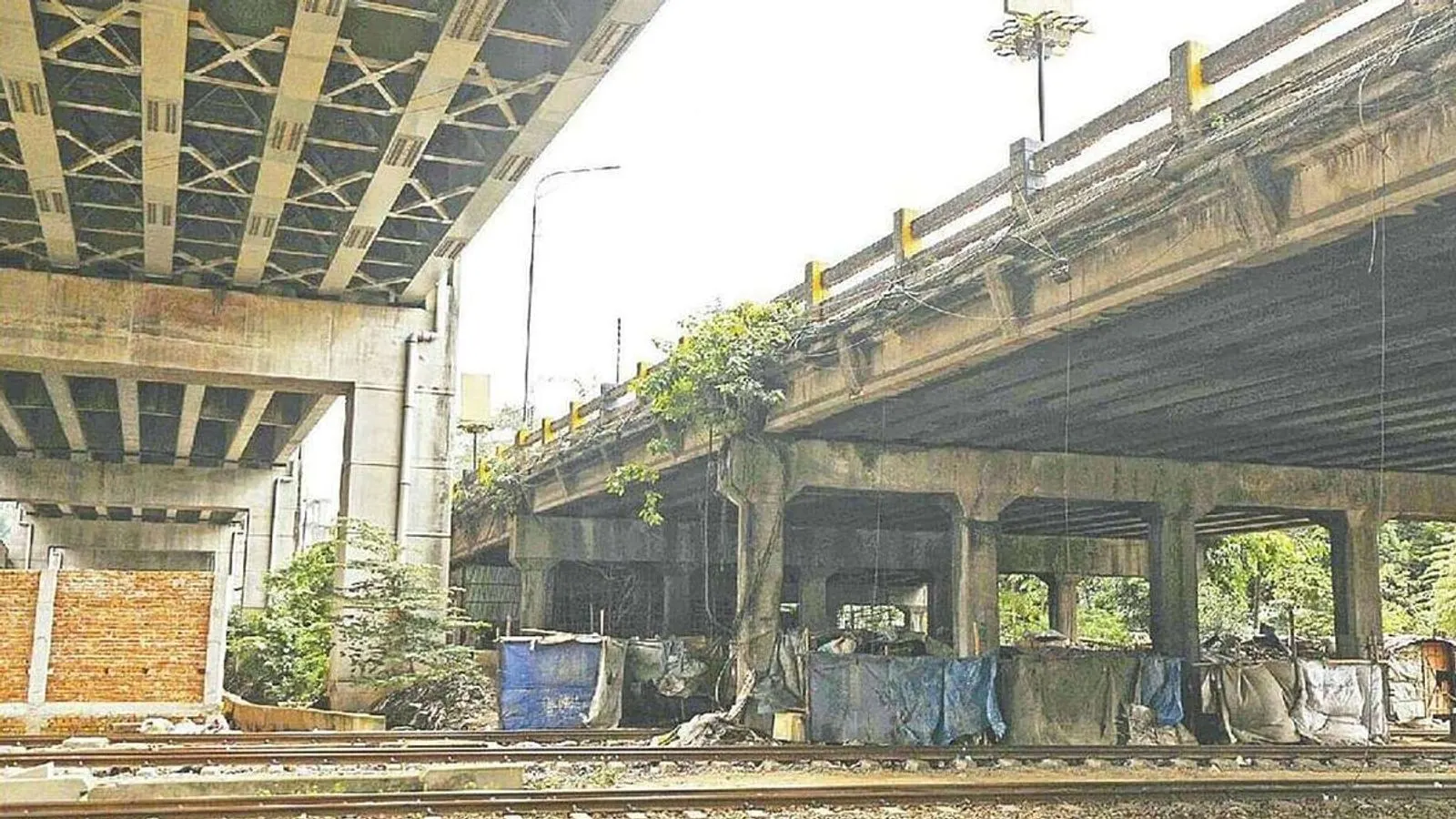
The aging and dilapidated Dewanhat Bridge in the port city of Chittagong serves as a vital connection linking the northern and southern parts of the urban area. Built between 1978 and 1980, the bridge spans across the Dhaka-Chittagong railway line from Tigerpass to Dewanhat. Maintenance of the crucial transport link is currently under the jurisdiction of the Chittagong City Corporation, highlighting its continued importance for local municipal administration.
Statistical data underscores the heavy reliance on the infrastructure, with at least 75,000 vehicles utilizing the 60-foot-wide bridge every single day. Originally constructed nearly half a century ago, the bridge now faces complex structural and spatial hurdles. Survey findings and official reports released at 11:30 am yesterday detailed the multifaceted engineering challenges currently affecting the location in Chittagong.
Significant changes to the surrounding transport network have complicated future reconstruction efforts for the roughly 50-meter-long structure. The Dewanhat Overpass was officially inaugurated and put into service in 2013, followed by the opening of the elevated expressway—known as the Shaheed Wasim Akram Elevated Expressway—for vehicular traffic in August 2024. Both of these newer transit projects were implemented and overseen by the Chittagong Development Authority, reshaping the traffic flow and spatial dynamics of the area.
According to current railway regulations, the clearance height from the railway tracks to the bridge must be at least eight and a half meters. However, the height from the railway line to the current bridge sits at only five and a half meters. Furthermore, constructing a brand-new bridge would require extending the length from the existing 50 meters to approximately 160 meters to meet modern safety and design standards.
Because the recently constructed elevated expressway and overpass have created severe space shortages in the surrounding zone, executing a complete rebuild according to standard railway policies has become exceptionally difficult. Consequently, instead of tearing down the structure entirely, engineers and planners are actively considering retrofitting the existing bridge as a viable alternative.
Implementing the proposed retrofitting measures would yield substantial technical benefits for the aging municipal asset. Experts estimate that such engineering interventions could increase the bridge's load-bearing capacity by approximately 45 percent. Additionally, successfully completing the retrofitting process would effectively extend the operational lifespan of the Dewanhat Bridge by another 25 to 30 years.