
Capital Market Crisis Discussed at Open Dhaka Event
An open discussion in Dhaka addressed the current state and future of Bangladesh's capital market. Organized by DBA, the event featured remarks from key financial figures including BSEC Chairman Masud Khan.
An open discussion titled 'Current Situation and Future Action Plan of the Capital Market' was held in Dhaka on August 31 to evaluate the challenges facing the country's financial sector. The event brought together prominent industry stakeholders and regulatory figures to analyze the prevailing economic conditions and discuss necessary interventions for market stabilization. The gathering served as a critical platform for addressing the multifaceted issues currently impacting investor confidence and stock exchange performance.
The event was officially organized by the Dhaka Stock Exchange (DSE) Brokers Association of Bangladesh (DBA). Leaders from various related organizations, including the Dhaka Stock Exchange (DSE), the Bangladesh Securities and Exchange Commission (BSEC), IDLC Investment Limited, and BAPLTC, participated in the deliberations. The presence of these key institutions underscored the gravity of the situation and the collective effort required to navigate the ongoing market downturns.
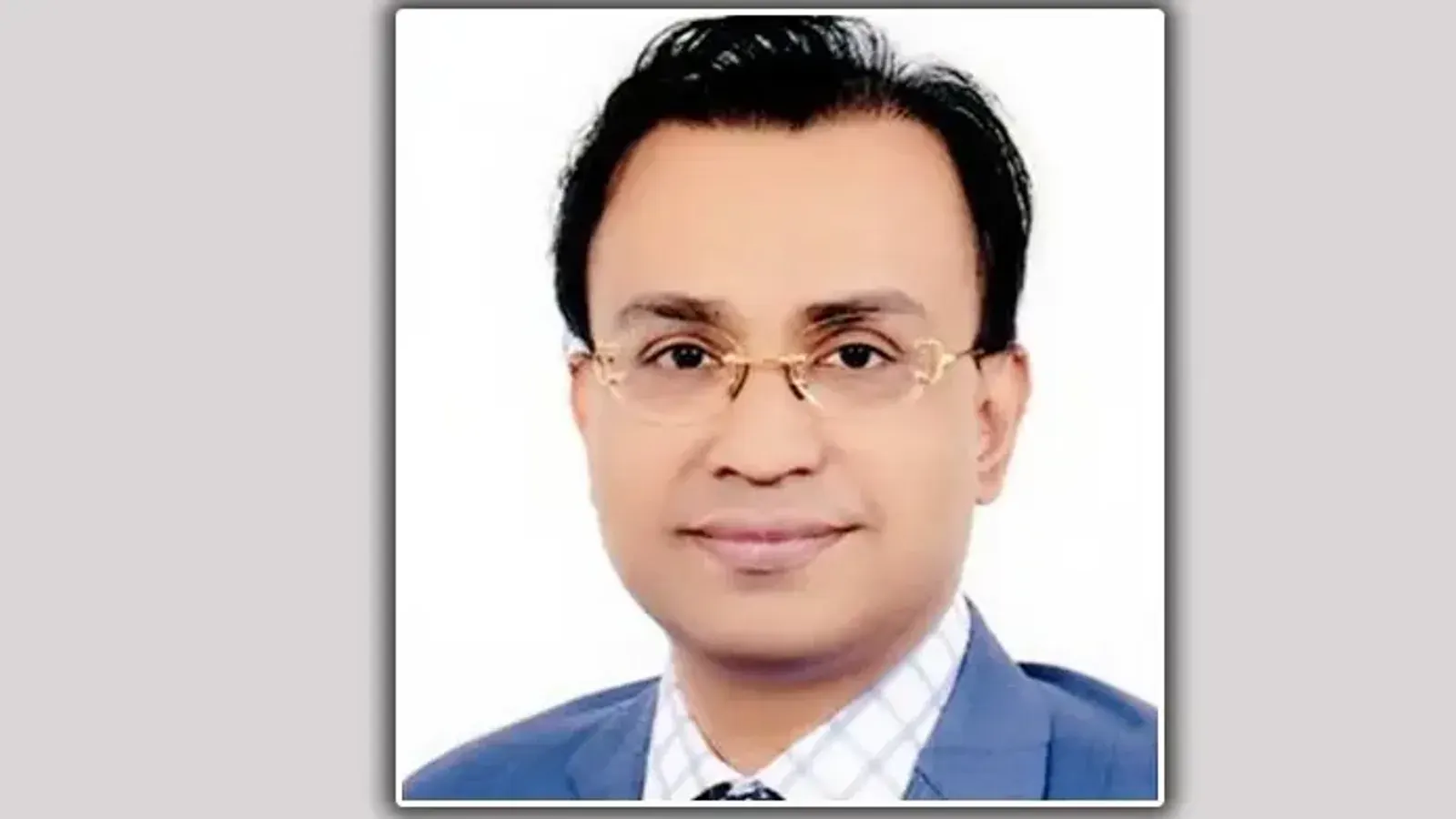
Bangladesh Securities and Exchange Commission (BSEC) Chairman Masud Khan attended the high-profile discussion as the chief guest. His participation highlighted the regulatory body's engagement with market intermediaries and brokers regarding the pressing concerns of investors and listed corporations. Other notable individuals present at the venue included Riad Mahmud, Masud Khan himself, Saiful Islam, Mominul Islam, Nuzhat Anwar, Md. Moniruzzaman, and Mesbah Uddin, all contributing their perspectives to the discourse.
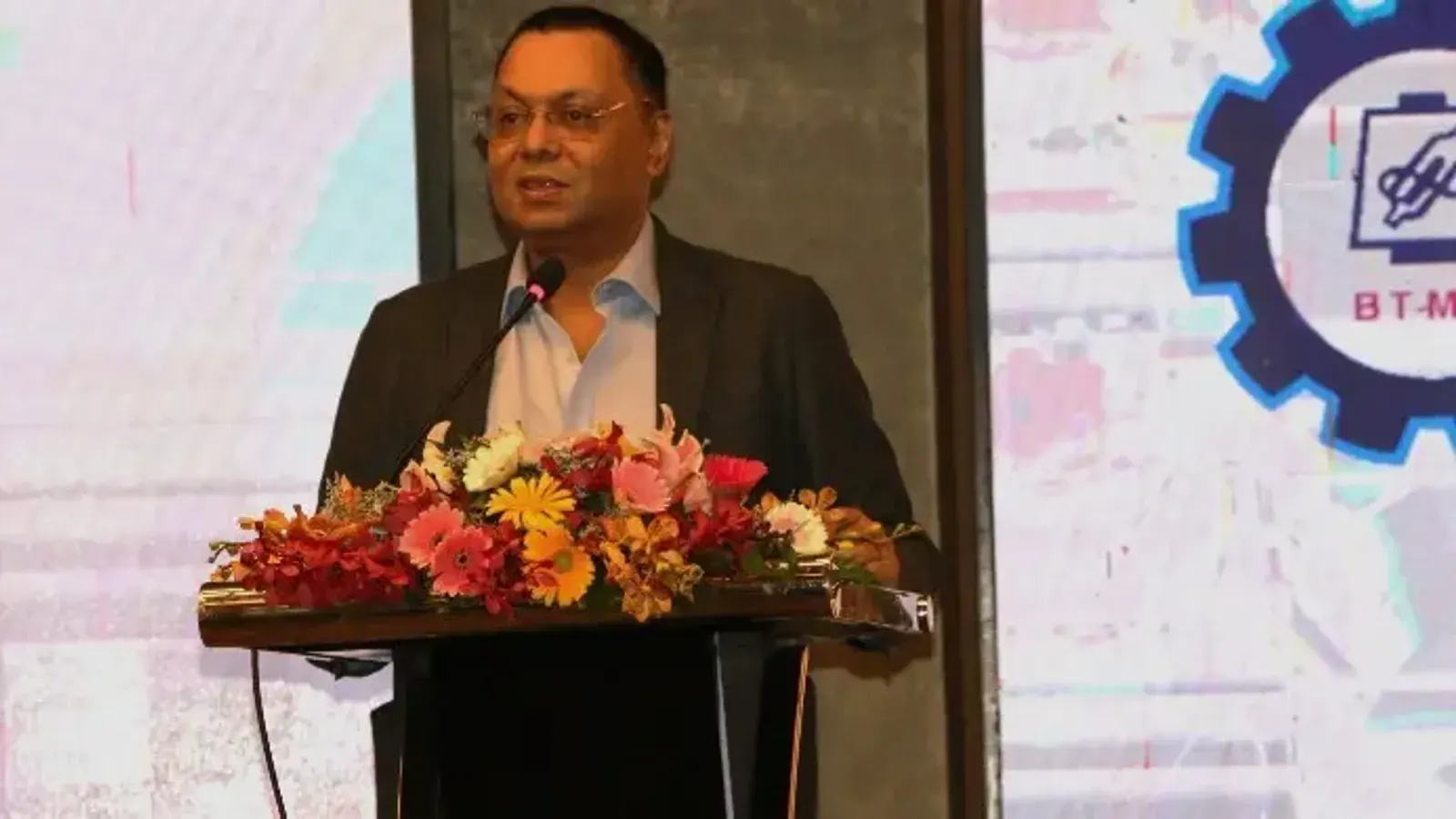
During the open discussion, Riad Mahmud delivered pointed remarks regarding the culture of criticism directed at regulatory bodies. He stated that because the market is not performing well, commission members are being subjected to harsh criticism and abuses. However, he emphasized that the issuer companies listed on the market have their own internal problems, and these pre-existing issues have now been compounded by a newly emerged energy crisis affecting industrial operations.
Addressing the severity of the economic situation, Riad Mahmud warned that the current challenges have escalated beyond casual discussions. He remarked that this is no longer just a 'table talk,' but rather a situation where a major crisis is feared to be developing on the horizon. Furthermore, he criticized short-term trading behaviors, noting that investors put money in the market in the morning, and as soon as prices rise slightly, they sell off their holdings again, warning that the market is slowly turning into a market for day traders, which is undesirable.
Concluding his observations, Riad Mahmud argued that the regulatory commission cannot be solely blamed for the daily gains and losses experienced by individual investors. Instead, he asserted that it is much more important to evaluate whether the fundamentals of the listed companies are actually becoming stronger over time, urging a shift in focus toward long-term corporate health rather than superficial market movements.