
Bangladesh Research Highlights Nipa Palm Origins and Harvest in Sundarbans
New research and analysis examines the origin, characteristics, commercial use, and traditional harvesting of the Nipa palm, known locally as Golpata or Golgas, in Bangladesh and globally. The comprehensive study details the physical dimensions of the plant and the seasonal livelihoods tied to the Sundarbans.
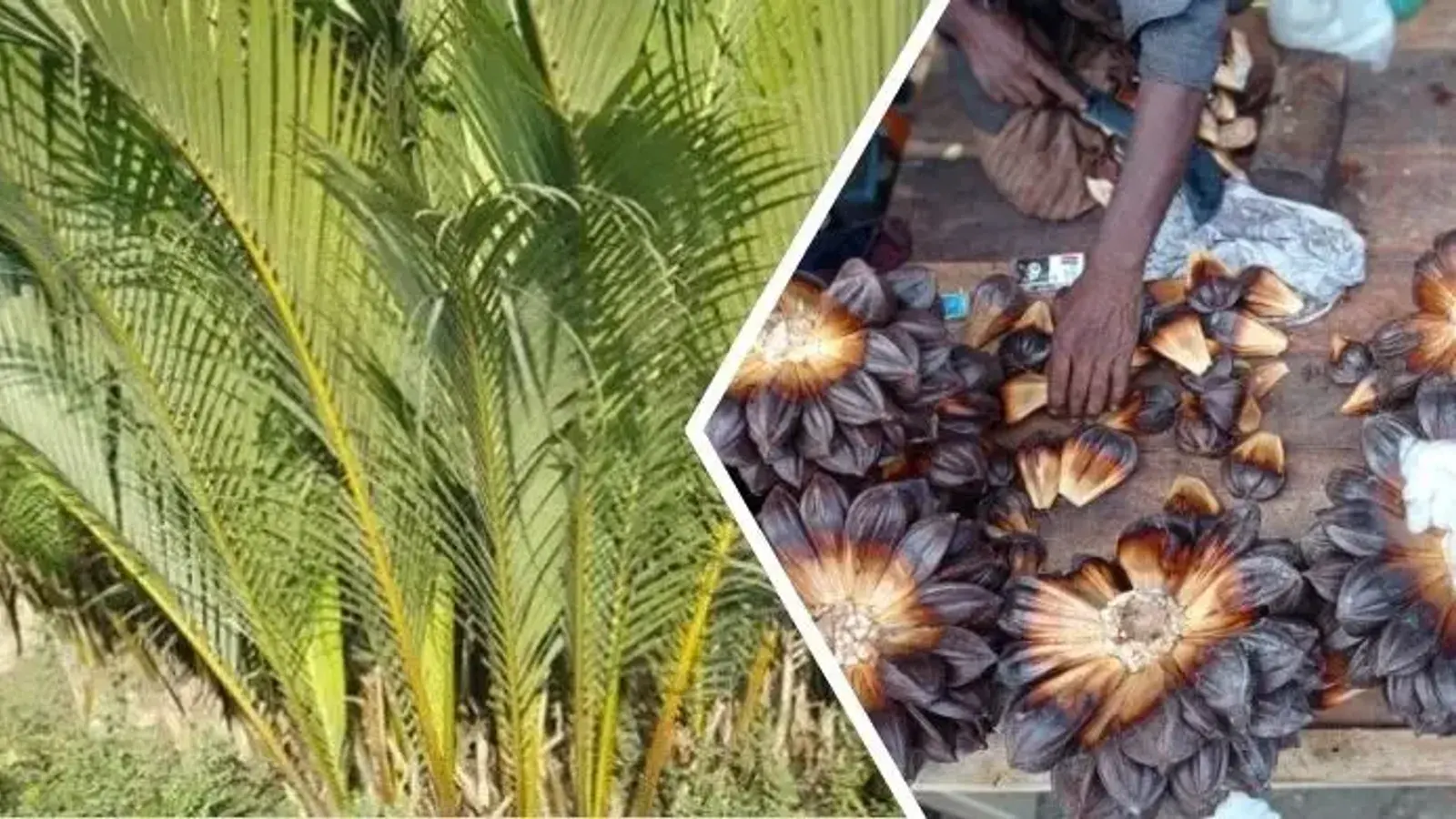
A detailed research and analysis report published on 31 August 2026 has shed light on the origin, characteristics, commercial use, and harvesting of the Nipa palm, which is locally known as Golpata or Golgas in Bangladesh and globally. The scientific name of the Gol tree is Nypa fruticans, and it is commonly referred to in English as the Nipa palm. This comprehensive assessment provides an in-depth look at the botanical features of the plant as well as its socio-economic importance within the region.
The physical characteristics of the Nipa palm are notably distinctive and robust. According to the research findings, Golpata typically grows to lengths of more than 20 to 25 feet and reaches a width of 1.5 to 2.0 meters. Each plant generally produces between 7 and 10 Golpata leaves. Furthermore, the head of the flower measures approximately 30 centimeters in diameter, showcasing the plant's unique structural dimensions in its natural habitat.
The reproductive and fruiting phases of the Nipa palm yield specific quantitative measurements. Each individual seed measures between 3 to 4 inches in length. A mature normal Gol fruit typically weighs between 50 and 105 grams, though the data also notes a weight range of 50 to 100 grams. Additionally, every single bunch of these fruits contains approximately 50 to 150 seed-fruits, highlighting the abundant yield associated with each flowering cycle.
Commercial use and traditional harvesting methods form a vital component of the local economy in Bangladesh. The official season for collecting Golpata from the Sundarbans runs annually from January to March. During this designated period, traditional collectors known locally as Bawalis embark on missions to gather Golpata from specific wells or zones authorized by designated permits.
The scale of the annual harvest operation in the Sundarbans is substantial, involving thousands of workers and watercraft. Approximately 30,000 Bawalis dive into the mission of collecting Golpata during the season within the specified reference zones. To support this large-scale operation, at least 5,000 boats of various sizes are utilized to navigate the waterways and transport the harvested materials.
Ultimately, the seasonal activities result in significant commercial output for the region. Annually, between 70,000 and 80,000 metric tons of Golpata are successfully collected from the Sundarbans. This extensive harvesting process sustains the livelihoods of the local collectors and underscores the enduring economic relevance of the Nipa palm in Bangladesh.