
BNP Leaders Praise Tarique Rahman's Leadership and Sacrifice
Senior BNP leaders Ruhul Kabir Rizvi and Amanullah Aman have highlighted the political role and personal sacrifices of Prime Minister Tarique Rahman. They emphasized that the administration will consistently prioritize the welfare of the general public.
Senior leaders of the Bangladesh Nationalist Party (BNP) have recently made significant remarks regarding the political role and contributions of Prime Minister Tarique Rahman, drawing attention to his dedication to the nation. The discussions underscored the current administration's steadfast commitment to serving the interests of ordinary citizens above all else within the country's political landscape.
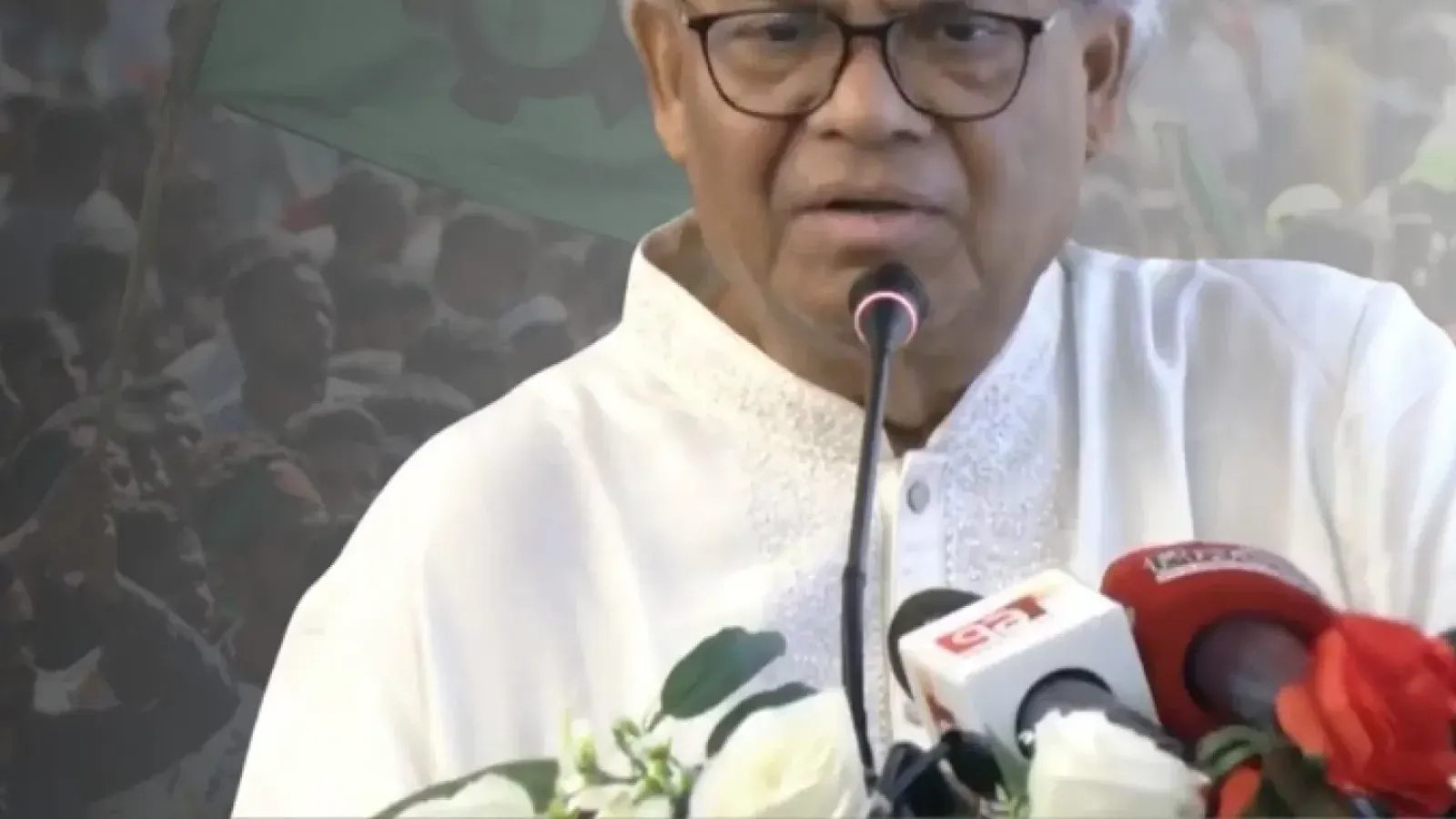
During these discussions, Ruhul Kabir Rizvi, serving as a member of the BNP Standing Committee, made strong assertions regarding the motivations driving the current leadership. He explicitly stated that this administration will not take a single step that falls outside the direct interests of the general public. Elaborating further on the character and dedication of the Prime Minister, Rizvi noted that Mr. Tarique Rahman harbours no personal ambitions or interests whatsoever.
Reinforcing this perspective on personal sacrifice, Rizvi added a powerful and definitive assessment of the Prime Minister's life and dedication to the nation. He remarked that Mr. Rahman has entirely dedicated his life and his entire mindset to the service of the country. According to the senior BNP leader, every action and endeavor undertaken by the Prime Minister is rooted in an unwavering commitment to the welfare of the people of Bangladesh.
Adding to the dialogue, Amanullah Aman, who also serves as a member of the BNP Standing Committee, focused on the personal demeanor and historical struggles of the Prime Minister. Aman pointed out that Prime Minister Tarique Rahman lives and moves about simply, much like any ordinary citizen. This accessible and grounded approach to daily life, according to Aman, reflects a deep-rooted connection to the people he serves and leads.
Amanullah Aman also reflected on the historical political struggles and hardships endured by the Prime Minister during earlier periods of national turbulence. He reminded observers of Mr. Rahman's active role during the anti-autocracy democratic movement of the 1990s. Furthermore, Aman referenced the severe mistreatment faced by the Prime Minister, recalling how he was subjected to persecution and torture while confined to his residence on Moinul Road.