

Bangladesh Health Ministry Steps Up Measles and Rubella Vaccination
The Ministry of Health in Dhaka has held an inter-agency coordination committee meeting to strengthen measles and rubella vaccination efforts and disease management. Officials reviewed vaccination statistics and decided to improve immunization coverage in small, missed-out areas across the country.
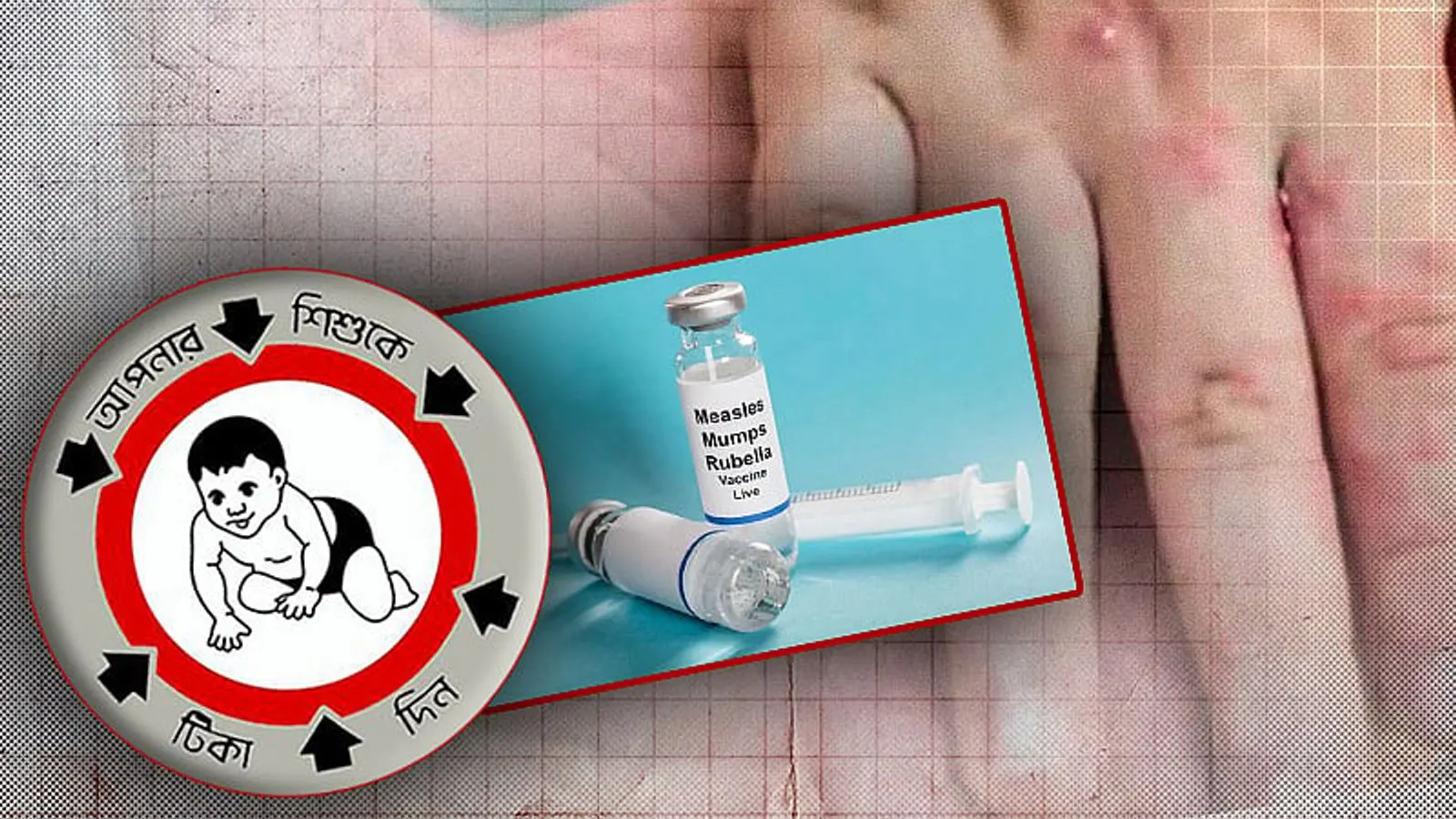
A high-level inter-agency coordination committee meeting focusing on measles and rubella vaccination and disease management was recently held at the Ministry of Health in Dhaka, Bangladesh. The crucial session brought together various health authorities and international partners to review the ongoing nationwide immunization efforts and address remaining gaps in disease prevention among vulnerable populations.
The meeting was presided over by Health Secretary Md. Kamruzzaman Chowdhury, who led discussions on optimizing vaccination strategies and ensuring adequate medical management for affected individuals. During the proceedings, officials from the health sector evaluated detailed demographic data concerning recent measles cases to better understand the transmission patterns across different age brackets within the population.
According to the statistical data presented at the meeting, infants under the age of six months account for 10 percent of the affected patients. Meanwhile, children aged between 6 months and 59 months represent the largest demographic at 74 percent, followed by children aged 5 to 10 years at 14 percent, with the remaining 2 percent comprising individuals aged 10 to 14 years or older.
Reviewing the nationwide vaccination campaign progress from April 5 through August 17, authorities confirmed that a total of 19,363,912 children have successfully received a single dose of the measles vaccine. To maintain momentum in ongoing health operations, the ministry confirmed that a current reserve of 1,600,000 measles vaccines remains available in stock.
Building on these deployment figures, the committee officially decided to target small, overlooked pockets and left-out areas across the country. By focusing intensified outreach efforts on these specific communities, health authorities aim to ensure comprehensive immunization coverage and robust disease management moving forward.