Young Generations Drive Shift in Menstrual Health and Body Literacy
Younger generations are driving a massive shift in how society discusses menstrual health, body literacy, and medical conditions like PMOS compared to older generations. Experts and advocates note that while digital platforms and social media have opened up new avenues for public conversation, significant educational gaps and censorship challenges remain.
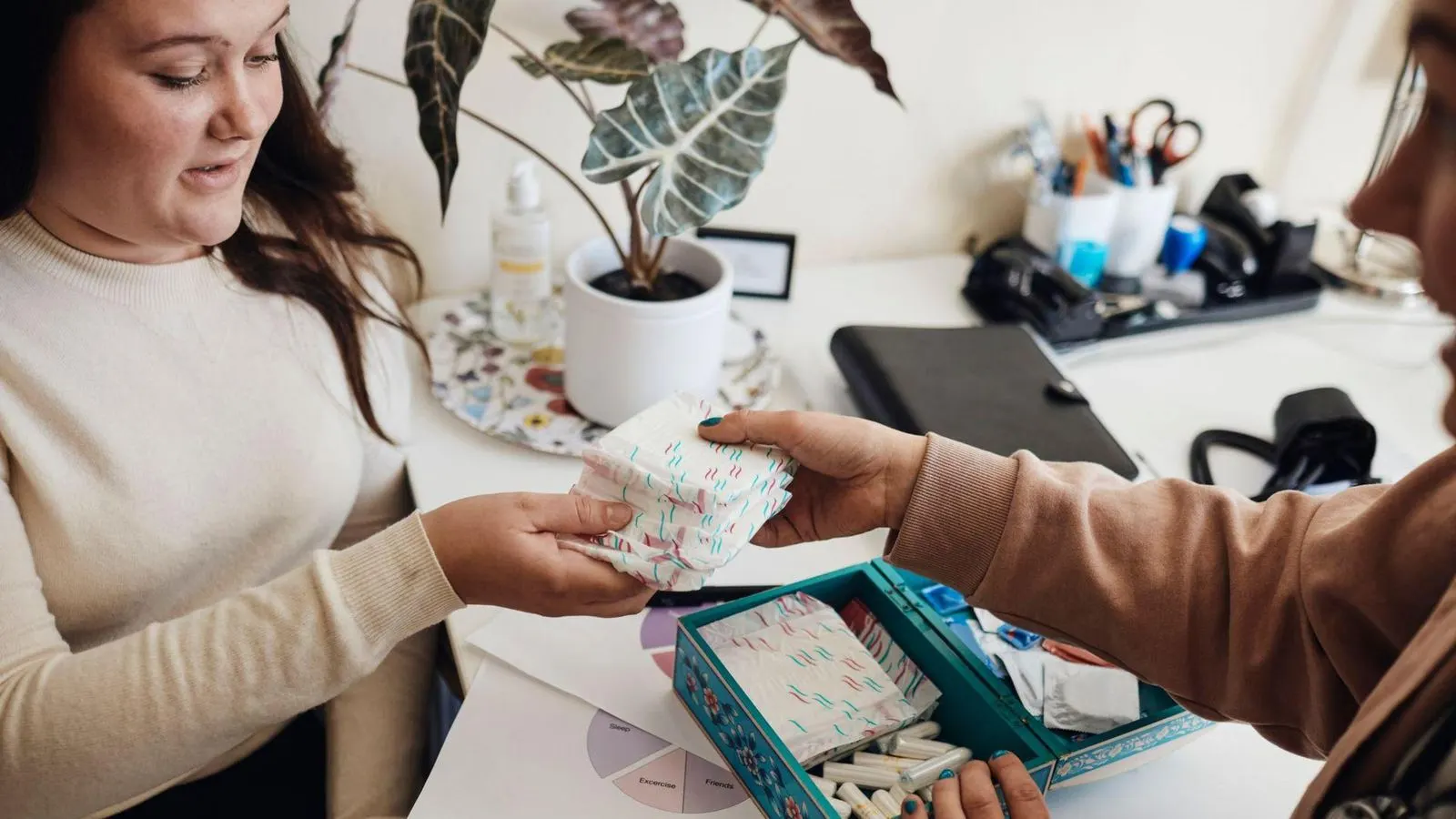
Younger generations are experiencing a notable transformation in how they approach menstrual health, body literacy, and specific medical conditions such as PMOS, contrasting sharply with the experiences of previous generations. Terms like cycle syncing and going luteal have become increasingly common vocabulary for young women navigating these discussions. Statistical data indicates that PMOS affects approximately one in eight women, potentially causing irregular periods, excessive hair growth, weight gain, and female infertility. This growing awareness is fostering entirely new ways for individuals to understand and support their bodies.
Iqra Wasim highlighted the generational shift in knowledge and communication by sharing personal experiences with her family. Wasim recounted that her mother was going through heavy bleeding associated with PMOS and lacked knowledge about birth control options. When Wasim discussed the medicine, her mother initially suspected she was talking about being sexually active, illustrating a significant knowledge gap between them. Wasim observed that while older generations did possess knowledge, it typically remained confined between women, families, or doctors. In contrast, modern individuals can discuss their periods and PMOS online, allowing millions of women to relate, and demonstrating that the current generation is much more willing to ask whether something is normal. However, Wasim also cautioned that social media should not serve as a replacement for a medical professional.
Caroline Herman, co-founder of 'All Yours Period Box'—an organization operating in Wiltshire that donates period products to foodbanks—asserted that a huge amount of work remains to improve menstrual health education. Herman described how generations like hers were taught nothing about periods, creating a layer of silence that required immense effort to fight through. While acknowledging that increased societal discussion is positive, Herman raised concerns about whether the information is high-quality, unbiased, and free from influencer culture where content might not be medically backed. Furthermore, Herman criticized Meta and other platforms for censoring medically correct terms and categorizing them as offensive, emphasizing that proper anatomical terms like vagina, vulva, and clitoris belong in the Relationships and Sex Education (RSE) curriculum.
Beth Lauren emphasized the importance of addressing these topics early to avoid creating a taboo in the first place, noting that kids are naturally open to discussing matters until adults make it scary. Lauren stated the importance of ensuring that boys also receive menstruation education, noting an intention to teach sons just as much as a daughter. Reflecting on her own background, Lauren mentioned that her mother was quite open, but the subject was never discussed in depth, and expressed belief that her mother did not know loads about it then or now. Lauren revealed that the majority of her current knowledge as a 30-year-old woman originated from social media, provided it is consumed with nuance and self-responsibility.
Maisie Hill noted that the overall conversation has become less taboo than it used to be, expanding beyond merely managing a period into understanding body mechanics and support mechanisms. Hill pointed out that although sex education has improved, it remains insufficient, citing parents who incorrectly believe nine-year-olds are too young to hear about periods and fertility, unaware that some children have already started menstruating. Hill concluded that while there has been a tremendous and fantastic increase in body literacy, future efforts must focus on applying this knowledge within educational and workplace settings, alongside improving medical care and access to treatment.