US 15-Year-Olds' Reading Scores Hit Lowest Level in 25 Years
The latest PISA international education assessment survey reveals that reading scores for 15-year-old American students have fallen to their lowest point in 25 years. Meanwhile, top-performing countries like Singapore, Japan, and Korea continue to lead global rankings.
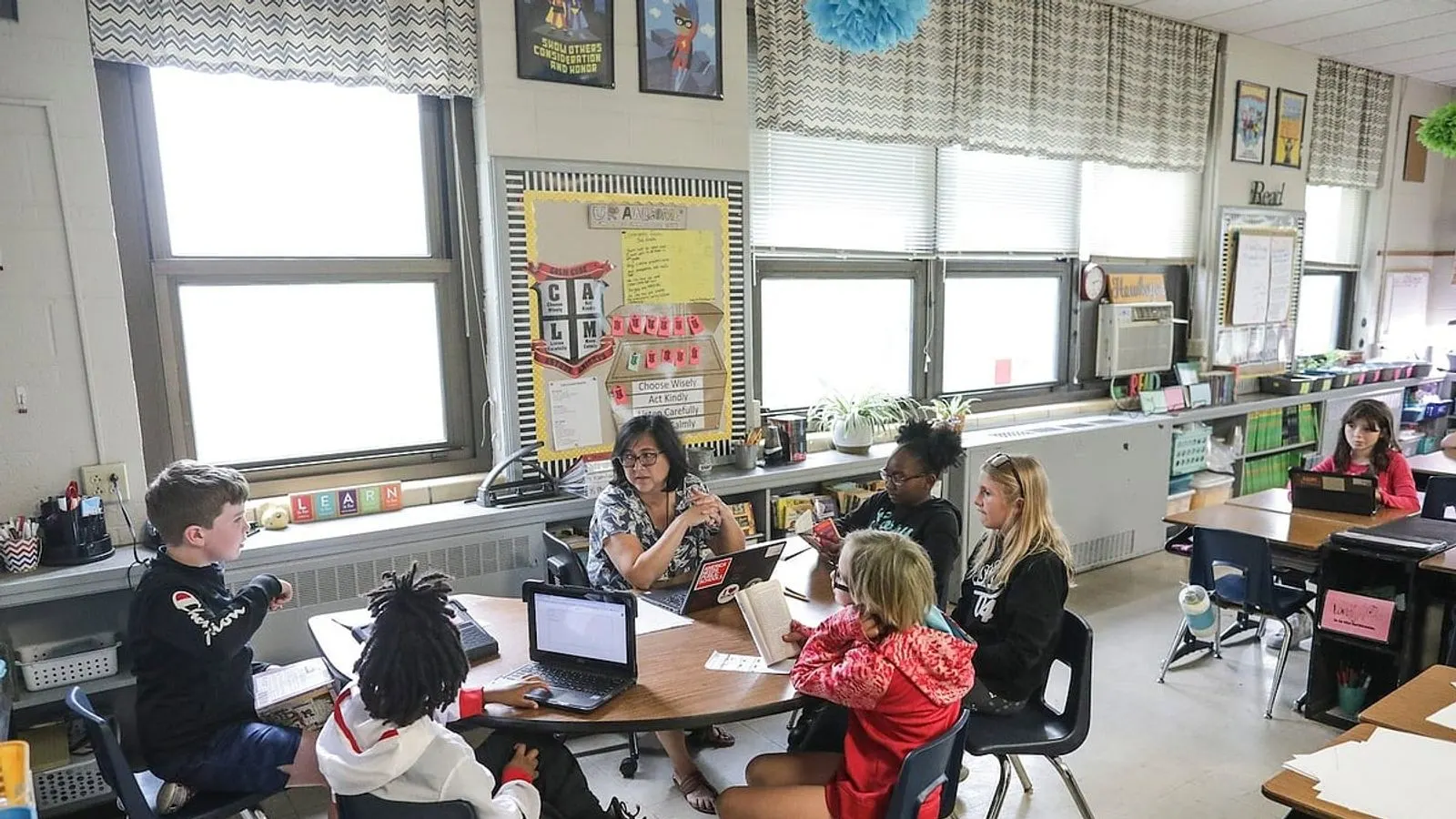
The results of the highly anticipated PISA international education assessment survey were officially published on Tuesday, 8 September 2023, drawing intense global scrutiny toward educational standards in the United States and participating nations worldwide. Conducted on a massive international scale, the survey evaluates the readiness and academic capabilities of students as they prepare for the future.
According to the newly released data, reading proficiency scores among 15-year-old students in the United States have plummeted to their lowest level in a quarter of a century. This alarming decline highlights a growing crisis in foundational education standards across the nation, sparking serious concern among education experts and policymakers regarding the long-term academic trajectory of American youth.
The comparative global data further underscores a stark divide in performance across different countries. Singapore, Japan, and South Korea have firmly claimed the top positions on the list of countries achieving the highest overall scores in the international assessment. Specifically, students from Singapore have demonstrated superior academic performance, significantly outpacing their American counterparts in core subjects such as mathematics and science.
The disparity in top-tier mathematical achievement is particularly striking when comparing the United States directly with global leaders. In Singapore, an impressive 37 percent of students achieved the highest possible marks in mathematics, whereas in the United States, that elite proficiency rate stood at a mere 8 percent.
The extensive international survey involved broad participation from teenagers around the globe. Last year, approximately 750,000 adolescents from 91 different countries took part in the rigorous testing process. However, the American sample size was comparatively narrow, with only 4,600 students from a total of 144 schools across the United States participating in the evaluation.
Reacting to the deeply concerning findings, Margaret Spellings voiced severe apprehension over the direction of American education. Describing the trend as genuinely frightening, she warned that children appear to be moving backward rather than acquiring the essential studies and critical skills that are fundamentally necessary to build their future.