
CPD Hosts Dialogue on Primary Education Reform and Government Progress
A dialogue titled 'How Far Did the Government Go? Focusing on Primary Education' was recently held in Dhaka. Experts and speakers at the event discussed the implementation status of primary education commitments and ongoing sector challenges.
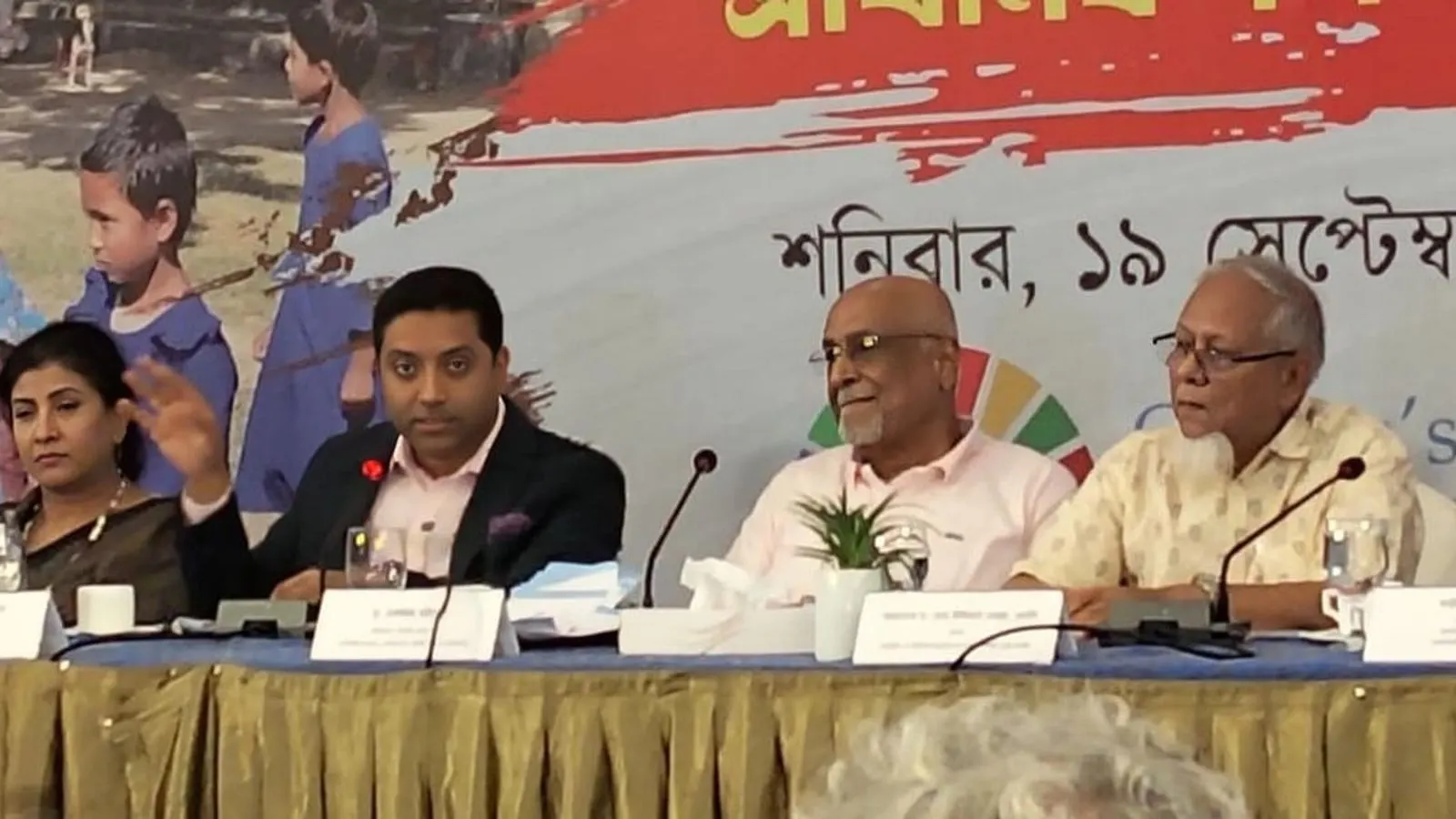
A high-profile national dialogue titled 'How Far Did the Government Go? Focusing on Primary Education' was recently organized in Dhaka by the Centre for Policy Dialogue (CPD), drawing significant attention from education experts, researchers, and policymakers. The event served as a critical platform to evaluate the current administration's progress and the state of foundational learning institutions across the country, with prominent figures such as Debapriya Bhattacharya, Rasheda K. Choudhury, Toufiqul Islam Khan, Bobby Hajjaj, Nazneen Ahmed, Elias Mollah, Tanzim Uddin Khan, Shahina Ferdousi, and Tasnim Jara in attendance.
During the comprehensive discussions, participants closely examined the tracking data concerning primary education and related policy pledges. A striking finding revealed during the dialogue was that out of twenty-four specific primary education and related commitments made by the authorities, not a single one has yet reached a fully effective stage of implementation. This evaluation highlights persistent implementation gaps within the sector, raising concerns among stakeholders regarding the pace of meaningful institutional reform in the country's foundational schooling system.
Addressing the complex administrative and structural hurdles, speakers at the CPD-organized event shed light on deep-seated systemic issues affecting the execution of vital educational initiatives. Elias Mollah pointed out that when political influence interferes with school construction and various developmental projects, it becomes exceptionally difficult for the public administration to function independently and efficiently. Such political friction often delays crucial infrastructural developments and undermines the transparent management of educational resources at the grassroots level across the nation.
Despite the formidable challenges facing the sector, Bobby Hajjaj offered perspective on the timeline required for systemic transformation, noting that the problems plaguing primary education are long-standing. He emphasized that it is practically impossible to resolve these deeply rooted issues within a single day, a single month, or even six months, while acknowledging that the government is actively identifying these challenges and working toward solutions. Concurrently, broader structural planning continues, though specific hurdles remain evident in major strategic frameworks such as the Primary Education Development Programme.
Elaborating on the strategic timeline of major initiatives, the dialogue noted that the planning for the implementation of the Primary Education Development Programme-5 (PEDP-5) is currently slated for the period spanning from 2026 to 2031. However, official records highlighted a critical administrative delay, revealing that as of September 2026, the PEDP-5 program has not yet received final approval, underscoring the ongoing bureaucratic and procedural bottlenecks that continue to shadow educational planning and national development agendas.