Bangladesh to Launch Nationwide School Feeding Program and New Curriculum Updates
State Minister for Primary and Mass Education Bobby Hajjaj announced a nationwide school feeding program starting next year alongside primary curriculum updates. The Ministry also introduced integrated policies for teachers and field-level officials to improve educational outcomes.
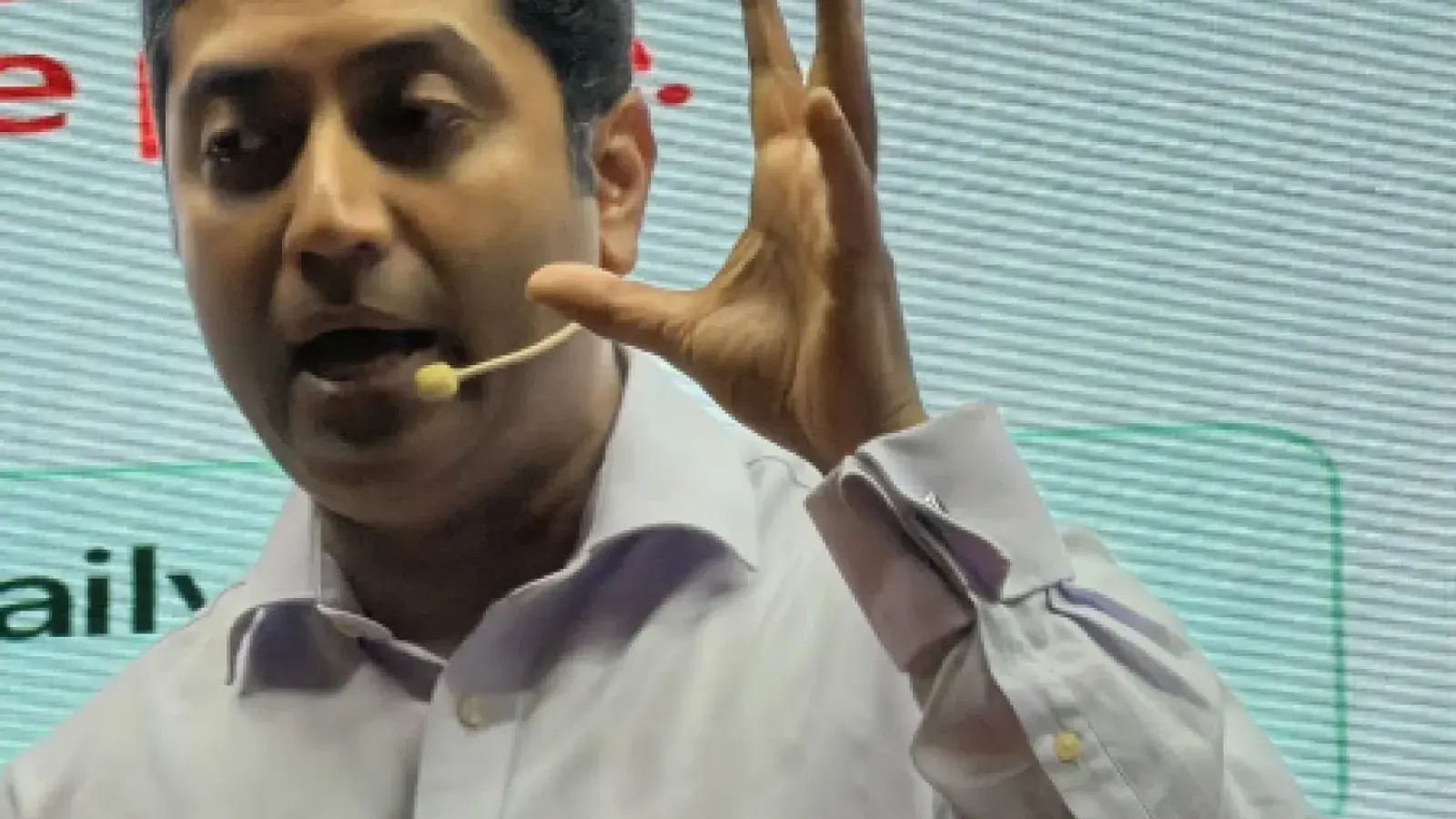
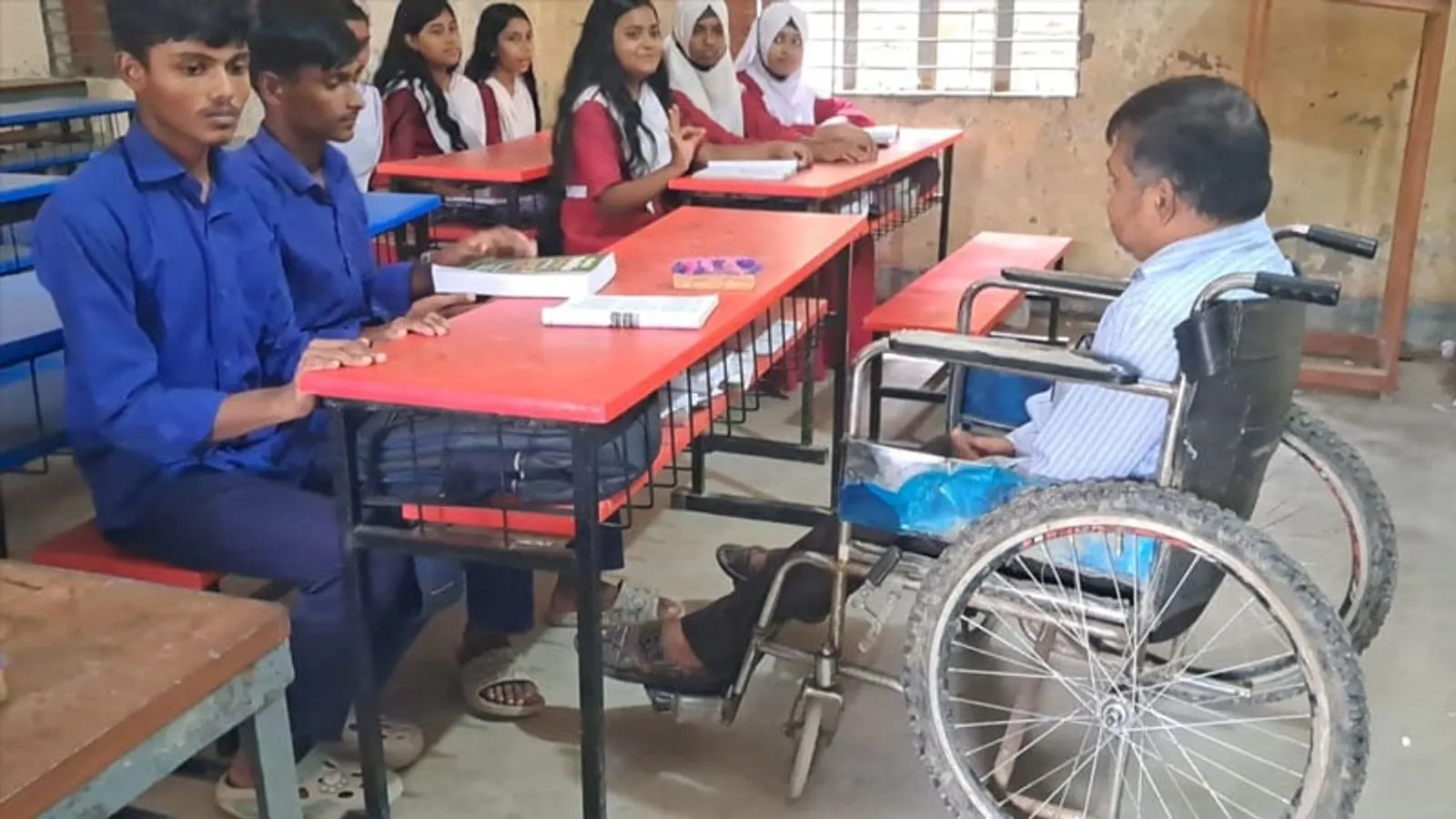
State Minister for Primary and Mass Education Bobby Hajjaj announced a major series of educational reforms during an official announcement originating from Dhaka PTI on 10 September. Among the primary initiatives is the nationwide rollout of a school feeding program, commonly known as mid-day meals, which is scheduled to commence in government primary schools across the country starting next year. This nationwide intervention aims to address nutritional needs and student retention simultaneously.
In addition to the nutritional program, the Ministry of Primary and Mass Education, alongside the Directorate of Primary Education and the Office of the Divisional Deputy Director of Primary Education in Dhaka, revealed significant updates to the academic curriculum. Specifically, starting from the year 2027, two new books titled 'Bangladesh Culture' and 'Sports' will be officially incorporated into the fourth-grade curriculum to enrich the learning experience of young students.
Addressing the implementation and monitoring of the newly announced feeding initiative, State Minister Bobby Hajjaj emphasized strict oversight measures. He stated that strict monitoring will be maintained to ensure that the food deserved by every child is delivered in proper quality and quantity, and to prevent any form of irregularity or corruption at every stage of the program.
Highlighting the broader educational philosophy behind these changes, the State Minister noted that attendance alone is not the ultimate goal of the administration. He stated that the government does not just want children's presence in schools, but rather wants every child to actually learn upon coming to school. He added that if even a single child goes to school and fails to learn, their story of success will remain incomplete.
Reinforcing this shift in institutional metrics, Mr. Hajjaj declared that the evaluation of primary education will no longer rely on physical infrastructure metrics. He stated that from now on, primary education will be accounted for not by how many buildings have been constructed, but by how much children's learning has been ensured.
Furthermore, as part of administrative and workforce restructuring overseen by the Ministry of Primary and Mass Education and associated departments involving officials such as मो. आजमुल হক, शाहीना ফেরদৌসী, মীর আব্দুল আউয়াল আল মেহেদী, মাহবুবা আইরিন, and मो. আবদুল আজিজ, comprehensive new guidelines are being formulated. Specifically, an integrated teacher policy and an administrative policy are being drafted for primary school teachers and field-level officials and employees, respectively.