Supercomputer Simulations Shed Light on Early Universe Black Holes
New simulations using Japan's ATERUI III supercomputer suggest that mysterious 'Little Red Dots' are rapidly growing black holes. The research was led by a scientist from the Max Planck Institute for Astrophysics.
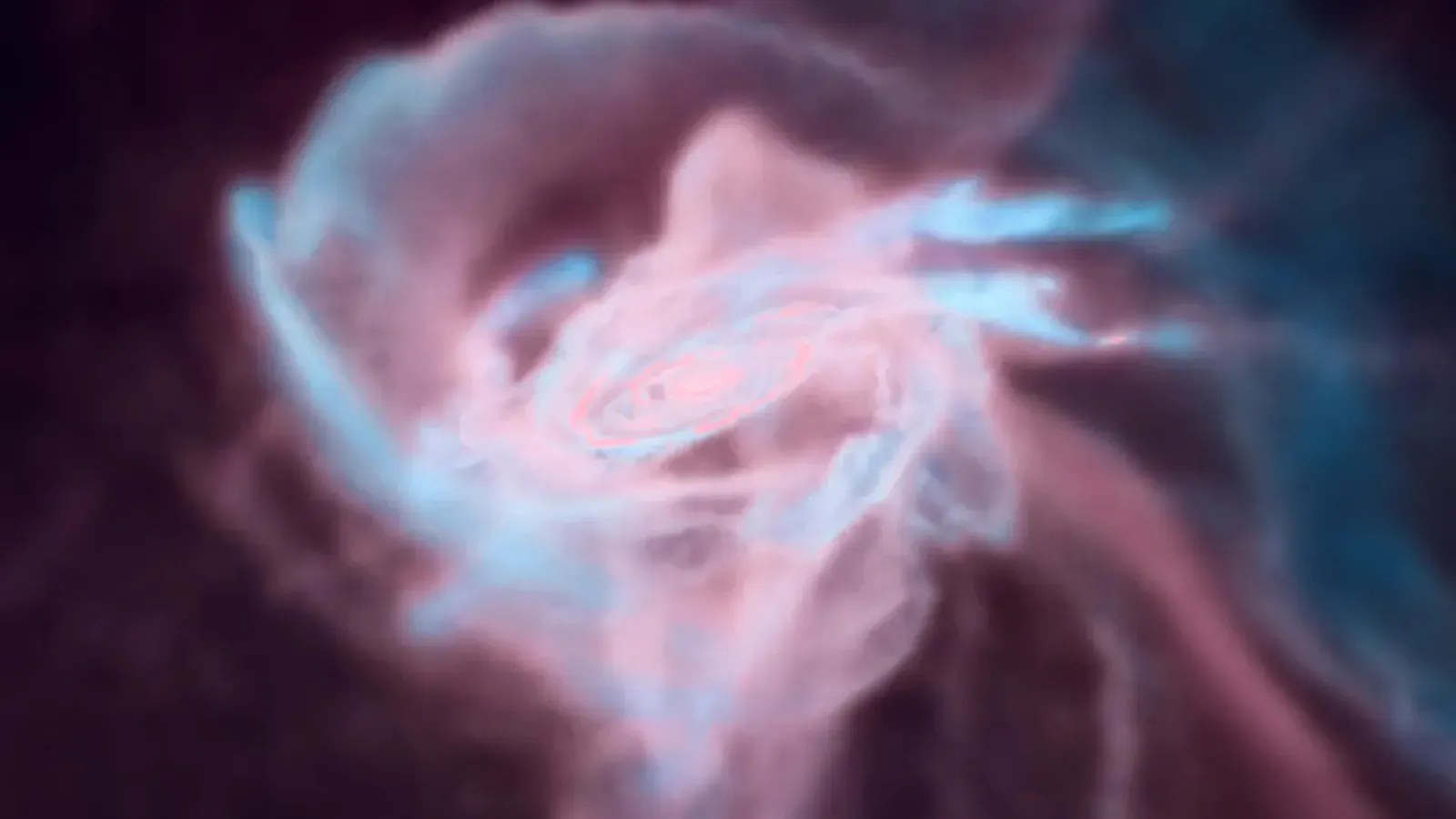
Advanced computer simulations performed utilizing Japan's ATERUI III supercomputer have provided compelling new theoretical insights into the nature of mysterious cosmic objects located in the early Universe. According to the findings, these objects, which are commonly referred to by researchers as 'Little Red Dots', may actually represent rapidly growing black holes existing during the early stages of cosmic history.
The scientific investigation was led by researcher Sunmyon Chon, who is affiliated with the Max Planck Institute for Astrophysics. The collaborative context of the research bridges major international and domestic institutions, reflecting the global scale of modern astrophysical inquiry into the fundamental origins and evolution of the universe.
These theoretical breakthroughs are directly tied to observational data gathered by the James Webb Space Telescope. The advanced space observatory has previously observed a distinct population of tiny, intensely red objects scattered across the distant cosmos, capturing the attention of the global astronomical community due to their unique spectral characteristics.
Prior to these recent supercomputer simulations led by Sunmyon Chon, the exact physical nature and internal mechanisms driving the luminosity of these compact red formations remained largely unconfirmed. The integration of observational data from the James Webb Space Telescope with the computational power of Japan's ATERUI III supercomputer now offers a promising pathway toward understanding these early cosmic phenomena.
Further computational modeling and continued observations using advanced facilities such as the James Webb Space Telescope will remain critical as researchers continue to investigate the properties of these rapidly growing black holes. The work spearheaded by the Max Planck Institute for Astrophysics marks a significant step forward in decoding the complex astrophysics governing the early Universe.