
SCO Summit in Bishkek Backs Iran Amid International Multipolarity Talks
Iranian President Masoud Pezeshkian secured vital political backing at the Shanghai Cooperation Organisation summit in Bishkek this week. Leaders condemned military strikes against Iran as violations of international law and the UN Charter.
Leaders gathered in Bishkek this week for the Shanghai Cooperation Organisation summit to engage in high-level discussions regarding international multipolarity and the growing diplomatic influence of middle powers. Against the backdrop of broader geopolitical shifts involving major global actors such as China, Russia, Brazil, India, Turkey, and the United States, regional diplomacy took center stage as delegations addressed mounting international tensions and security challenges across multiple continents.
During the high-stakes summit, Iranian President Masoud Pezeshkian received explicit political support from fellow member states and participating leaders. The assembled officials used the international platform to formally condemn recent military strikes directed against Iran. In their joint assessment, the leaders characterized these military actions as a severe and direct violation of established international law, as well as a clear breach of the foundational principles outlined within the United Nations Charter.
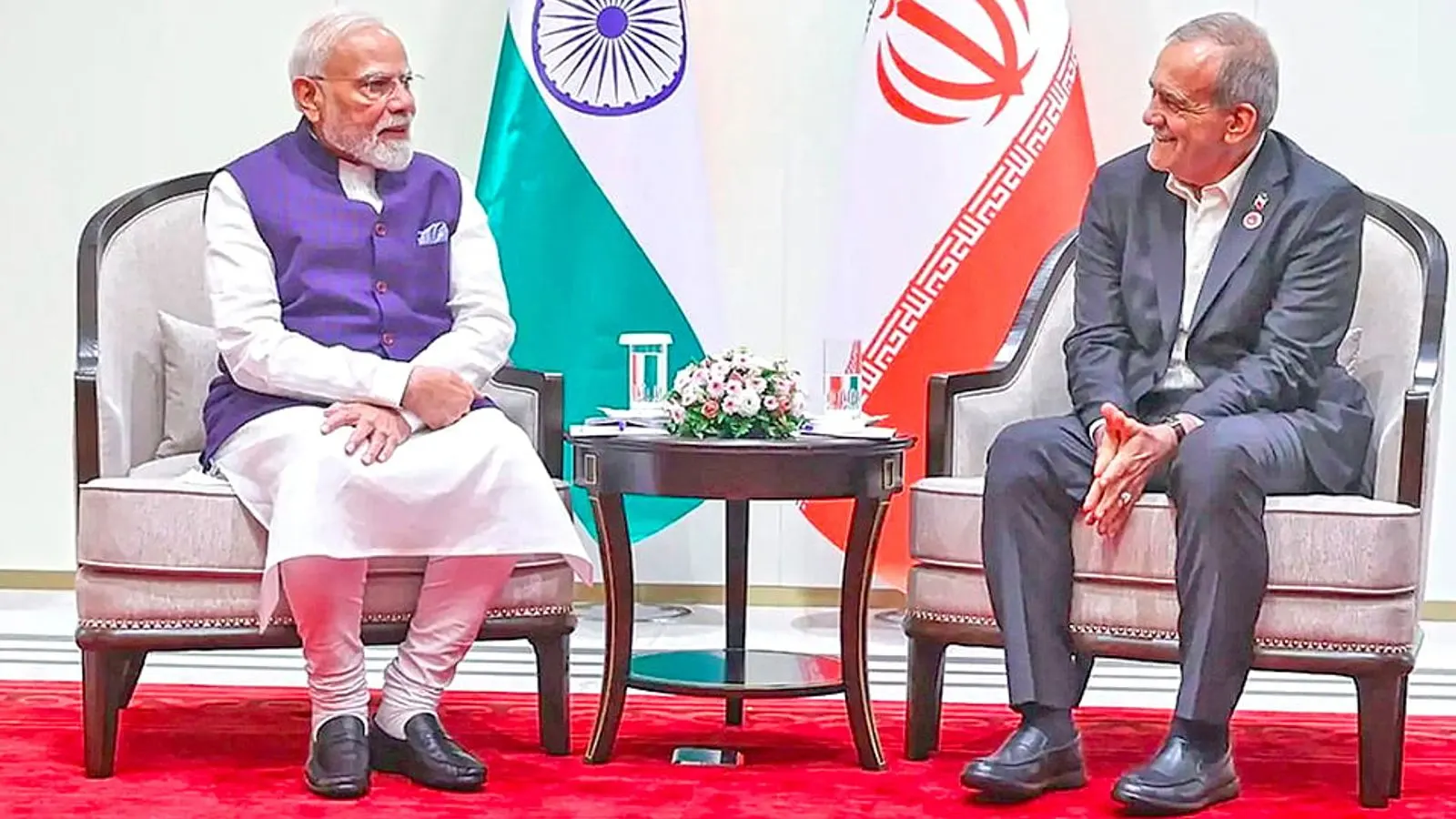
Amid the wide-ranging diplomatic engagements in the Kyrgyz capital, Indian Prime Minister Narendra Modi held a bilateral discussion with Iranian President Masoud Pezeshkian. During their talks, the Indian leader emphasized the critical need to maintain uninterrupted freedom of navigation and commerce passing through the vital maritime route of the Strait of Hormuz. Prime Minister Modi noted that ensuring secure passage through this essential waterway remains a shared priority for regional stability and international trade.
The diplomatic developments in Bishkek highlight the complex interplay of middle power diplomacy as nations navigate overlapping frameworks, including the BRICS grouping, NATO, the Gulf Cooperation Council, and various academic and institutional partnerships. While the summit focused heavily on multilateral cooperation and economic connectivity, the explicit condemnation of military aggression against Tehran and the specific focus on maritime trade routes underscored the pressing security concerns dominating the contemporary geopolitical landscape.