
US President Donald Trump Extends $100,000 H-1B Visa Fee for Another Year
US President Donald Trump has officially extended the executive order that imposes a $100,000 fee on H-1B non-immigrant visas for an additional year. The high-stakes decision comes out of Washington, continuing the controversial policy first initiated in late 2025.
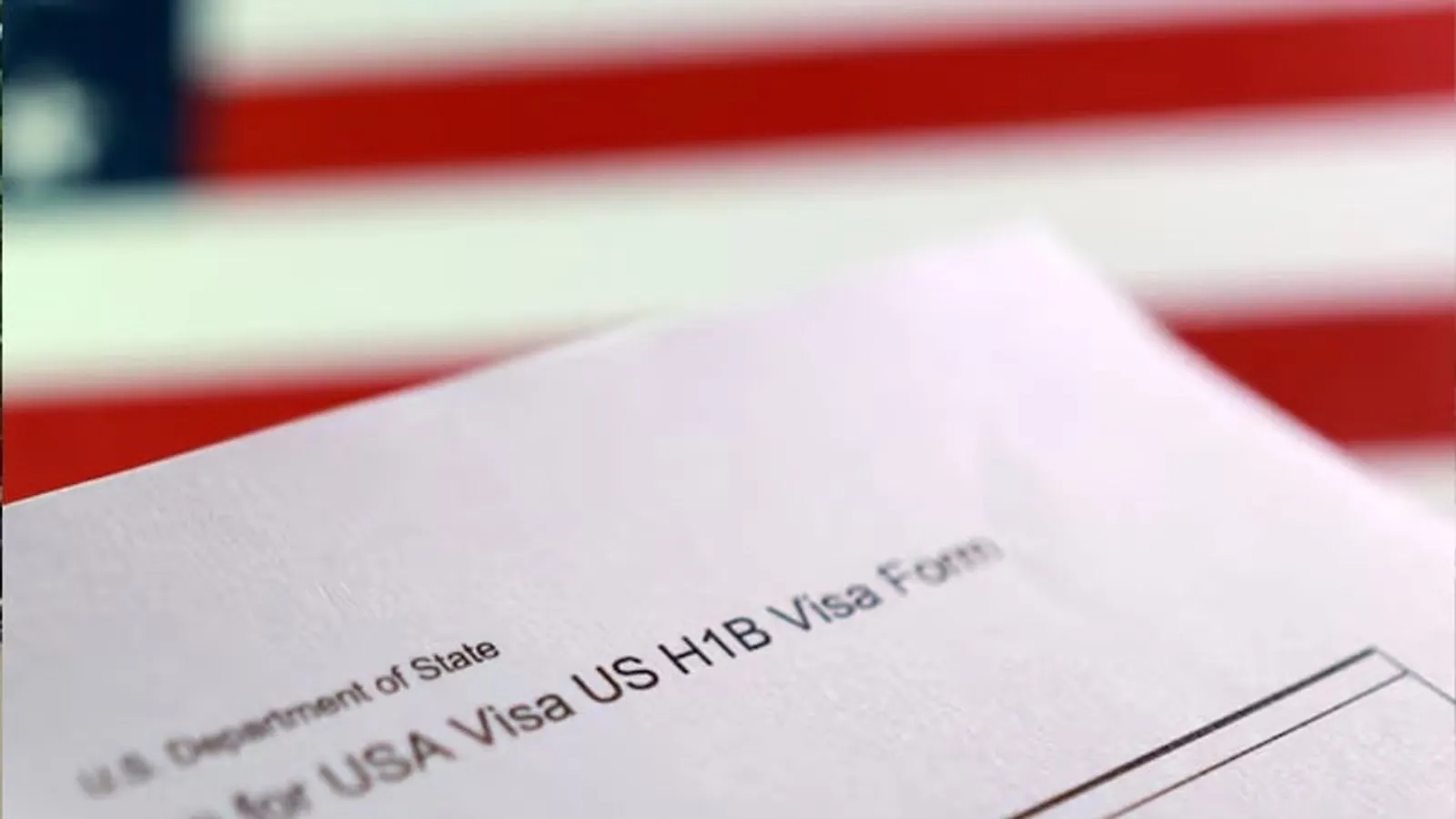
US President Donald Trump has announced the extension of a high-profile executive order that maintains a staggering $100,000 fee on H-1B non-immigrant visas for another full year. The policy decision, which directly impacts the landscape of skilled foreign labor in the United States, was confirmed on Friday from Washington, USA. The continuation of this financial mandate underscores the administration's ongoing focus on reshaping the country's immigration frameworks.
Under the extended executive order, the cost associated with the H-1B visa program remains steeply elevated at $100,000. This figure marks a dramatic departure from the historical financial requirements of the program. Previously, the current H-1B visa fee range typically sat between $2,000 and $5,000, making the current $100,000 proposed fee an unprecedented financial burden for employers seeking to bring specialized global talent into the country.
The foundation of the non-immigrant work authorization program dates back several decades. Specifically, the H-1B visa program was introduced by Congress in 1990 to allow United States companies to employ foreign workers in specialty occupations that require theoretical or technical expertise. Over the years, the program has grown to become a cornerstone of recruitment for major American enterprises, technology giants, and various commercial sectors operating within the domestic market.
The journey of the current financial mandate began several months prior to this recent extension. The initial executive order to increase the fee to its current level was officially issued in September 2025. By deciding to prolong the duration of this directive for another year, the administration ensures that the stringent financial barrier will remain a defining feature of the American non-immigrant visa process for the foreseeable future.
As the extended executive order takes effect, various stakeholders across the American business and immigration sectors continue to evaluate the long-term operational consequences of maintaining such a high financial threshold for specialized workers. With the policy now locked in for another year, companies reliant on the H-1B framework must continue to navigate these substantial cost requirements established by the White House.