

Rising Dengue Cases and Aedes Mosquito Density Hit Rajshahi and Chapainawabganj
Health authorities report an increasing influx of dengue patients and rising Aedes mosquito breeding density across Rajshahi and Chapainawabganj. Officials have ramped up hospital preparations and preventive awareness campaigns.
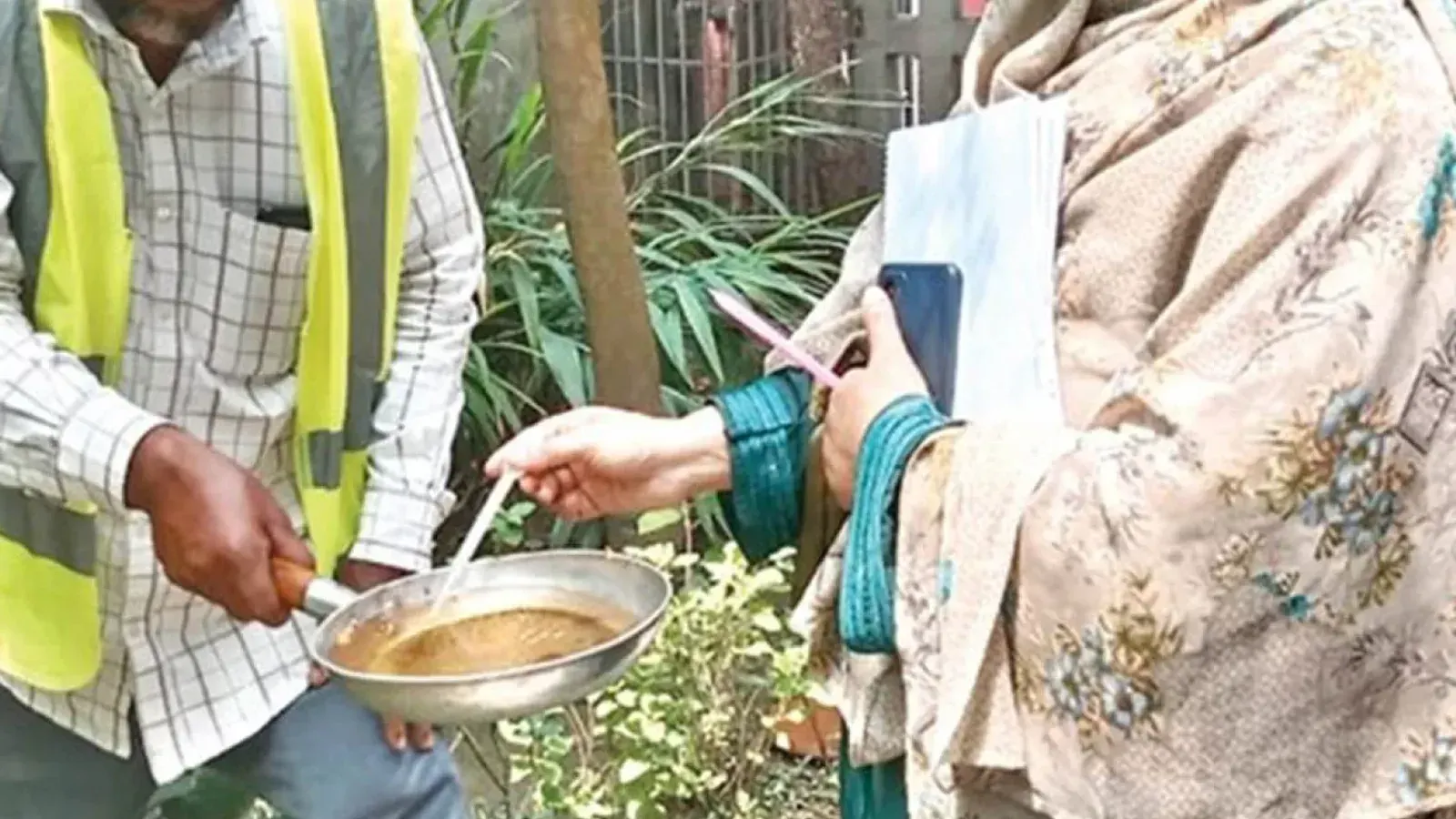
Health officials in Rajshahi and Chapainawabganj have reported a concerning rise in dengue cases alongside a sharp increase in the breeding density of Aedes mosquitoes. According to findings from the region, the Aedes mosquito breeding density within the Rajshahi city corporation area has doubled over a span of two months. Entomological surveys and inspections reveal that out of 75 houses inspected in the city, Aedes mosquito larvae were successfully discovered inside 24 of those residences. Furthermore, out of 68 water-holding containers examined during the inspections, the presence of Aedes larvae was confirmed in 46 containers. Laboratory analysis of 685 collected mosquito larvae identified 505 specimens as Aedes albopictus and 86 specimens as Aedes aegypti, highlighting a widespread distribution of the vector insects across the urban landscape.
Hospitals in both districts are experiencing a growing number of admissions as patient pressure mounts due to recent rainfall. At the Rajshahi Medical College (RMEC) Hospital, patient numbers have steadily climbed, reaching a peak of 33 dengue patients undergoing treatment simultaneously on August 15. Tragically, the outbreak has already claimed a life at the facility; Dr. Sheikh Shamim Ahmed noted that a dengue patient passed away at the hospital on August 11. Despite this fatality, Dr. Ahmed assured that the hospital currently maintains full preparedness to provide proper medical treatment to all incoming dengue patients as the current patient load continues to show a gradual increase.
Addressing the clinical management situation at the district level, Dr. Md. Mahbub Hasan explained that the recent rainfall has directly contributed to the surge in patient admissions. To effectively confront this worsening situation, the hospital has kept its dedicated dengue corner fully prepared. Furthermore, authorities have ensured a sufficient reserve of necessary medicines, medical equipment, and other vital supplies. Dr. Hasan emphasized that despite existing challenges regarding a shortage of physicians, the hospital authority is deploying its utmost efforts to guarantee appropriate medical services for every affected patient.
Meanwhile, the situation in Chapainawabganj reflects a similarly heavy burden on local healthcare facilities. Data from the Chapainawabganj District Hospital indicates that as of August 20, a total of 50 dengue patients were actively admitted and receiving care at the facility. Looking at the broader seasonal timeline from January 1 up to August 21, the hospital admitted a cumulative total of 492 dengue patients. In addition to those requiring inpatient admission, outpatient departments across the district successfully identified and treated another 316 dengue patients since the beginning of the year. Notably, hospital authorities confirmed that despite the high volume of infections, no fatalities due to dengue have been recorded at the Chapainawabganj District Hospital so far this year.
Local authorities and civic groups are actively responding to the escalating public health threat through targeted interventions and public criticism. Sheikh Md. Mamun Dollar acknowledged that while eliminating dengue completely remains an impossibility, proactive preventative activities are currently underway to curb its spread. He stated that cleanliness drives are being organized across every single ward while residents are simultaneously being actively made aware of the risks. Conversely, Moniruzzaman Monir voiced sharp criticism regarding municipal efforts, pointing out that dengue is fundamentally an Aedes mosquito-borne disease and that cleaning the city is the direct responsibility of the municipality, whose current activities he described as being of negligible quality. Stressing that citizen awareness is equally crucial, Moniruzzaman Monir added that while the loud sound of fogger machines used for killing mosquitoes used to be heard in the past, they have not been seen in operation for a long time, and he demanded the immediate resumption of mosquito eradication using fogger machines.