

Religious guidance clarifies rules on reciting supplications during sajdah
New religious guidance details the correct practices for reciting supplications during prostration in Islamic prayers. The rules distinguish clearly between obligatory and voluntary prayers regarding permissible supplications.
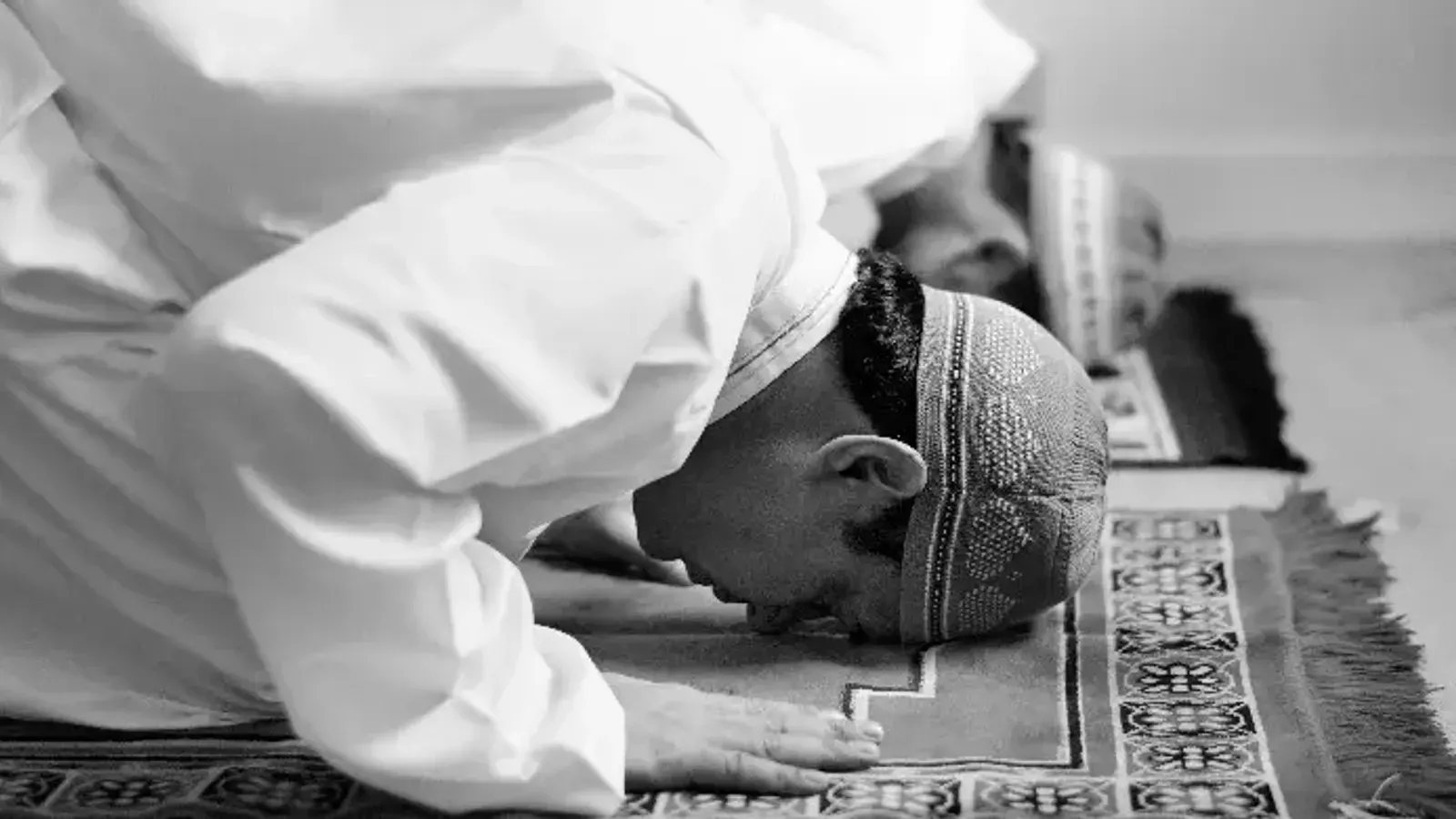
Recent religious guidance published by Jago News outlines the specific protocols concerning the recitation of supplications, known as dua, during the act of prostration, or sajdah, in Islamic prayers. The instructions draw a strict distinction between obligatory, or fard, prayers and voluntary, or nafl, prayers, providing clear directives for worshippers seeking to follow traditional jurisprudence.
According to the confirmed guidelines, worshippers performing obligatory fard prayers must strictly limit their recitation during sajdah to the prescribed tasbih. The religious instructions explicitly state that personal supplications, as well as any prayers offered in languages other than Arabic, are not permitted during the prostration in these mandatory daily prayers.
In contrast, the guidance confirms that reciting specific supplications mentioned in the Quran and authentic Hadith is entirely permissible during sajdah when performing voluntary nafl prayers. This allows individuals greater flexibility to incorporate personal and scriptural invocations into their optional acts of worship outside of the core obligatory requirements.
Furthermore, the directives reinforce broader Islamic jurisprudence regarding speech within the confines of the prayer. Based on established Hadith traditions, human speech and worldly supplications are strictly forbidden inside the prayer under all circumstances, ensuring the absolute sanctity and focus of the worshipers.
Among the specific invocations highlighted in the religious texts is a well-known supplication attributed to the Prophet Muhammad (peace be upon him), as narrated by Abu Hurairah (may Allah be pleased with him): "اللَّهُمَّ اغْفِرْ لِى ذَنْبِى كُلَّهُ دِقَّهُ وَجِلَّهُ وَأَوَّلَهُ وَآخِرَهُ". This inclusion provides worshippers with a precise, authentic formula for use where permitted within the structured framework of Islamic prayer traditions.