
Reflecting on Rabiul Awal and the Life and Ideals of Prophet Muhammad
Rabiul Awal marks the third month of the Islamic lunar calendar, a period deeply connected to the teachings and ideals of Prophet Muhammad. Scholars and organizations including the Bangladesh National Imam Samity and Ahsania Institute of Sufism reflect on this sacred time.
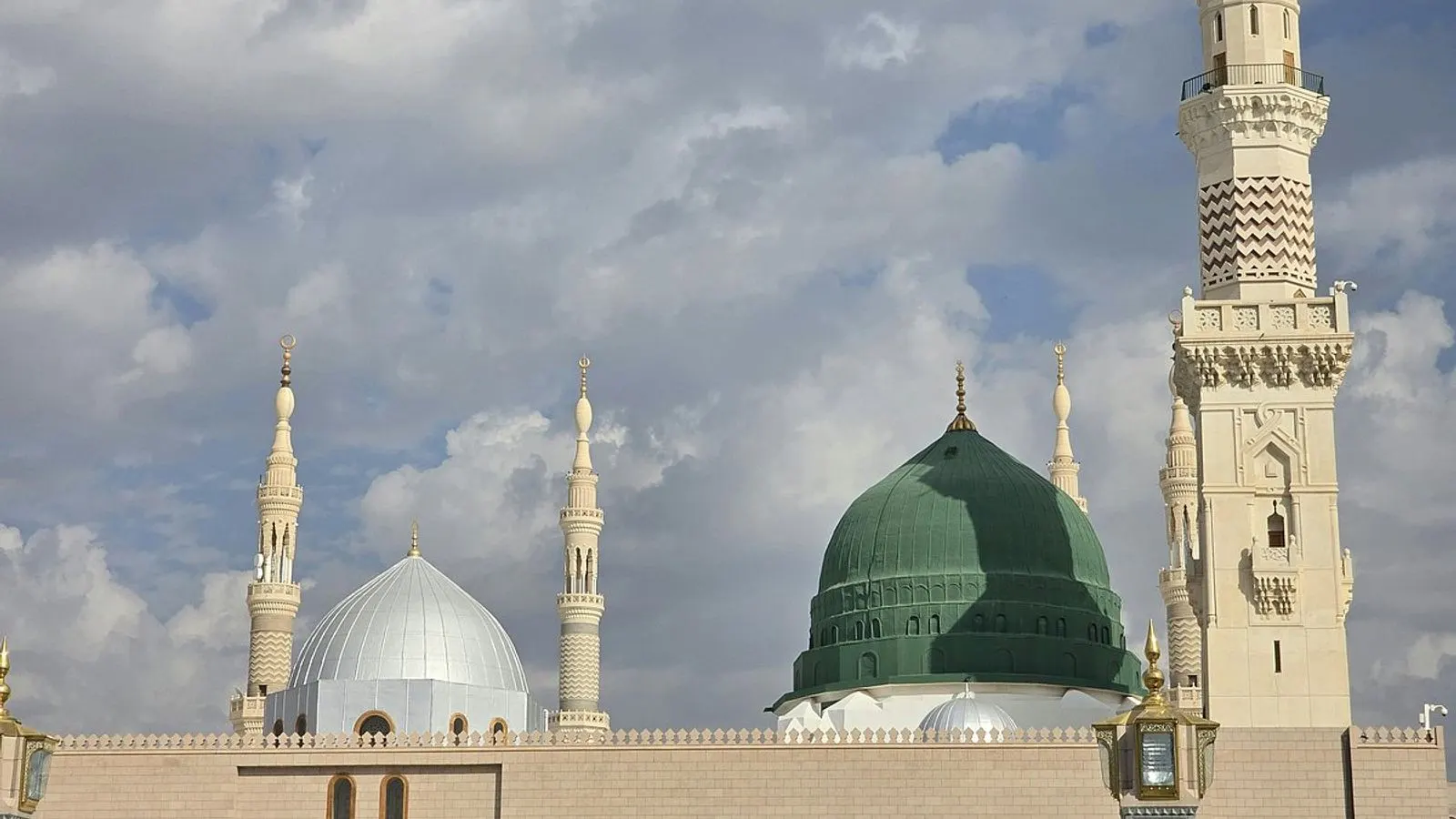
Rabiul Awal is officially recognized as the third month of the Arabic Hijri lunar calendar, holding profound significance for Muslims around the world. The literal translation of Rabiul Awal is the first spring, a season that historically aligns with monumental spiritual and historical transitions. During the era preceding the advent of Prophet Muhammad (PBUH), the prevailing societal epoch was widely designated as 'Aiyam-e-Jahiliyat', which translates to the age of darkness. This period was characterized by deep ignorance, social injustice, and a departure from divine guidance.
Amidst this historical backdrop, the arrival of Prophet Muhammad (PBUH) brought a transformative light to humanity, rooted in divine revelations and exemplary conduct. Almighty Allah declares in the Holy Quran regarding this divine mission: "There has certainly come to you a Messenger from among yourselves. Grievous to him is what you suffer; [he is] concerned over you and to the believers is kind and merciful." This foundational verse emphasizes the deep compassion and empathetic nature of the Prophet toward humanity throughout his mission.
Further elaborating on the virtues of faith and adherence to divine guidance, another verse from Almighty Allah states: "And those who believe and do righteous deeds and believe in what has been sent down upon Muhammad—and it is the truth from their Lord—He will remove from them their misdeeds and amend their condition." This confirms the theological framework surrounding the teachings brought forth by the Prophet, promising spiritual purification and societal betterment for those who follow the righteous path.
The character of the Prophet is further illustrated through specific traditions and guidance imparted to those around him, such as instructions given to Anas (RA). Emphasizing internal purity and peaceful coexistence, the Prophet Muhammad (PBUH) stated: "O my dear son! If it is possible for you, spend your days and nights in such a manner that there is no malice or hatred in your heart towards anyone." This teaching highlights the vital importance of maintaining a clean heart, free from animosity, as a core component of daily Islamic practice.
Additionally, the Prophet highlighted the immense spiritual reward tied to following his traditional way of life, known as the Sunnah. In another profound statement recorded from his guidance, the Prophet Muhammad (PBUH) said: "O my dear son! This is my Sunnah. Whoever loves my Sunnah loves me, and whoever loves me will be with me in Paradise." This connection between loving the traditions of the Prophet and attaining eternal reward serves as a guiding light for believers anchored in Madinah Munawwara and represented by institutions like the Bangladesh National Imam Samity and Ahsania Institute of Sufism.