

Rangpur Quadruple Murder: Accused Test Negative for Drugs After Delay
The dope test results for two arrested suspects in the Rangpur quadruple murder case show no trace of drugs following an eight-day delay in urine sample collection. The delay has sparked controversy and drawn strong reactions from the Social Resistance Committee.
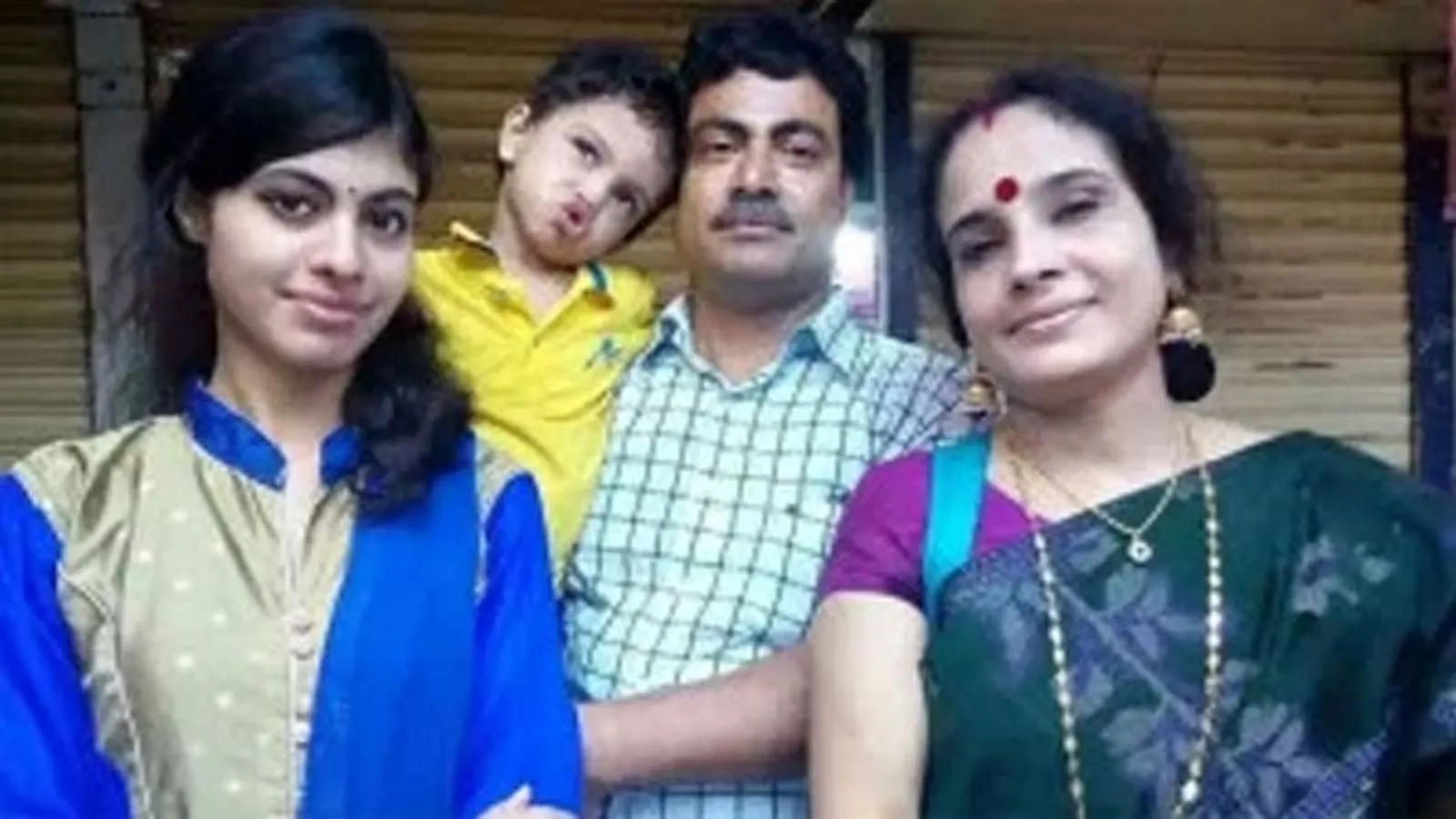
The investigation into the tragic killing of four members of a single family in Rangpur has taken a controversial turn following the release of dope test results for two arrested suspects, Siddharth Das and Mugdha Das. Authorities confirmed that the dope tests conducted on the two incarcerated individuals revealed no presence of drugs in their systems, a finding that has triggered significant public debate and organized protests.
According to the verified details of the case, the urine samples from the accused suspects were collected eight days after their initial arrest and subsequent detention at the Rangpur Central Jail. The samples were tested following claims that the suspects had consumed eight to nine Yaba tablets prior to the gruesome event. However, the laboratory analysis came back negative for amphetamines, raising questions among observers regarding the timing and efficacy of the medical procedures.
Sanatan Chakraborty addressed the controversy surrounding the medical examination, explaining the scientific limitations of the delayed testing process. He noted that the dope test report had been received, confirming the absence of amphetamines in the two suspects' bodies. He emphasized that because the urine samples were collected eight full days after the incident, drug traces typically no longer remain detectable, pointing out that testing within two to three days would have yielded different results.
Despite the negative test outcome, Sanatan Chakraborty maintained that the core facts of the criminal case remain entirely clear and unaffected by the drug testing controversy. He stated that the suspects have committed the murders, that the crime is fully proven, and that they have already given confessions in court. He cautioned that a certain faction is attempting to bypass the central issue and focus on peripheral matters, stressing that whether or not the suspects consumed drugs will not impact the outcome of the murder case itself.
In response to the developments, the Social Resistance Committee—a prominent platform comprising seventy-one social, women's, and professional organizations—organized a human chain protest at the National Press Club in Dhaka. Prominent figures including Fauzia Moslem, Fauzia Khandakar Eva, Salma Ali, Maleka Banu, Selina Parveen, Ahsan Habib, Sanchita Talukdar, Maksuda Akhter Layli, and Rabeya Khatun Shanti participated in the collective demonstration alongside representatives from organizations such as Bangladesh Mahila Parishad, Pragati, National Women Lawyers Association, Nariprokriti Sangha, and Dhaka YWCA of Bangladesh.
Voicing the demands of the coalition during the demonstration, Salma Ali called for swift and decisive action from the authorities handling the judicial proceedings. She stated that the coalition wants to see visible progress in the investigation and trial process of this murder case within seven days, reiterating their core demand that the safety and security of women, children, and all citizens must be strictly ensured across the country.