Rajshahi University Fine Arts Faculty Faces Severe Teacher Crisis
Rajshahi University's Faculty of Fine Arts is struggling with a severe shortage of teachers, classrooms, and materials, leaving 57 teaching posts vacant. Students face acute session jams and heavy out-of-pocket expenses for practical course supplies.
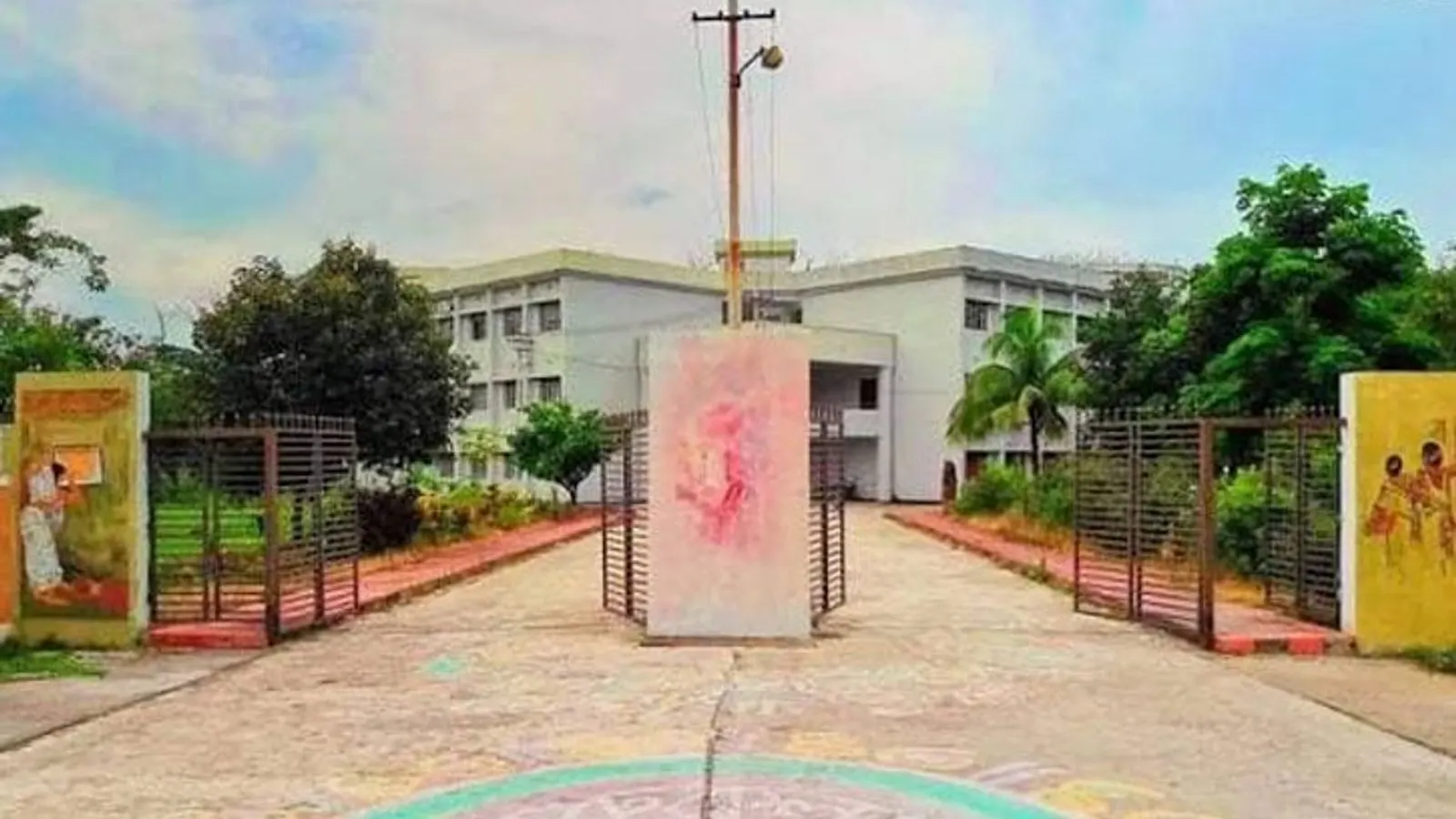
The Faculty of Fine Arts at Rajshahi University in Bangladesh is currently grappling with a severe and multi-faceted crisis involving a critical shortage of teachers, an extreme lack of classrooms, and a shortage of essential educational resources. According to official administrative data from the institution, the faculty has a total of 78 approved teaching positions, but only 21 teachers are currently working to manage the academic workload. This leaves an alarming 57 teaching posts vacant, severely disrupting the educational environment across various departments within the faculty.
Highlighting the stark disparity between the required and available academic staff, Professor Dr. Mohammad Ali detailed the gravity of the situation regarding the institutional staffing levels. He stated that against the approved 78 positions, only 21 teachers are presently in service. He further explained that, when considering the proper student-teacher ratio, each discipline requires at least 15 to 18 teachers to function effectively, yet certain disciplines are forced to operate with merely one or two teachers on staff.
The impact of this severe staffing deficit is acutely felt in specialized areas, notably within the ceramics and sculpture disciplines. Professor A K M Ariful Islam pointed out that although their department encompasses both ceramics and sculpture, the teacher shortage has reached a critical stage, particularly in the ceramics discipline where only one teacher is currently assigned. Compounding this vulnerability, that single remaining instructor is scheduled to go into retirement in the coming month of December, leaving the department facing a complete faculty vacuum.
Furthermore, Professor Dr. Mohammad Ali explicitly linked these systemic staffing shortages directly to the prolonged academic delays affecting the student body. Addressing the root cause of the academic backlogs, he stated that the teacher crisis is the primary driver behind the persistent session jams, emphasizing that with an adequate number of teachers, the Faculty of Fine Arts would not be suffering from such extensive delays.
Students within the faculty are voicing deep frustration over the resulting disruptions to their academic timelines and the financial burden of their studies. Mohammad Munim Shaharia, a student, shared his experience regarding the severe academic delays, noting that out of four semesters, they have not yet been able to take the examinations for one of them and have been waiting for roughly a year and a half for that specific test. He contrasted their situation with other departments in the same academic year, observing that while peers elsewhere are nearing the completion of their studies, their own master's programs remain unfinished.
In addition to academic delays, students face significant monetary challenges due to a lack of institutional resources for coursework. Niyaz Mahmud explained that the majority of their courses are practical in nature. While theoretical study materials can be sourced from libraries or the internet, students are forced to purchase their own supplies for practical work, with costs for a single course frequently reaching four to five thousand taka.