Rajshahi-1 MP Raises DO Letter Issue in Bangladesh Parliament
Rajshahi-1 MP Md. Mujibur Rahman has raised complaints in Parliament regarding unexecuted DO letters and the dominance of ruling party reserved seat MPs. Deputy Speaker Barrister Kaiser Kamal stated that the notices are not suitable for parliamentary intervention.
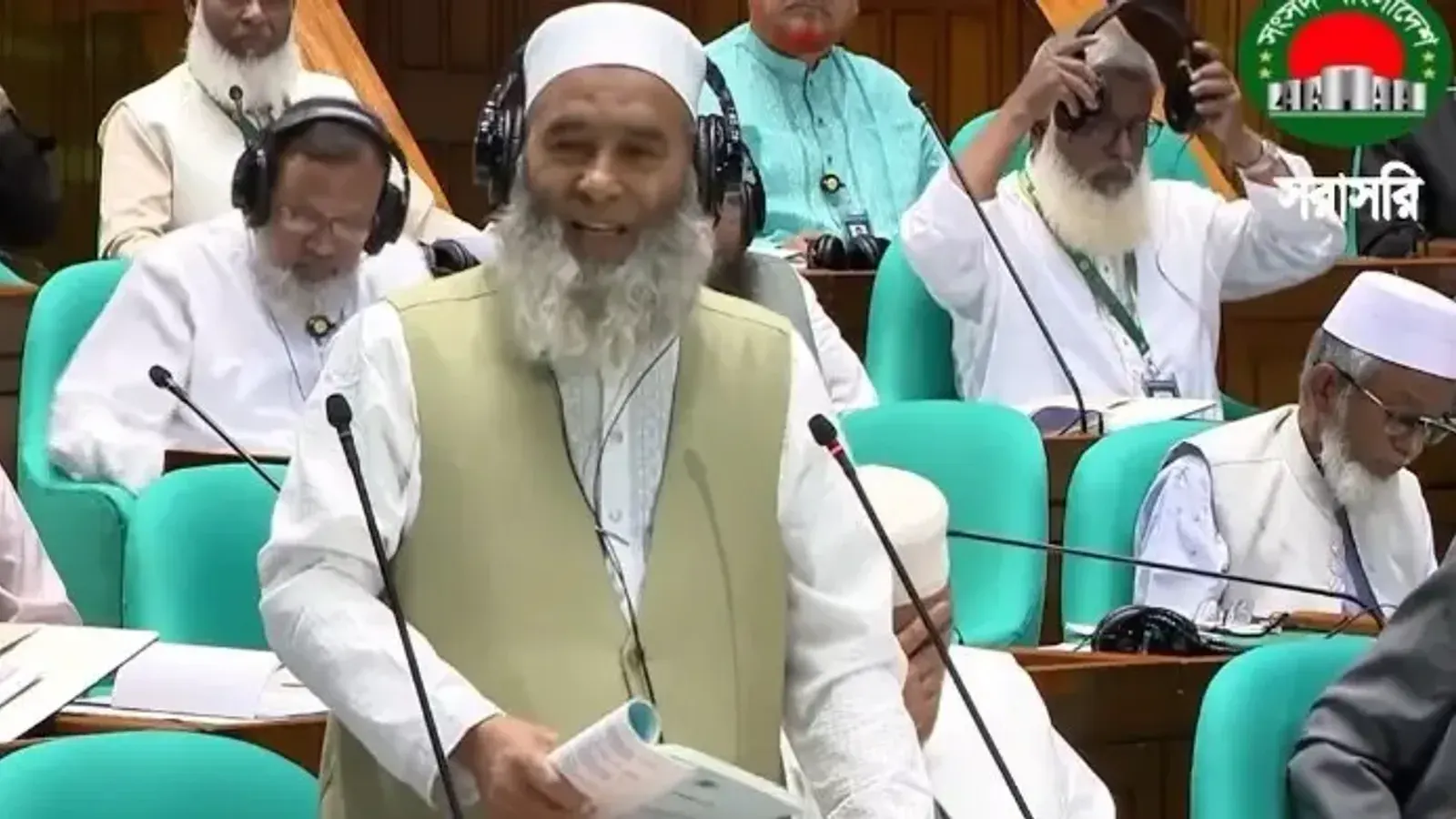
During a session at the Jatiya Sangsad in Dhaka on September 7, 2026, Rajshahi-1 Member of Parliament Md. Mujibur Rahman formally presented two special rights notices. The parliamentary proceedings, which took place in the national legislature, brought to light significant grievances concerning administrative processes and the execution of official recommendations within his constituency.
In his submitted notices before the house, MP Md. Mujibur Rahman specifically alleged that official development and administrative work is failing to proceed based on DO (Demands for Official action) letters issued by directly elected MPs unless those letters are accompanied by the approval or influence of reserved female Members of Parliament from the ruling party. The complaint highlighted a perceived imbalance in authority and prioritization between elected representatives and reserved seat lawmakers.
Deputy Speaker Barrister Kaiser Kamal presided over the parliamentary session where these pressing matters were brought to the floor. Addressing the house regarding the grievances raised by the Rajshahi-1 lawmaker, the Deputy Speaker officially noted that the two notices submitted by the honorable member covered approximately identical subjects concerning parliamentary dynamics and local administration.
Following a review of the procedural admissibility of the complaints, Deputy Speaker Barrister Kaiser Kamal informed the assembly that the notices were ultimately not deemed suitable for direct parliamentary intervention and therefore were not accepted for formal action by the house leadership.
Nevertheless, while declining to accept the notices for formal intervention, the Deputy Speaker elaborated on the fundamental responsibilities of lawmakers within their respective jurisdictions. He emphasized that implementing development and welfare activities within a parliamentary constituency remains one of the primary and core objectives for any public representative serving the populace.
Furthermore, Barrister Kaiser Kamal articulated that both directly elected members and reserved seat members of Parliament can play vital and constructive roles toward achieving this shared objective. He expressed the collective expectation of the authorities that relevant officials will remain vigilant to ensure both sets of lawmakers can effectively contribute to local development, while specifically urging that all concerned parties must ensure that one member is not unduly prioritized over another within the same geographic area to avoid rendering any representative marginalized.