
Power Crisis Cripples Pottery Industry in Patuakhali's Bauphal
Severe power outages lasting up to 12 hours a day have severely disrupted pottery production in Patuakhali's Bauphal upazila. Factory owners are struggling with skyrocketing fuel costs, forcing them to slash wages and lay off workers.
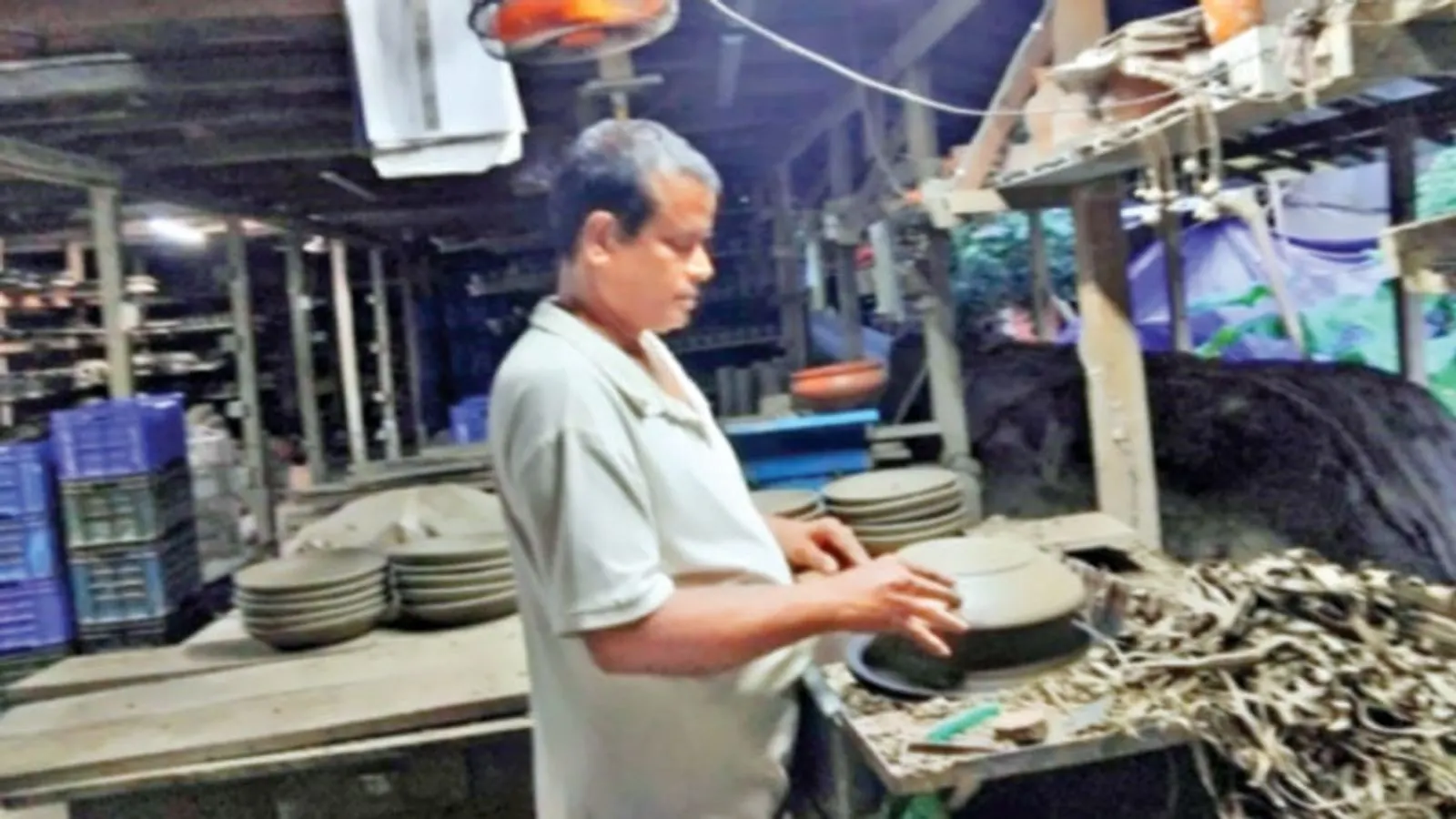
A severe electricity crisis has plunged the traditional pottery industry in Patuakhali district into deep uncertainty, affecting dozens of manufacturing units and hundreds of workers. The crisis is centered around the villages of Bauphal and Madanpur's Palpara within Bauphal upazila, where approximately 50 factories are dedicated to producing clay and earthen products for various markets, including supplying items to the prominent enterprise Aarong.
According to local factory owners and artisans, the primary driver of this economic distress is relentless load-shedding implemented by the local utility provider. Kamal Pal, representing Kamal Shilpi and Company, highlighted the grueling operational conditions caused by the unreliable power supply. He noted that electricity is absent for 10 to 12 hours daily, appearing only briefly for an hour at a time, which forces manufacturers to rely on expensive generators just to fulfill custom orders.
Echoing these concerns, Shishir Pal explained the broader socio-economic impact on the region's labor force. Palpara traditionally provides employment for 1,500 to 2,000 workers who rely on these factories for their daily wages. However, because factory operators are compelled to run costly diesel generators during the extensive daily blackouts, production volumes have dropped significantly while operating expenses have surged, leaving virtually no profit margin for the business owners.
The root of the severe power shortage was detailed by Md. Azizul Islam of the Polli Bidyut Samity Bauphal Zone. Islam stated that Bauphal requires a daily electricity supply of 18 megawatts to meet local demand. In reality, the zone receives only 5 to 6 megawatts, forcing the utility to ration electricity through rolling outages where power is supplied for only one hour following every hour of load-shedding.
The financial strain on businesses is directly translating into hardship for the workforce. With operational costs mounting due to generator fuel and reduced output, factory owners like Bimal Chandra Pal—who draws a monthly salary of 45,000 taka and manages a workforce of 20 employees at his factory—are finding it increasingly difficult to sustain operations. Consequently, owners are being forced to reduce workers' wages or resort to layoffs, threatening the livelihood of thousands of artisans in the Bauphal and Madanpur Palpara pottery clusters.