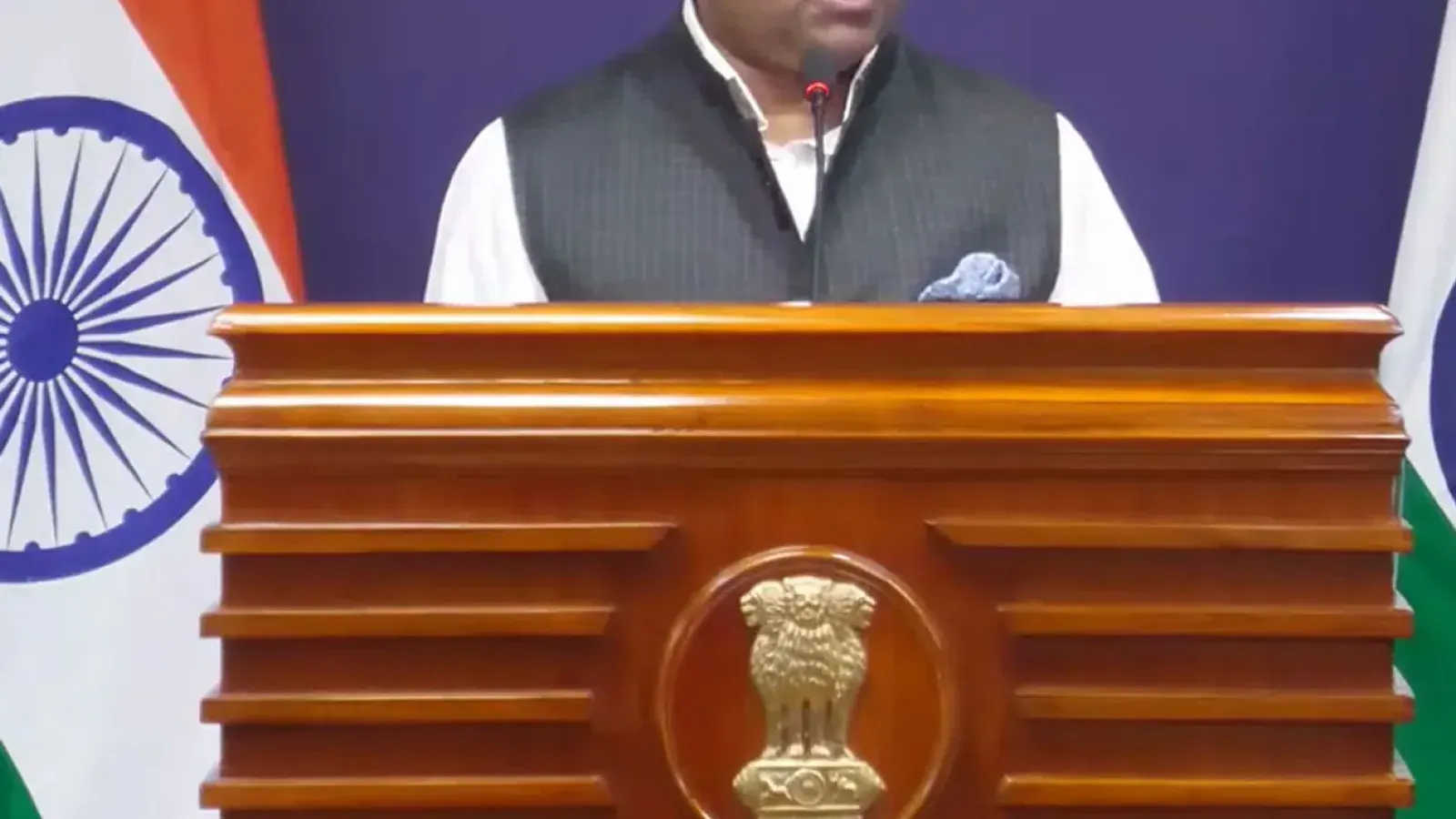

New Delhi Hosts 18th BRICS Summit as China Prepares to Lead in 2027
The 18th BRICS summit has successfully concluded in the Indian capital of New Delhi, bringing together leaders from across the bloc. During the gathering, it was officially announced that China will take over the rotating presidency for the upcoming year and host the organization's summit in 2027.
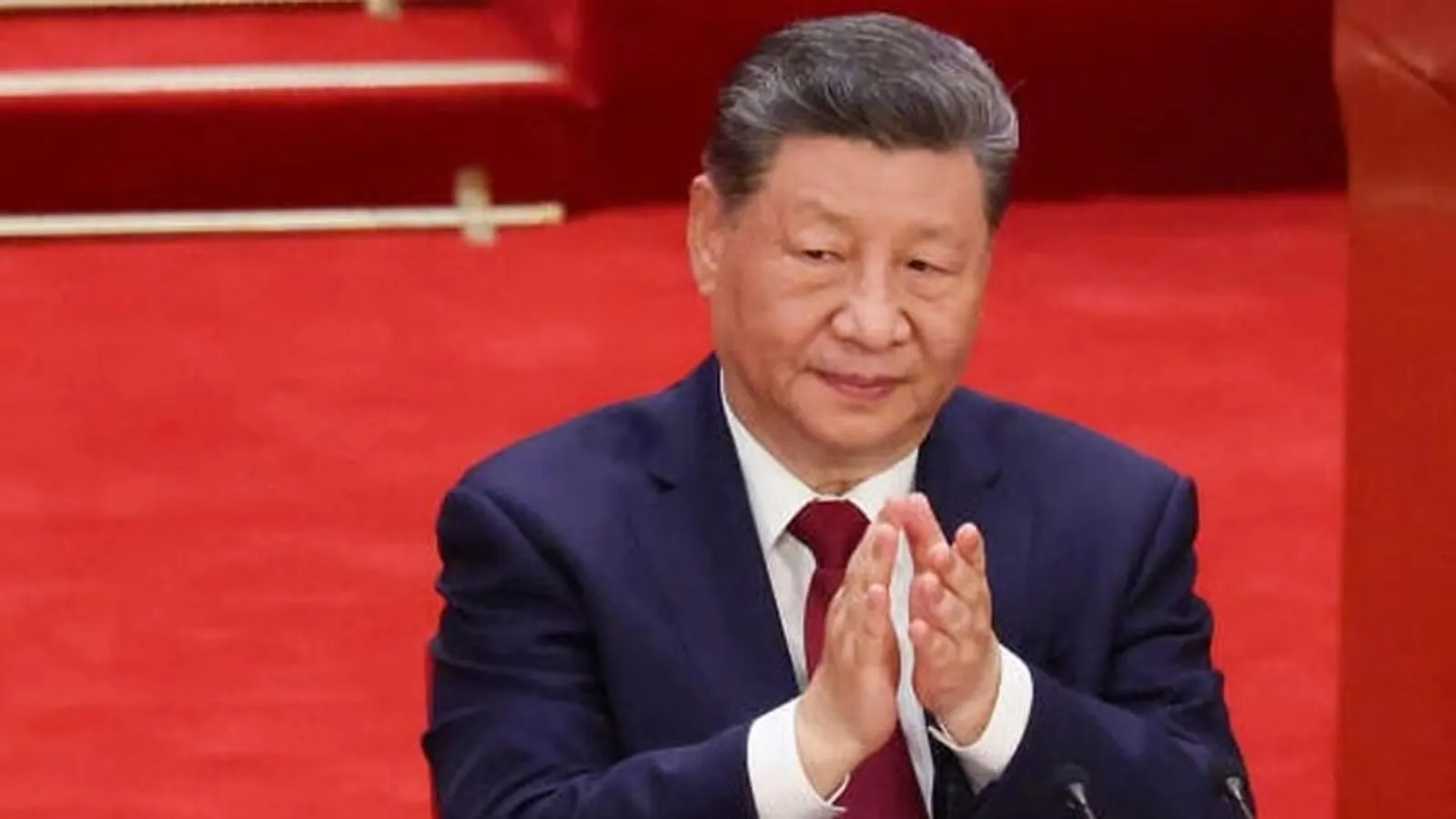
The 18th BRICS summit has officially concluded in New Delhi, India, following two days of high-level diplomatic engagements on September 12 and 13. The high-profile international gathering wrapped up its final sessions on Saturday, marking a significant moment for the influential geopolitical and economic bloc as leaders convened in the Indian capital to discuss matters of mutual interest and future cooperation.
India served as the official host country for this year's major multilateral event, welcoming various international delegations to New Delhi. Among the prominent global figures in attendance at the 18th summit were Chinese President Xi Jinping and Indian Prime Minister Narendra Modi, both of whom participated in the extensive diplomatic discussions hosted by the Indian government.
Amid the high-level meetings and diplomatic proceedings in New Delhi, significant leadership and scheduling announcements were made regarding the future trajectory of the bloc. It was officially announced that China will assume the presidency of the BRICS coalition for the upcoming year, taking over the influential coordinating role from the current administration.
Furthermore, the official announcements confirmed the long-term schedule for the organization's upcoming major gatherings. It was formally revealed that the country of China is officially scheduled to host the subsequent BRICS summit in the year 2027, setting the stage for Beijing to welcome the international delegates for that future high-level event.
The extensive diplomatic framework of the BRICS bloc currently encompasses a broad coalition of nations, representing a substantial geopolitical footprint on the global stage. According to the organizational structure, the expanding international alliance currently comprises a total of 11 full member nations alongside an additional 10 partner countries, reflecting the group's ongoing international outreach and multilateral engagement.