New Denisovan Fossils Discovered in Southwestern China Cave
Archaeologists in southwestern China have uncovered new fossils belonging to the ancient human group Denisovans. The significant find pushes the total number of identified Denisovan fossils past the twenty mark.
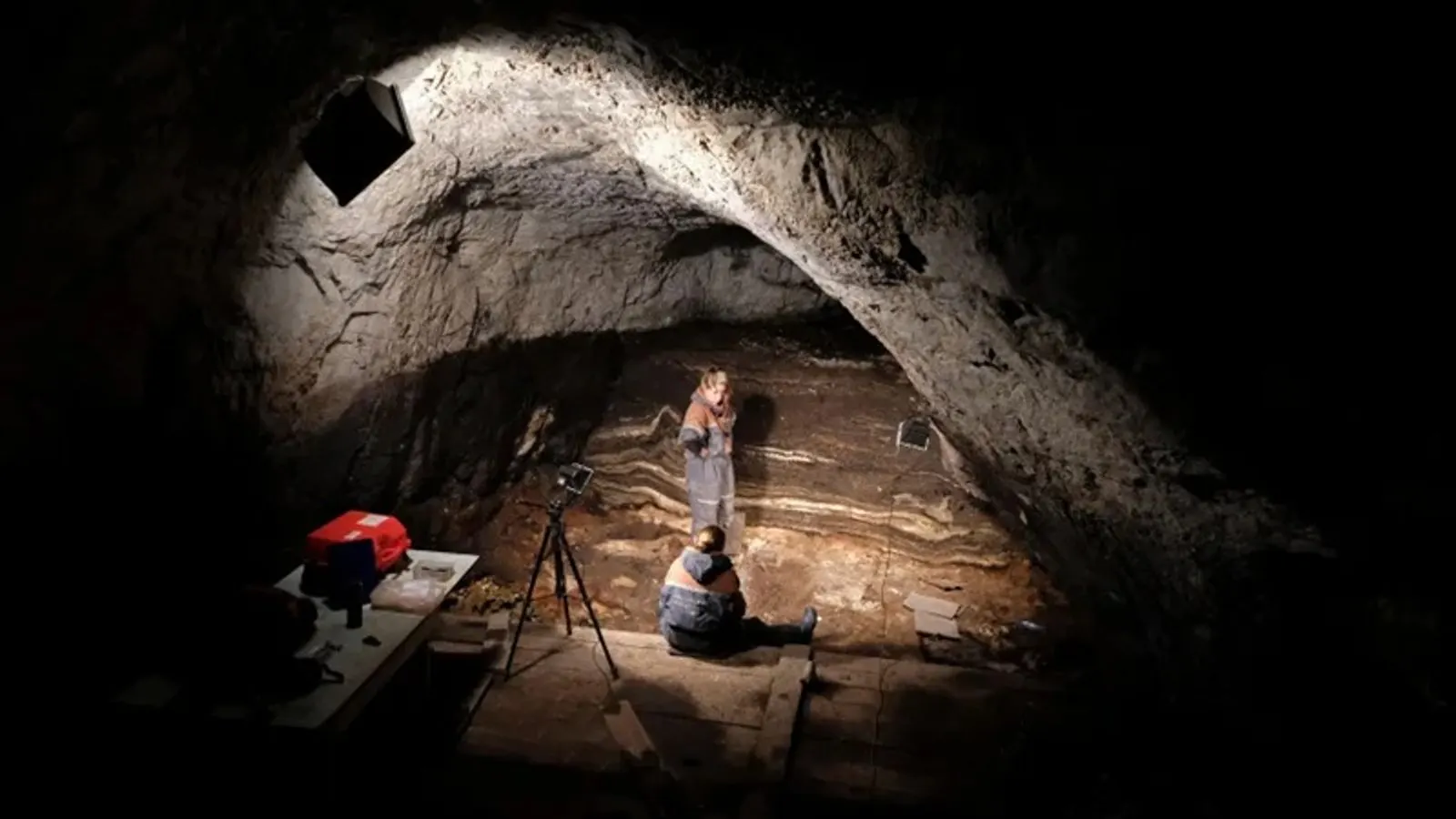
In a major archaeological development, researchers working in southwestern China have successfully uncovered a new collection of fossils belonging to the ancient human group known as the Denisovans. The significant discovery was made inside a cave located within the region, adding crucial physical evidence to our understanding of this enigmatic extinct hominin population.
According to the details released regarding the excavation, the newly discovered artifacts comprise a specific set of remains that offer further insight into the anatomy of these ancient individuals. Among the items recovered from the cave site by the archaeologists are four distinct teeth, which can provide researchers with valuable dietary and evolutionary data.
In addition to the dental remains, the excavation team also unearthed a portion of an arm bone. This skeletal element is expected to help scientists better understand the physical stature, limb proportions, and overall movement capabilities of the Denisovans who once inhabited the region of southwestern China.
Further adding to the importance of the cave site find, archaeologists recovered two separate pieces of skull fragments. These cranial remains are particularly prized in paleoanthropology as they can potentially offer clues regarding brain size, cranial structure, and the evolutionary lineage of the ancient group.
With the addition of these newly cataloged items from the southwestern Chinese cave, a notable milestone has been reached in paleoanthropology. Experts confirmed that the total number of officially identified Denisovan fossils has now officially exceeded twenty specimens worldwide, marking a substantial step forward in human evolutionary studies.