
Mobile courts penalize fertilizer hoarders in Mymensingh and Gaibandha
Mobile courts in Mymensingh and Gaibandha have sentenced one trader to jail and fined others for illegally hoarding large quantities of fertilizer. The crackdown aims to prevent artificial shortages during the ongoing Aman season.
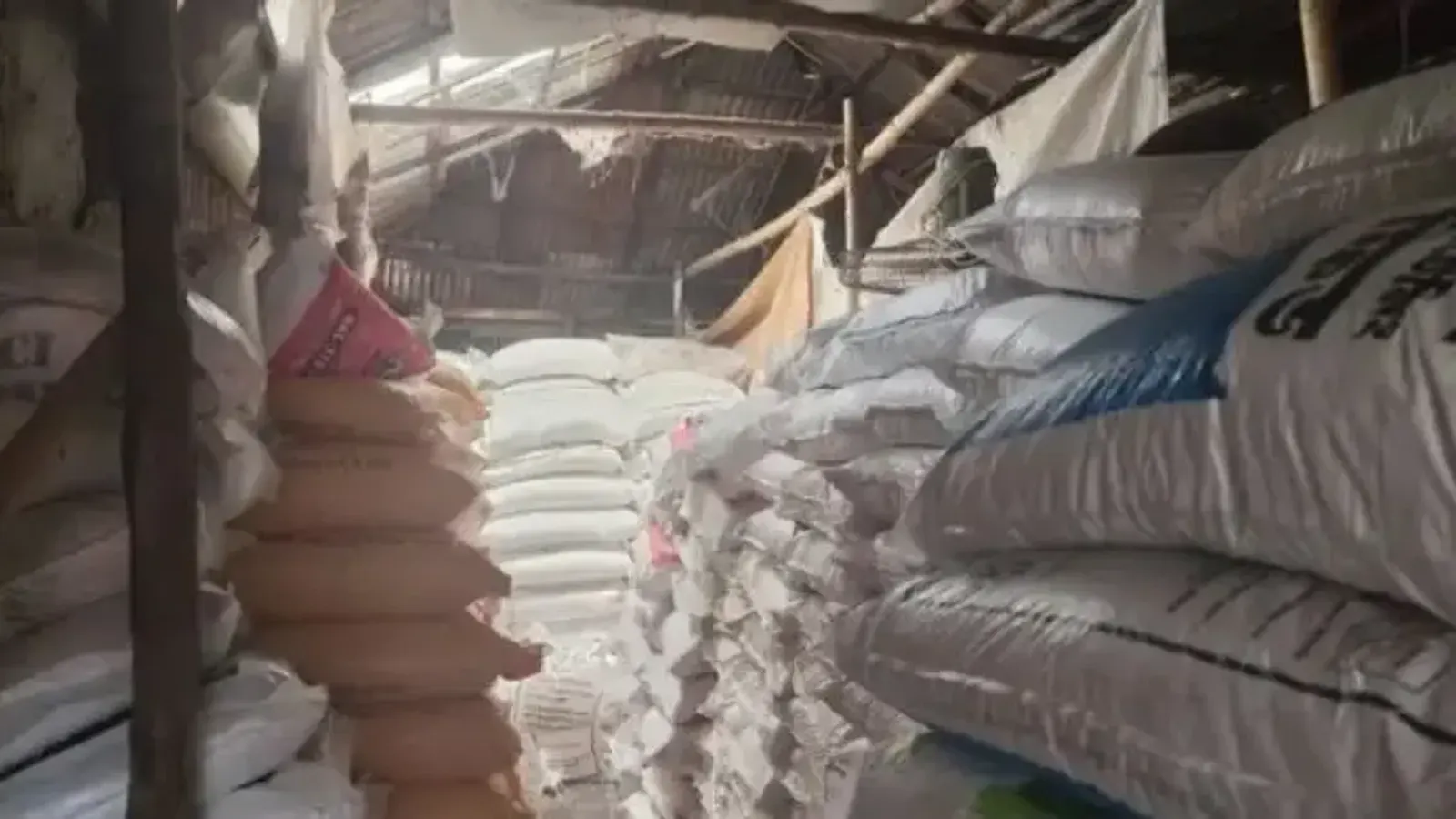
On August 24, 2026, mobile court operations in Mymensingh and Gaibandha, Bangladesh, resulted in punitive actions against traders involved in the illegal hoarding of fertilizers. The crackdown was initiated following intelligence reports indicating that massive quantities of agricultural fertilizers were being unlawfully stockpiled to potentially create artificial shortages in the market. Authorities emphasized that strict measures are being enforced to protect farmers and ensure that essential agricultural supplies remain accessible at government-approved prices during the critical cultivation period.
In Mymensingh's Ishwarganj upazila, a mobile court targeted three separate warehouses where a retail fertilizer seller named Nur-e-Alam was found illegally storing 31.8 metric tons of fertilizer. The seized inventory comprised a total of 636 sacks, which included 391 sacks of urea, 160 sacks of DAP, and 85 sacks of MOP, with each sack weighing 50 kilograms. For his role in the unauthorized stockpiling, Nur-e-Alam was sentenced to one month of imprisonment and ordered to pay a fine of 30,000 taka. During the same operation, another individual, Shyamal Chandra Saha, was also penalized and fined 5,000 taka.
Simultaneously, a separate administrative action took place in Gaibandha's Sundarganj upazila, where local authorities cracked down on additional illegal fertilizer hoarding. Krishna Chandra Das, the owner of a business establishment named 'Kunj Traders', was found to be hoarding excess fertilizer outside of legal regulations. Consequently, the mobile court fined Krishna Chandra Das 10,000 taka for his commercial violation.
The operations were supported by personnel from the National Security Intelligence (NSI) agency alongside the Ishwarganj police station, ensuring coordinated execution. Officials including Fazlul Haq, Ripu Rani Chouhan, and Shamsul Haque were associated with the administrative efforts, while Sanjida Rahman and Iffat Jahan Tuli provided official commentary detailing the legal basis and objectives of the raids. Authorities stated that intelligence-based operations successfully uncovered the massive hidden stockpiles and that the wrongdoers were duly given prison terms and financial penalties according to existing regulations.
Detailing the rationale behind the strict enforcement, Sanjida Rahman noted that administrative surveillance remains active to prevent any unscrupulous actors from manufacturing artificial fertilizer shortages to drive up prices. Rahman further confirmed that all the unlawfully seized fertilizer will be handed over to authorized dealers so it can be sold directly to farmers at government-mandated prices, warning that any future illegal hoarding or overpricing will face immediate legal consequences.
Echoing these sentiments, Iffat Jahan Tuli emphasized that unlawfully hoarding any essential commodity constitutes a serious offense. Tuli specifically highlighted that the country is currently in the peak Aman season, meaning that illegal hoarders will receive zero leniency and farmer exploitation will not be tolerated. Tuli reiterated that administrative surveillance and mobile court operations will continue unabated to completely thwart any attempts at creating artificial market crises.