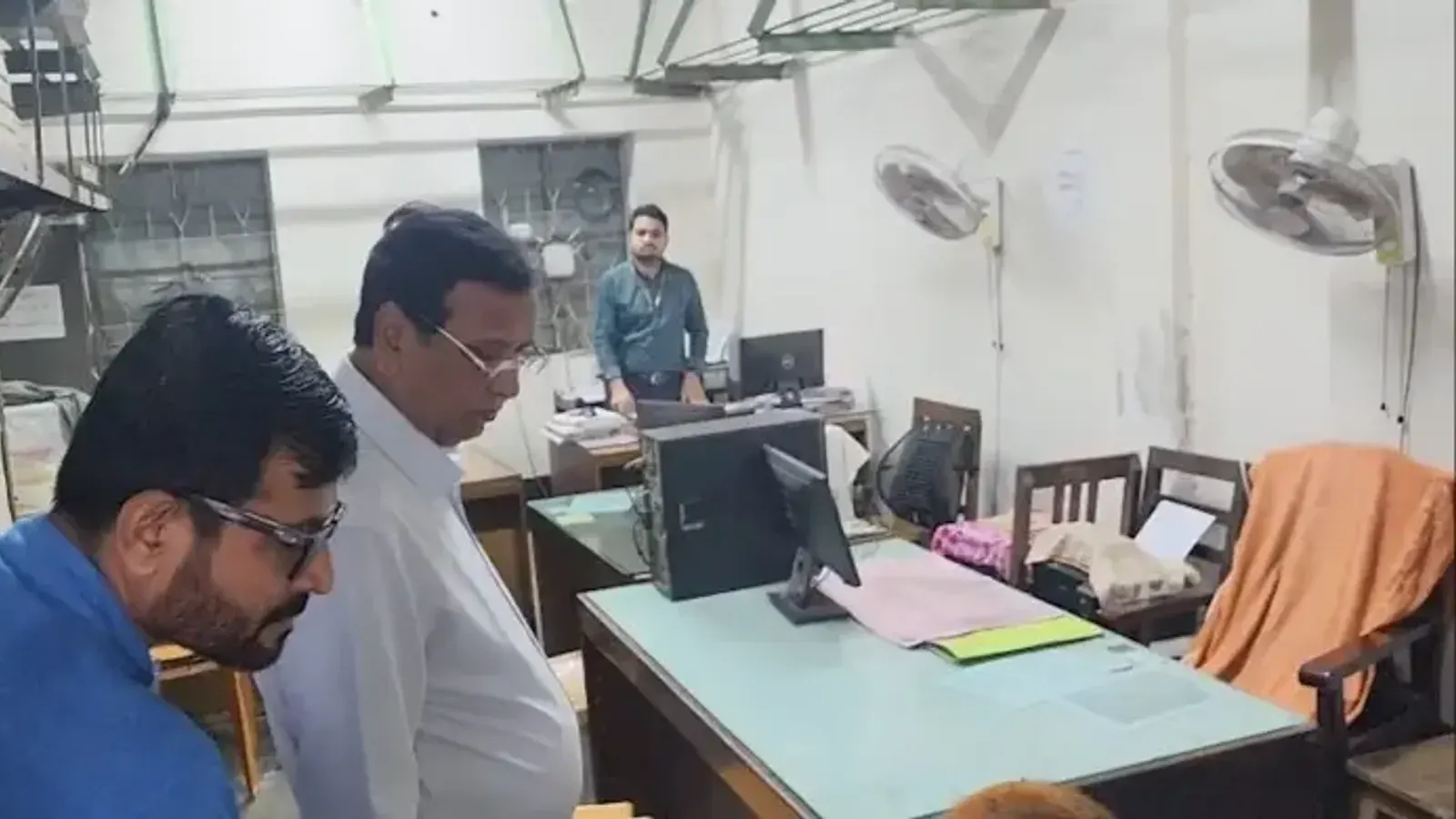

Khulna City Corporation Rejects Substandard Mosquito Control Chemicals
Khulna City Corporation has ordered the return of a newly purchased batch of mosquito control chemicals after they failed initial quality tests. Administrator Nazrul Islam Manju confirmed that the failed products will be sent back and directed officials to procure better alternatives.
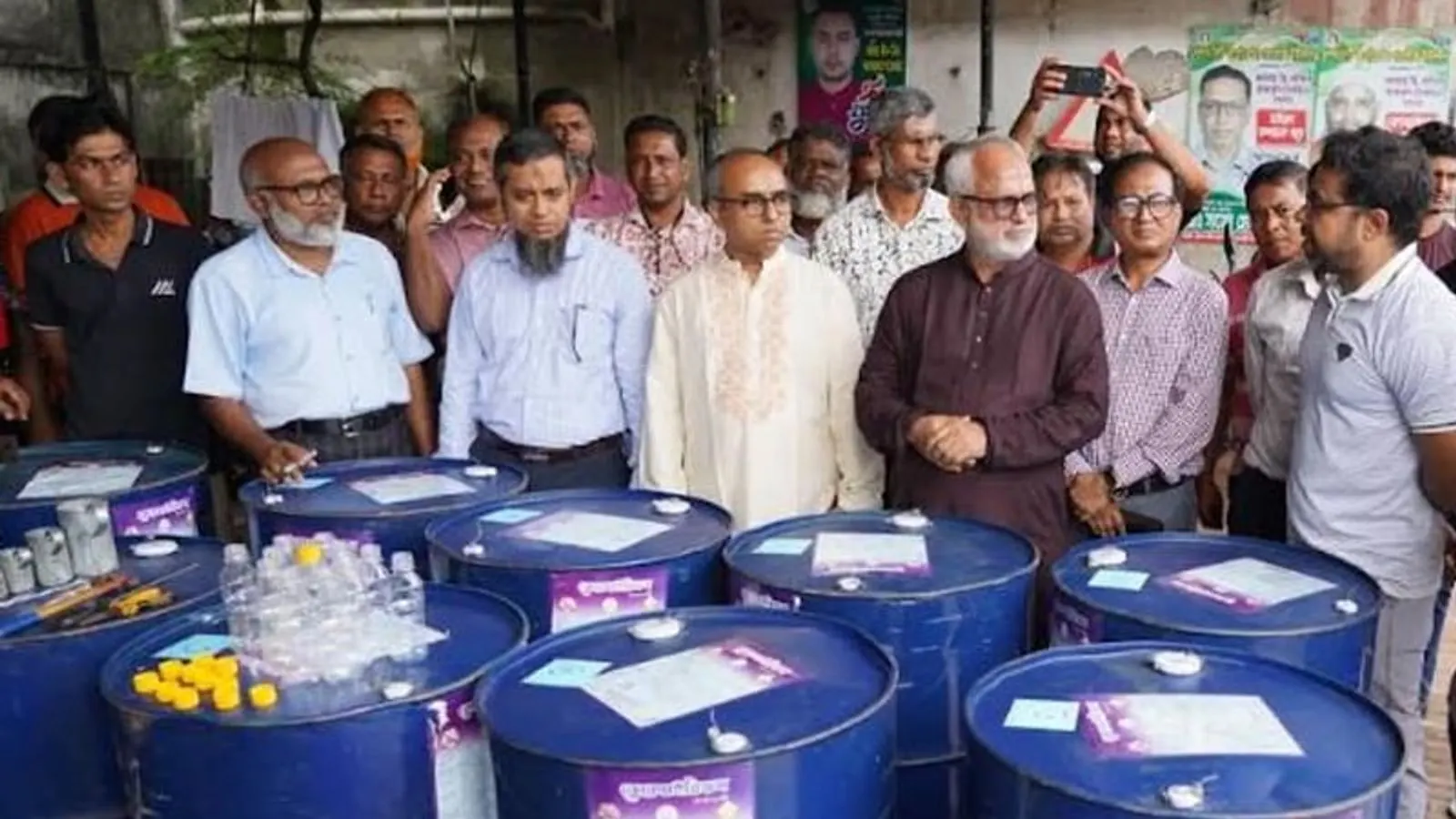
Authorities in Khulna, Bangladesh, have encountered a significant setback in their vector control efforts after a newly acquired consignment of mosquito eradication chemicals failed to pass mandatory initial quality assessments. The municipal administration of the Khulna City Corporation (KCC) ordered the complete rejection and return of the newly imported insecticides following unsatisfactory results during experimental field trials conducted within the city limits.
As part of the municipal authority's ongoing campaign to curb insect-borne health hazards across all 31 administrative wards of the city, a substantial procurement of pest control supplies had been executed. This official purchase order specifically included three thousand litres of adulticides, designed to target mature flying mosquitoes, alongside an additional two thousand litres of larvicides, meant to neutralize mosquito breeding at the aquatic stage.
To ensure proper deployment and coverage throughout the urban area, the municipal body has deployed a total of 155 dedicated workers tasked with applying the chemicals across the different neighborhoods. However, during the preliminary testing phase designed to measure the efficacy of the newly acquired batches, the chemical agents demonstrated an unacceptable failure rate in eliminating the target insect populations under controlled observation.
According to the established operational standards for public health pesticides, the vast majority of mosquito larvae are expected to perish within a time frame ranging from twenty-four to seventy-two hours following initial application. Despite allowing a full observation window of forty-eight hours during the controlled testing procedure, the new larvicide batch failed to successfully eradicate even fifteen percent of the targeted mosquito larvae.
In response to these disappointing laboratory and field findings, KCC Administrator Nazrul Islam Manju intervened directly to address the procurement failure. Highlighting the substandard performance during the testing phase, the administrator officially ordered that the entire shipment of ineffective chemicals be immediately returned to the supplier without delay.
Furthermore, Administrator Nazrul Islam Manju has issued strict directives to relevant departmental officials to urgently explore procurement pathways for acquiring higher-quality, potent mosquito control products. To ensure future purchases meet necessary scientific standards and effectively safeguard public health, municipal authorities have also been instructed to actively seek technical assistance and collaboration from qualified entomologists.