Islamic University Plans to Convert Vacant Quarters Into Student Housing
Islamic University authorities in Kushtia-Jhenaidah have revealed plans to transform vacant teacher and staff residential quarters into student housing. The initiative comes as buildings remain unoccupied due to high government-set house rent and inadequate facilities.
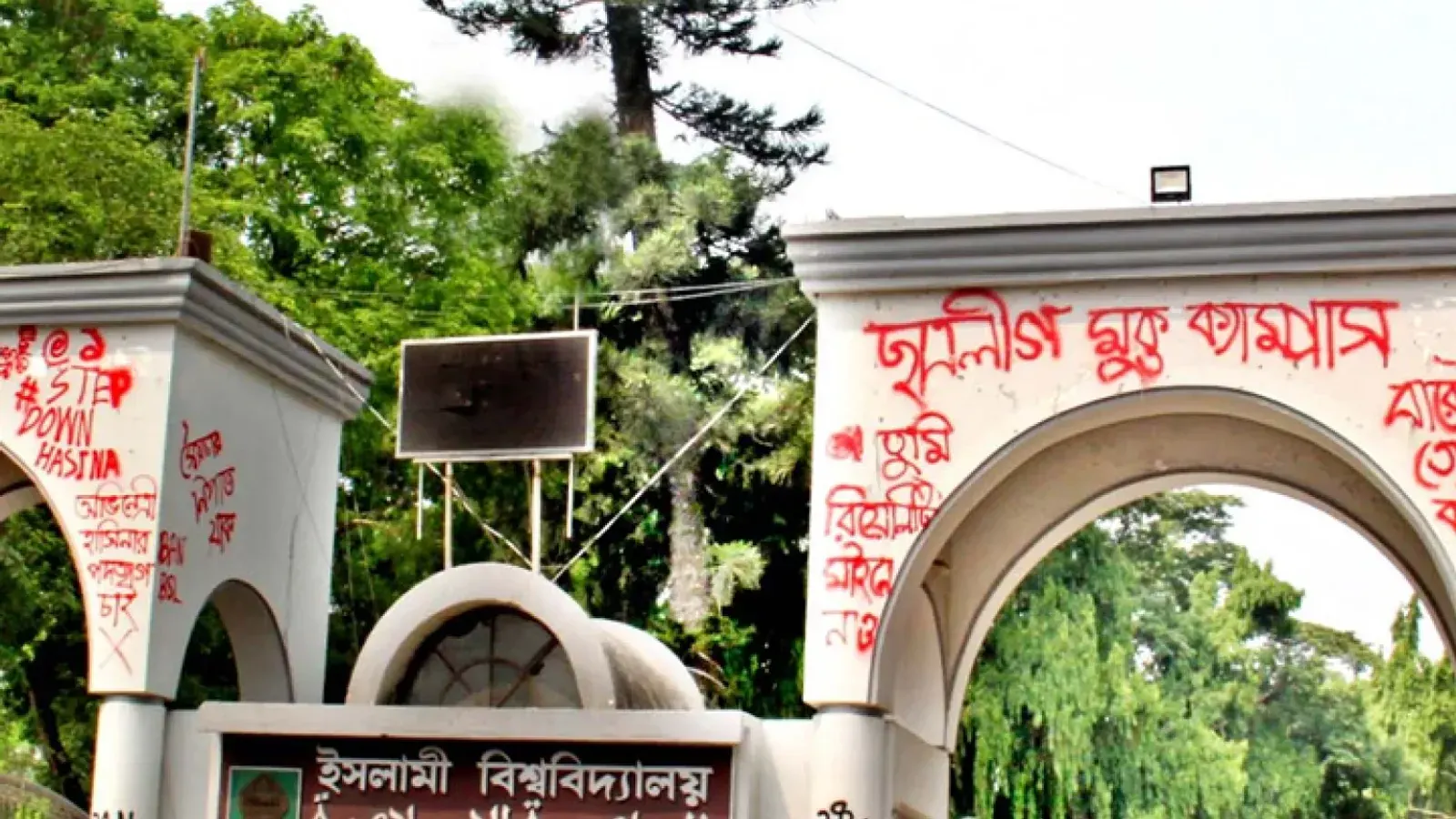
In an exchange meeting held with journalists on August 25 at Islamic University, located in the Kushtia-Jhenaidah region, the administration addressed pressing campus infrastructure issues. During the gathering, Vice-Chancellor Professor Dr. Emtaz Hossain, alongside Professor Dr. Idris Ali, informed reporters about the current status of the university's residential quarters designated for teachers and officials.
According to the administration, the residential quarters intended for faculty members and administrative officials have remained largely vacant. Officials explained that the primary reasons for this low occupancy rate are the high house rents established by the government, combined with a lack of adequate residential facilities within the buildings.
The university authorities further noted that because these residential buildings have been left largely unoccupied, the structures have become vulnerable. The lack of regular use and supervision has left the buildings unprotected, resulting in ongoing security issues including theft and various forms of structural damage to the properties.
In response to these challenges, the university has formulated a proposal to address the shortage of accommodation on campus. The administration announced plans to convert these unused and vulnerable teacher and staff quarters into residential housing specifically for female students.
However, the implementation of this housing conversion plan is contingent upon official administrative steps. University representatives stated that the initiative to transform the quarters into student dormitories will proceed officially once guidelines are received from the government.
The meeting was attended by university officials and members of the local campus press corps, including representatives from the Islamic University Journalists' Association, Islamic University Press Club, and Islamic University Reporters' Unity. Among the student journalists present at the discussions were Jewel Rana, Abir Hossain, Nazmul Hossain, Sakib Aslam, and Rabiul Alam.