
Indian School Children Launch Protests Over Crumbling Infrastructure
Students across India are demanding better school facilities, including new buildings, electricity, and clean water. The protests follow years of neglected infrastructure in government-run educational institutions.

School children in India have launched widespread protests demanding better school infrastructure and facilities. The demonstrations highlight severe deficiencies in the educational system, with students stepping forward to voice their urgent concerns regarding safety, basic amenities, and academic resources in government-run institutions across the country.
The movement gained prominent attention following specific events in Samuhi Bhatpurwa village, located in Uttar Pradesh. Students at the government-run primary school in Samuhi Bhatpurwa village held a protest on August 22 demanding a new school building after a wall collapse injured a student in 2023. At this 122-student institution, the hazardous conditions have created an atmosphere of constant anxiety among the attendees.
Reflecting the widespread dread among students, a young student named Priya shared her perspective on the precarious situation. Priya stated, "I am happy. We will get a new building. We (the children) dread the school building would one day fall. Its condition is poor." Priya further explained the psychological toll of the environment, adding, "The fear does not let us concentrate on our studies. That is why we all protested." Following the demonstration, block education officer Deepak Awasthi assured the children that a new building would be constructed.
The unrest in Samuhi Bhatpurwa village is part of a much broader national phenomenon. Children in at least 10 Indian states have launched similar protests in schools since late July over crumbling infrastructure. This wave of student activism addresses systemic issues within a massive educational network where 247 million students are taught in 1.5 million schools in India. Furthermore, 70 percent of Indian schools are run by federal, state or local governments, highlighting the massive scale of public responsibility for these failing facilities.
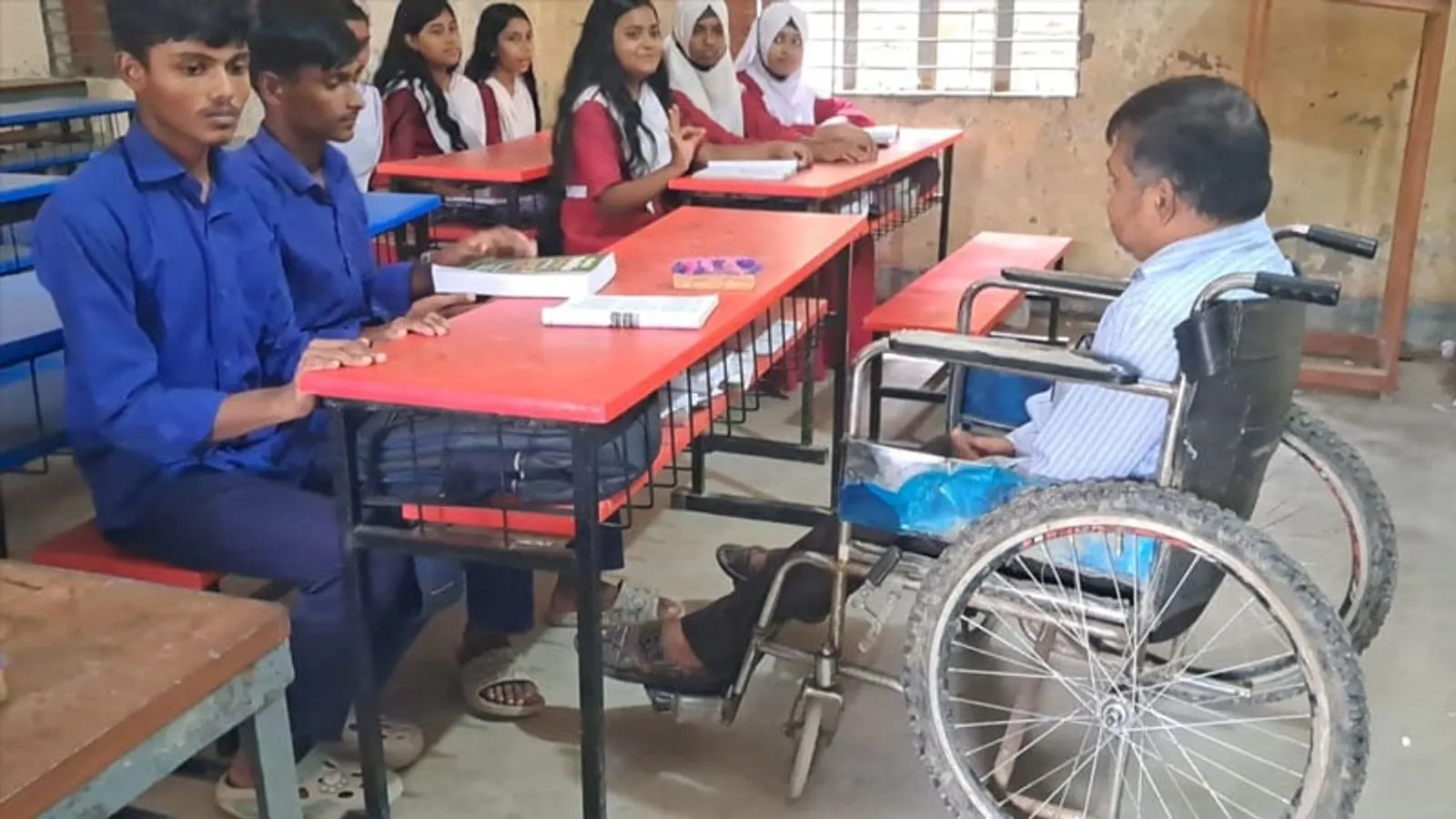
Detailing the daily hardships faced by pupils, a student named Manoj described the severe lack of basic amenities. Manoj stated, "No one can imagine how difficult it is for us to study in the school. There is no electricity, so no fans during the hot and humid summers. We don’t have a drinking water facility. Many students sit on the floor because we don’t have enough benches. So we decided to protest." These conditions underscore the profound daily challenges confronting children within the public education system.
Addressing the root causes of the protests, Nagasimha Rao emphasized the legitimacy of the children's actions and the systemic failures involved. Nagasimha Rao noted, "The children are demanding their rights. They want teachers, benches, school buildings, drinking water, electricity and toilets." Rao added, "Unfortunately, for a long time, the basic infrastructure and manpower to run schools have been missing. It is the story of most government-run schools across the country." Raising a critical equity concern, Rao asked, "Is it because poor children study in these schools?" Official audits from 2025-2026 indicate there is one teacher for every 24 students, yet fundamental infrastructure remains absent. The political fallout from youth-led agitation has already reached high levels, as Education Minister Dharmendra Pradhan resigned following earlier Gen Z protests.