
Hundreds of Research Papers by Bangladeshi Academics Retracted
International journals have pulled at least 325 research papers authored by Bangladeshi researchers between 2019 and June 2026. The widespread retractions span critical scientific disciplines and involve scholars from multiple public and private universities.
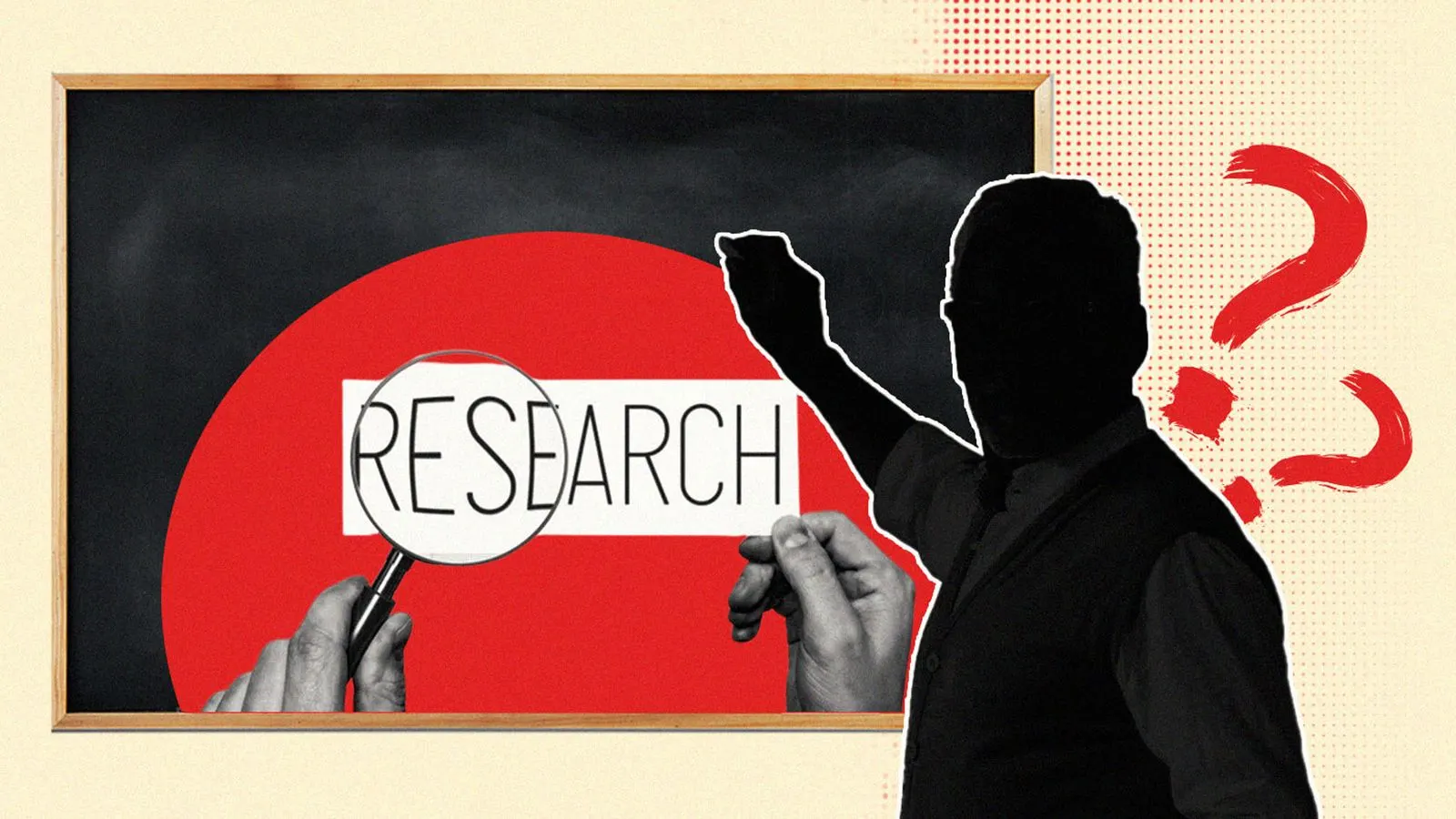
In a troubling development for the academic community in Bangladesh, international journals have retracted at least 325 research papers authored by local researchers. This sweeping wave of retractions occurred over a seven-year period, specifically spanning between 2019 and June 2026, casting a shadow over the country's higher education sector.
The invalidated publications cover a wide range of vital scientific and academic fields. According to the available records, the affected research touches upon highly sensitive and specialized areas such as nanomedicine, cancer research, and environmental studies, potentially impacting ongoing scientific literature and public understanding in these critical domains.
A broad spectrum of higher education institutions has been implicated in this unprecedented academic crisis. Researchers and faculty members from several prominent public institutions—including Dhaka University, Rajshahi University, Chittagong University, and Noakhali Science and Technology University—were involved, alongside representatives from various private universities across the country.
Investigations into the removed publications have revealed multiple serious violations of academic integrity and publishing standards. The primary reasons cited for these international journal retractions include data fabrication, extensive plagiarism, calculated peer review manipulation, unauthorized duplicate submissions, and the alarming reliance on commercial paper mills.
This ongoing scrutiny highlights significant vulnerabilities in the research output and oversight mechanisms within Bangladesh's academic institutions. As international academic watchdogs and publishers continue to monitor integrity standards, the fallout from these mass retractions demands urgent institutional reflection and stronger regulatory measures from relevant educational authorities in the country.