
Hot Weather Halts Sea Lettuce Growth in Jersey's St Aubin's Bay
Unusually high temperatures and agricultural practices have disrupted sea lettuce reproduction in St Aubin's Bay. Zero sea lettuce has been collected from the beach so far in 2026 following a record-breaking hot May day.
বিজ্ঞাপন

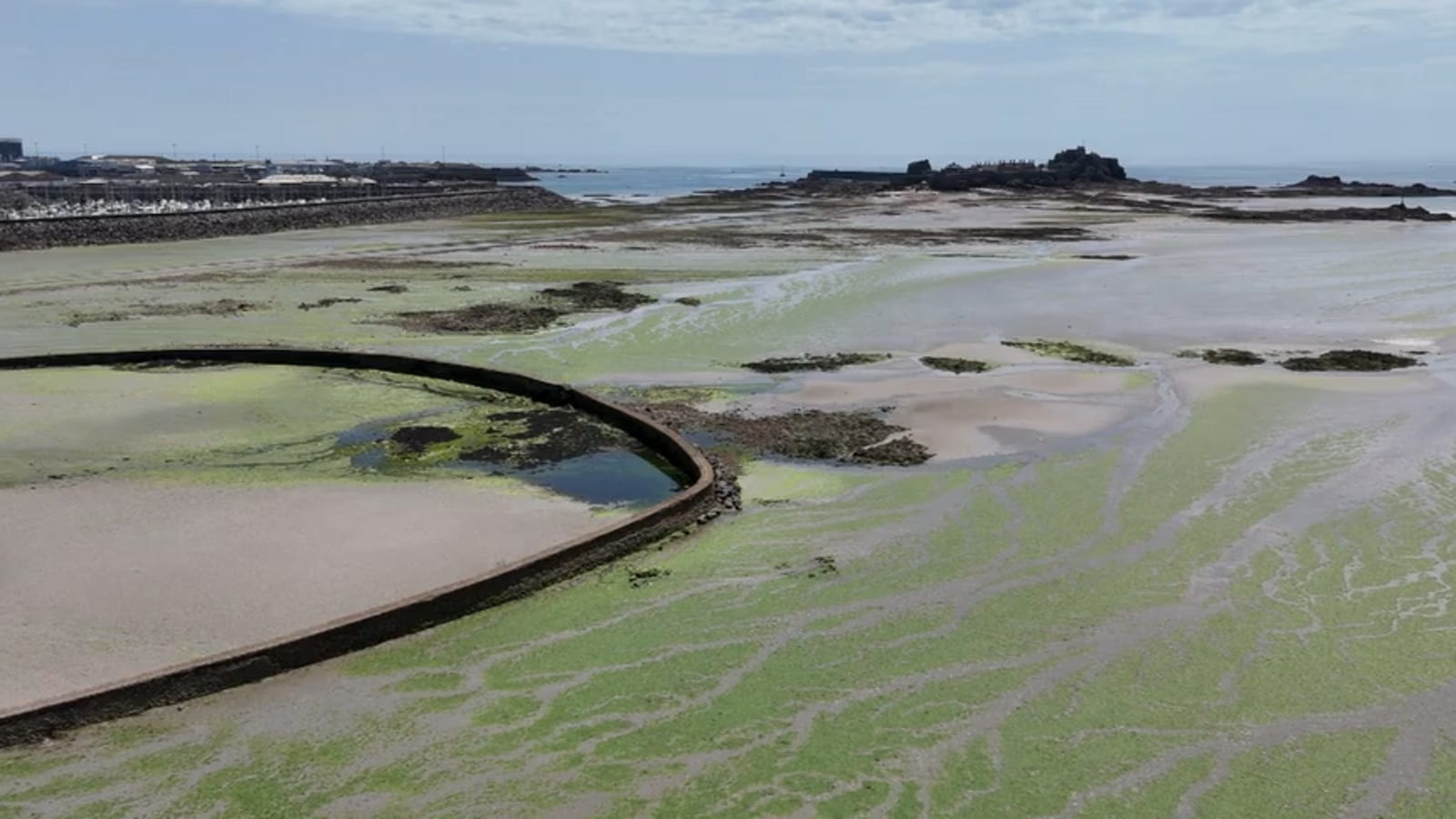
St Aubin's Bay in Jersey has experienced a complete absence of sea lettuce growth so far in 2026, marking a significant departure from previous years. According to local authorities and environmental bodies, including the Environment Department, the Action for Cleaner Water group, Jersey Water, and BBC Jersey, no sea lettuce has been collected from the bay's shoreline during this period.
The lack of growth has been linked directly to extreme weather conditions and agricultural practices affecting the local marine environment. Official records show that Jersey recorded its hottest May day ever this year, with temperatures soaring to 29.2C, which is equivalent to 84.5F.
An Environment Department spokesperson explained the biological timing behind the phenomenon, stating that sea lettuce mainly reproduces in May. The spokesperson further noted that the unusually high temperatures experienced during that period were likely to have disrupted its normal growth and reproduction.
This current absence of the green macroalgae stands in sharp contrast to the conditions observed during the previous year. In 2025, almost 3,000 meters squared—specifically 3,000m sq (32,300ft sq)—of sea lettuce was taken from the beach and subsequently used on the island's agricultural fields.
The dramatic shift in St Aubin's Bay highlights the direct environmental impact of extreme meteorological events on coastal ecosystems. As monitoring continues throughout 2026, experts are closely observing how these record temperatures and ongoing agricultural practices will continue to influence Jersey's marine habitats.
Source: BBC Science
বিজ্ঞাপন