
Government Approves Ninth National Pay Scale With Substantial Increases
Prime Minister Tarique Rahman chaired a cabinet meeting at the Secretariat where the new ninth national pay scale was approved. The newly authorized salary structure, featuring increases ranging from 100 to 142 percent across different grades, is set to take effect starting July 1.
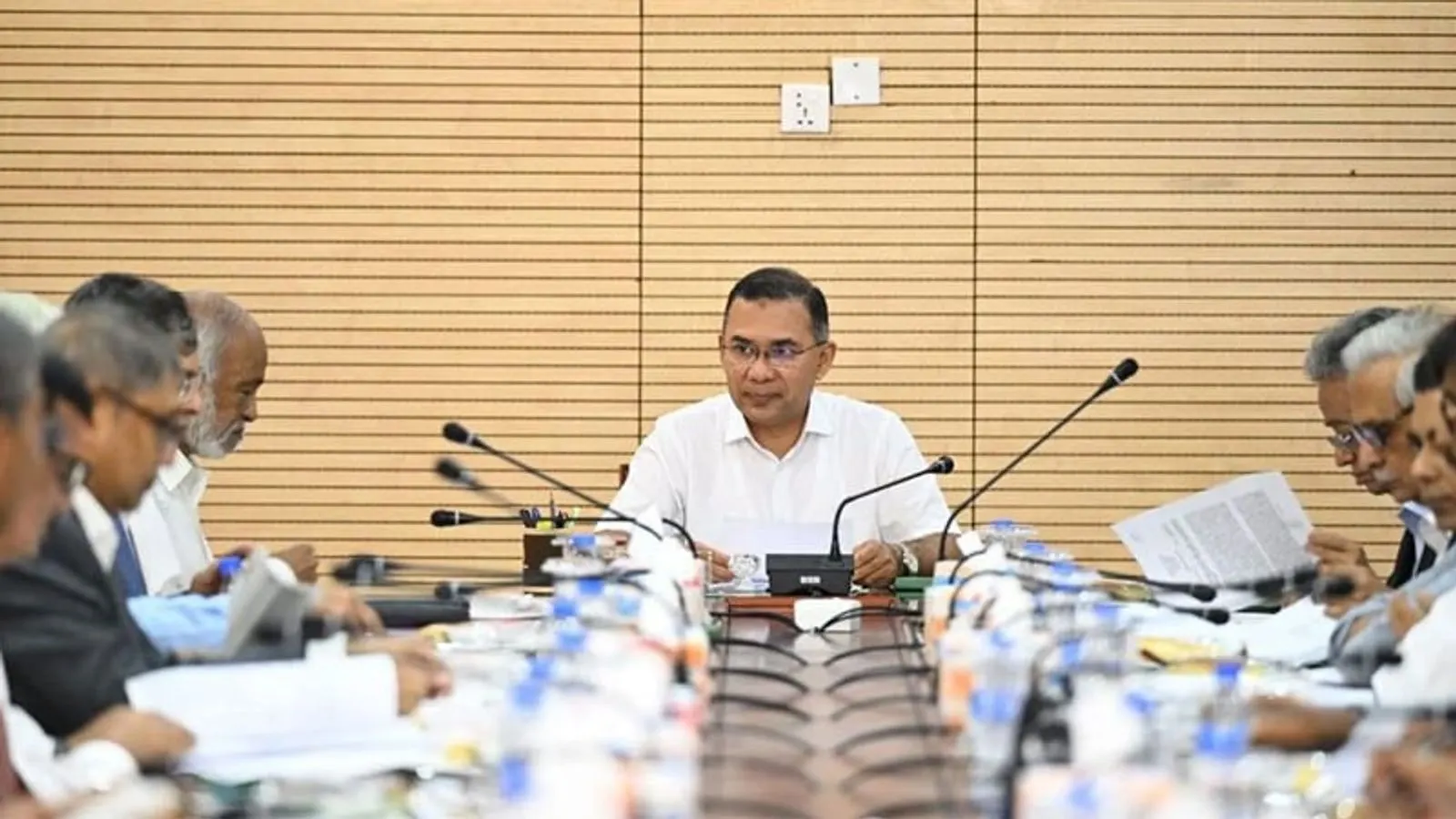
The government has officially approved the ninth national pay scale, bringing sweeping adjustments to the compensation structure for state employees. The significant policy decision was finalized during a cabinet meeting held at the Secretariat. Prime Minister Tarique Rahman presided over the high-level session, which greenlit the comprehensive financial updates designed to reshape the public sector remuneration framework.
Under the newly endorsed framework, substantial percentage increases have been implemented across the board. Specifically, the lowest grade within the administrative tiers has received a massive 142 percent salary increase, significantly boosting compensation for entry-level personnel. Meanwhile, the highest grade has experienced a substantial 100 percent increase in basic pay, aligning top-tier public service compensation with the newly established economic parameters of the ninth pay scale.
Specific details regarding the basic salary adjustments illustrate the broad financial impact of the new structure. For the 20th grade, which represents the lowest tier, the basic salary has surged from 8,250 taka to a new total of 20,000 taka. Moving up the administrative ladder, the basic salary for the ninth grade has doubled, rising from 22,000 taka to 44,000 taka under the newly minted provisions.
At the apex of the standard administrative hierarchy, the first grade has also seen a dramatic upward revision. The basic salary for positions categorized under the first grade has increased from 78,000 taka to 1,56,000 taka, effectively doubling the previous baseline compensation for top-tier civil servants and officials operating at the highest levels of government administration.
In addition to the standard civil service adjustments, the cabinet decisions also addressed national defense personnel. Alongside the general framework, a separate and distinct salary structure has been officially approved specifically for the armed forces, tailoring the compensation updates to meet the unique operational requirements of military personnel.
The newly approved ninth national pay scale and the dedicated armed forces salary structure are scheduled to be implemented imminently. According to the official announcements emerging from the Secretariat following the cabinet meeting, the revised pay scales will officially take effect starting from July 1.