Dengue Surge in Khulna Division Claims Two More Lives
A sharp dengue outbreak surge in Bangladesh's Khulna division has led to two additional deaths and 75 new hospital admissions in the past 24 hours. Major medical facilities are facing severe overcrowding as the total number of patients admitted since January 1 reaches 3,191.
A severe dengue outbreak is surging across the Khulna division in Bangladesh, resulting in two more deaths and 75 new hospital admissions reported in the past 24 hours. According to the latest data released on August 15, 2026, the ongoing crisis has brought the cumulative total of dengue patients admitted since January 1 to 3,191. Out of these total admissions, 2,777 individuals have successfully recovered and been discharged from medical facilities, while 365 patients are currently undergoing active treatment. Furthermore, 37 patients have been referred to other hospitals for specialized care.
The recent 24-hour window saw new hospital admissions distributed across various districts within the region, with 40 new admissions recorded in Khulna district, 28 in Bagerhat, 4 in Narail, 2 in Meherpur, and 1 in Kushtia. Institutionally, 53 of the newly admitted patients were taken to government-run hospitals, while 22 patients sought care at private medical facilities. The broader picture of the outbreak includes a total of 12 deaths recorded in the region, comprised of 9 deaths at Khulna Medical College Hospital, 2 deaths originating from Khulna district, and 1 death from Bagerhat. Between August 8 and August 13 alone, a staggering 506 patients were admitted.
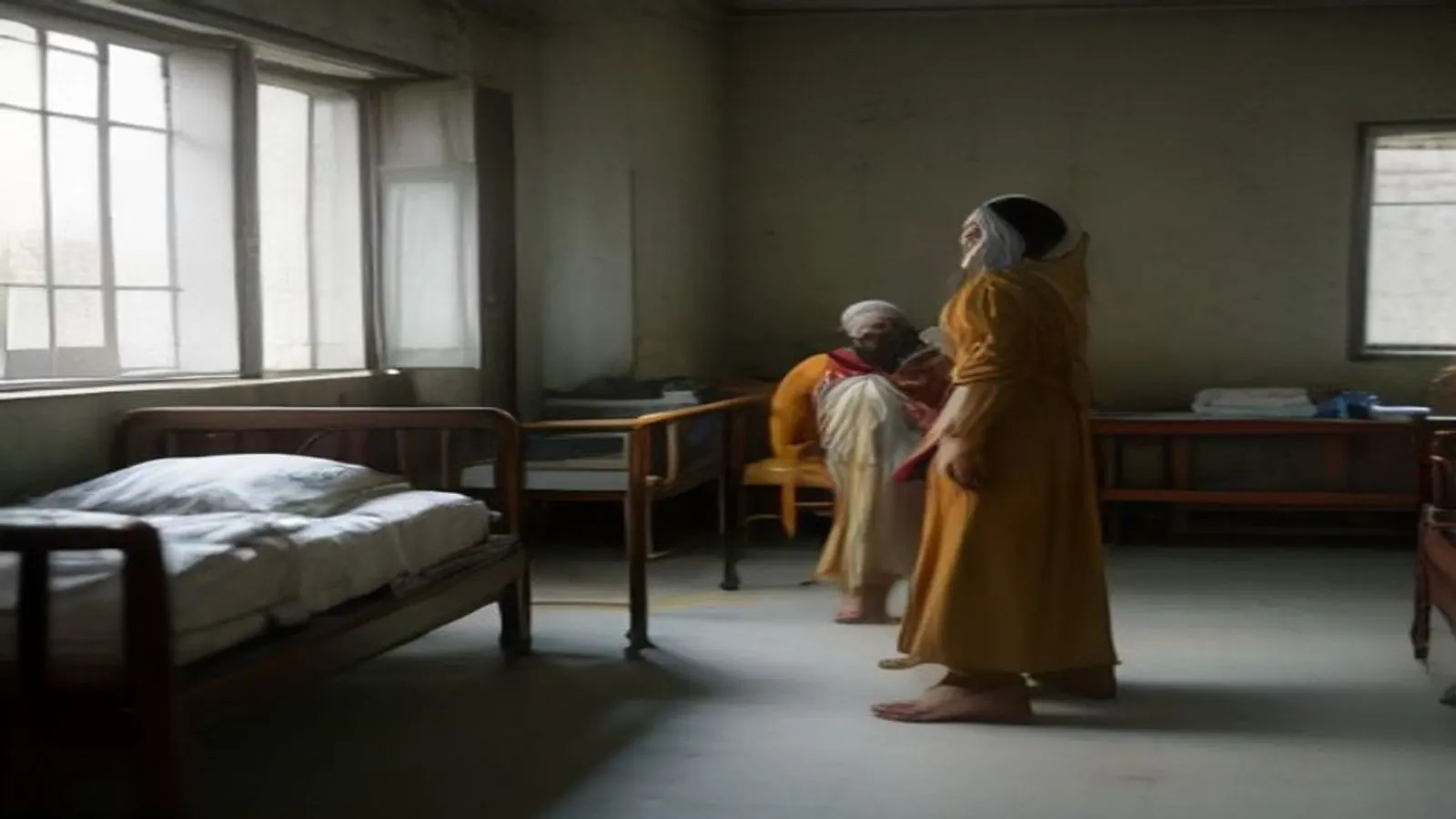
Medical facilities across the division are facing severe overcrowding as patient numbers heavily outpace institutional capacities. At Khulna General Hospital, where only 25 beds are officially allocated for dengue patients, a total of 61 patients were receiving treatment, contributing to an overall patient load of 162 individuals admitted against a capacity of 110 beds. Dr Rafiqul Islam Gazi noted the immense pressure on staff, stating, "About 80 percent of the patients coming to our outpatient department are suffering from fever." Meanwhile, Khulna Medical College Hospital treated 113 dengue patients against its designated 40 beds. At Khulna City Medical College Hospital, all 15 beds in the dengue ward were occupied, forcing the hospital to convert 19 cabins for dengue treatment, though about 10 patients were still turned away due to no available beds.
Patients and their families are bearing heavy financial and physical tolls as they navigate the outbreak. Tanvir Sohel, a patient, shared the unexpected nature of the infection, stating, "I regularly slept under a mosquito net and used mosquito repellent. But I still don't understand how I got infected," noting that he had spent Tk 13,000 on medicines alone. Another patient, Mouli Mallik, described the diagnostic process, saying, "Doctors conducted tests to determine whether I had typhoid or any other illness with similar symptoms. Later, it was confirmed that I had dengue." Dipankar Roy, Md Mosharraf Hossain, and Mostafa Kamal were also noted among individuals tracking or responding to the unfolding situation in the division.
Hospital administrators and local figures are actively managing the crisis response and preparing for further escalations in patient volumes. Md Akhtaruzzaman outlined contingency plans, stating, "If the number of patients increases further, we are prepared to open a separate dengue unit at the emergency department on the ground floor." Following hospital inspections, Nazrul Islam Monju expressed deep concern over the scarcity of space, remarking, "We were shocked to see the situation after visiting several hospitals. Except at the medical college hospital, there are no vacant beds in any hospital."
In response to the escalating health emergency, the Khulna City Corporation has stepped up local municipal interventions. Authorities have implemented targeted mosquito-control drives, widespread fogging operations, and community awareness campaigns across the 31 wards, which have been divided into three zones to systematically combat the mosquito vector and curb the ongoing surge.